
Home surveys explained: Which type do you need before buying a house?
Before buying a property, a home survey reveals hidden issues — from structural defects to damp and subsidence. Here’s what each survey level covers and what it costs.
3 mins read
04-08-2026
Written by

Editorial Team
Similar Guides


Understanding home surveys: the buyer’s guide
A property survey might not be the most exciting part of home buying, but it’s one of the smartest investments you can make. While conveyancing checks cover legal issues, a home survey looks at the physical condition of the property — helping you avoid costly surprises later.
What is a home survey?
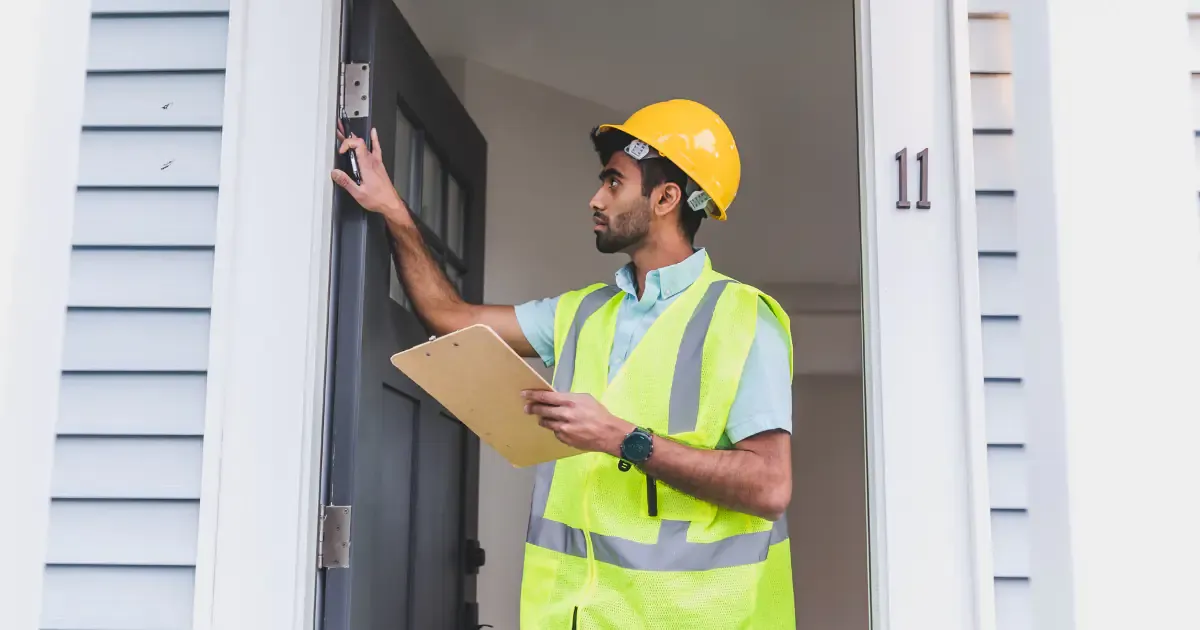
A home survey is an independent inspection carried out by a qualified surveyor, typically a RICS (Royal Institution of Chartered Surveyors) member. The surveyor inspects the building’s structure, materials, and overall condition, then reports any defects or concerns.
It’s not the same as a mortgage valuation. A valuation only tells your lender what the property is worth — not whether it’s in good condition.
The three main RICS survey levels
RICS Level 1: Condition report
- The most basic (and cheapest) survey.
- Summarises the property’s overall condition.
- Suitable for modern homes in good condition.
Cost: £250–£400
RICS Level 2: Homebuyer report
- The most common survey type for UK buyers.
- Identifies visible defects such as damp, roof damage, or cracks.
- Includes advice on repairs and maintenance.
- Available with or without valuation.
Cost: £400–£800
RICS Level 3: Building (structural) survey
- The most detailed and comprehensive inspection.
- Recommended for older, unusual, or extensively altered homes.
- Includes analysis of materials, structure, and estimated repair costs.
Cost: £700–£1,500+
💡Pro tip: Always match the survey level to the property’s age and condition — not its price.
How long surveys take
Most surveys are completed within a few hours, with reports issued in 3–7 days. Building surveys may take longer depending on property size.
What surveyors look for
- Damp and mould
- Roof structure and tiles
- Plumbing and electrical systems
- Timber condition (rot or infestation)
- Walls, floors, and foundation stability
- Evidence of movement or subsidence
Surveyors use a traffic-light system (green, amber, red) to rate condition severity.
Why surveys matter
1. Negotiation leverage:
If the survey reveals problems, you can renegotiate or request repairs.
2. Peace of mind:
You’ll understand what you’re buying and can plan maintenance.
3. Insurance and mortgage approval:
Major structural issues can affect both — it’s better to know upfront.
Typical survey costs
Survey type | Cost range | Best for |
|---|---|---|
RICS Level 1 | £250–£400 | New builds, modern homes |
RICS Level 2 | £400–£800 | Most standard homes |
RICS Level 3 | £700–£1,500 | Older or unusual homes |
Once your survey is complete, our guide to reading your home survey report explains how to interpret the findings and what to do next.
Final thoughts
A home survey is an essential part of buying safely and smartly. It might feel like an extra cost now, but it can save thousands later by revealing hidden defects.
Always choose a RICS-accredited surveyor with relevant experience in your area and ask to see a sample report before booking.
🔍Use our surveyor’s comparison tool to find RICS surveyors near you.

FAQs
Related Guides

The complete guide to property surveys
15 mins read