Credit scores for house hunters: Your complete guide to getting mortgage-ready
Planning to buy a home? Your credit score plays a huge role in whether you’ll get approved, and at what rate.
5 mins read
04-08-2026


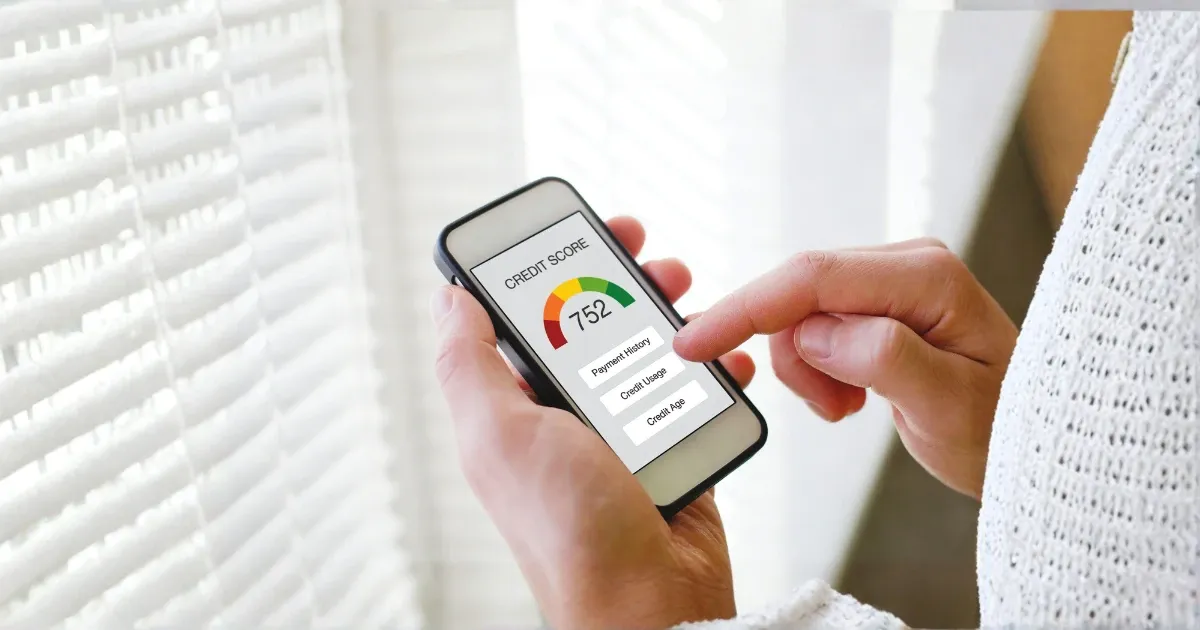
Planning to buy a home? Your credit score plays a huge role in whether you’ll get approved, and at what rate. In the UK, lenders use your credit history to decide how much to lend and what interest rate to offer. A few small improvements before applying could save you thousands in interest over your mortgage term.
Here’s how to check, understand, and improve your credit score before house hunting in 2026.
What is a credit score and why it matters
Think of your credit score as your financial CV — it's what mortgage lenders look at first when you apply for a home loan. This three-digit number tells lenders how reliable you are with money and whether they should trust you with a mortgage.
Everyone over the age of eighteen in the UK gets a credit score, and it's based on your borrowing history. Pay your bills on time? Your score goes up. Miss payments or max out credit cards? It takes a hit.
The bottom line: When you’re in the market for a new home, a good credit score means better mortgage rates and higher borrowing limits. A poor one could mean rejection or sky-high interest rates that cost you thousands.
And before you focus on the number itself, it's worth understanding what's actually in your credit report.
How credit scores impact mortgage rates and more
Your credit score affects more than just mortgages. When you're moving, it impacts:
- Mortgage applications: the big one! Better scores = better rates.
- Rental applications: Many landlords now run credit checks.
- Utility connections: Some providers check credit before connecting services like gas, electricity, or internet.
Real-life example of how a higher score saves you money: imagine Sarah improved her credit score from 650 to 720 before house hunting. She could save £89 per month on her mortgage — that's over £32,000 across the life of her loan.
How credit scores work in the UK
In the UK, there are three main agencies that hold your credit information:
Experian, Equifax & TransUnion explained
Agency | Score Range | Good Score | Excellent Score |
|---|---|---|---|
Experian | 0-999 | 881-960 | 961-999 |
Equifax | 0-700 | 420-465 | 466-700 |
TransUnion | 0-710 | 604-627 | 628-710 |
Each agency scores differently, and each lender has their own secret recipe for decisions. There's no single "credit blacklist" — it's more nuanced than that. That means your score might look very different depending on which agency you check — don’t panic if one seems lower.
👉 Average UK credit scores in 2026: Equifax (383), Experian (759), TransUnion (585).
How to check your credit score for free
Good news, you have the legal right to check your credit report for free. No catches, no hidden fees.
Best free tools in the UK:
- Credit Karma (TransUnion data)
- ClearScore (Equifax data)
- Experian's own app
- MoneySuperMarket Credit Monitor
💡Pro tip: Check all three agencies. Different lenders use different agencies, so you want the full picture before applying for that mortgage.
How to improve your credit score before moving
- 12 weeks before moving: Get your free credit reports from all three agencies.
- 10 weeks before: Fix any errors (this can take time).
- 8 weeks before: Start implementing score-boosting strategies.
- 4 weeks before: Stop applying for new credit.
- During your move: Avoid any major financial changes.
Quick wins you can do today
- Register on the electoral roll at your current address: Adds 50+ points instantly.
- Check for errors: Wrong address or misspelled name? Get them fixed, pronto.
- Close unused accounts: Old shop cards and credit cards you never use.
Smart habits for long-term score growth
- Pay more than minimum on credit cards.
- Keep credit use below 30% (ideally under 10%).
- Set up direct debits for all bills to avoid missed payments.
- Pay off credit cards in full each month if possible.
Strategic moves for better mortgage offers
- Build credit history if you have none (consider a credit builder card).
- Add a Notice of Correction if you've had financial difficulties due to illness or job loss.
- Become financially linked to a partner with good credit (but be careful, their bad credit could hurt you too!).
Common mistakes to avoid during your move
Red flags that can drop your score fast
- Apply for new credit cards or loans
- Miss any payments (even small ones)
- Max out existing credit cards
- Close your oldest credit card (it shortens your credit history)
- Let estate agents run "soft searches" unless necessary
Avoid Dave’s mistake: He applied for three credit cards whilst house hunting to "build his credit". His score dropped 50 points, and his mortgage application was rejected. Timing matters, Dave!
What to do if you have poor credit
Don't panic! Even with poor credit, you still have options:
- Specialist mortgage brokers can find lenders who work with lower scores.
- Larger deposits can offset poor credit (think 25-40% instead of 10%).
- Guarantor mortgages let family members support your application.
- Wait and improve — sometimes delaying 6-12 months to boost your score saves money long-term.
Protecting your credit during and after your move
- Changing address: Update your address with all credit providers immediately after moving. Mismatched addresses on applications raise red flags.
- Joint applications: Moving in with a partner? Decide whether to apply for credit jointly or separately. Joint applications link your credit files permanently.
- Moving costs impact: Large moving expenses can temporarily increase your credit use. Pay down balances quickly after your move.
Fraud prevention tips & credit monitoring
- Set up alerts for any changes to your credit file.
- Check regularly (monthly is best).
- Report fraud immediately if you spot applications you didn't make.
- Keep records of payments and correspondence with creditors.
- Identity theft warning: Moving creates opportunities for mail redirection fraud. Be extra vigilant during this period.
Credit boosting checklist for home buyers
This week:
- Check your credit score with all three agencies (free!).
- Register on the electoral roll if you haven't already.
- Set up direct debits for all bills.
Remember: improving your credit score isn't just about getting approved for a mortgage — it's about getting the best possible deal. A few months of preparation could save you thousands over the life of your loan.
Your dream home is waiting. Make sure your credit score doesn't stand in the way!