What you actually own when you buy a holiday lodge or static caravan
A licence not land, pitch fees of £3,250 to £12,495 a year, and the ten-year sums against bricks.
4 mins read
08-09-2026
Written by

Editorial Team
Similar Guides
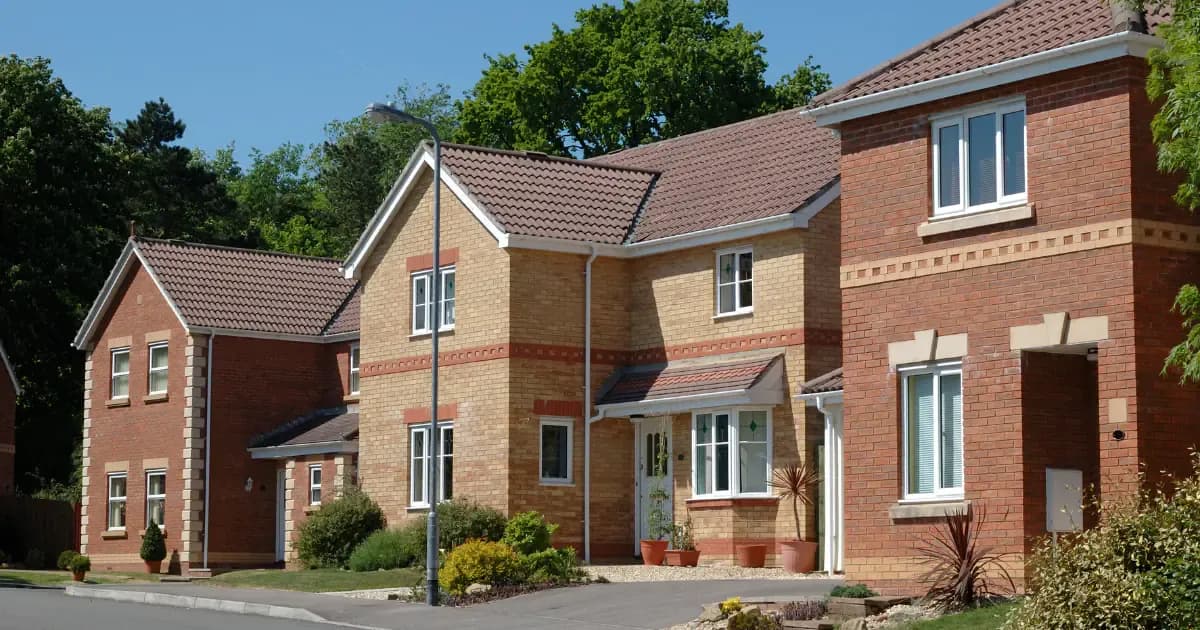
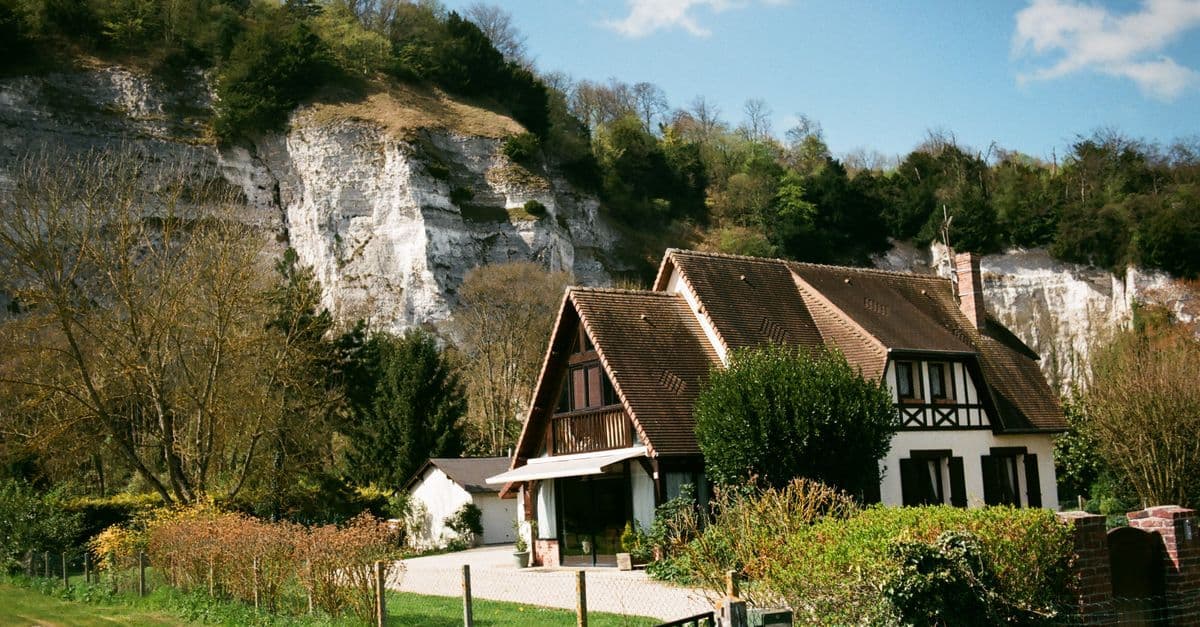
Buy a £45,000 holiday lodge and you own the lodge, not an inch of the ground under it. The pitch comes with a licence agreement, a contract giving you permission to keep the unit there on the park's terms, and that one fact drives everything else: the finance, the fees, the resale value and the legal protection. It is a purchase worth making with clear eyes, because it is not a property purchase at all.
A licence, not land
Residential park homes on protected sites carry legal rights under the Mobile Homes Act 1983, but holiday parks are not protected sites, and the LEASE park homes guidance is direct about the consequence: on a holiday park you have fewer rights, and you cannot live there all year round. How long you can stay depends on the site licence, which is why parks close for weeks each winter or cap occupancy. A lodge cannot be your main home, legally or practically, and a park that hints otherwise is selling you a problem.
No mortgage, no Land Registry, usually no stamp duty
Because there is no land title, nothing is registered at HM Land Registry and no mainstream residential mortgage exists for the purchase. Buyers pay cash or use the park's finance, which works like a car loan: hire purchase style credit, a deposit around 10%, and representative rates far above mortgage rates. HMRC's stamp duty manual treats a caravan as moveable property, a chattel, and a pitch licence as no interest in land, so SDLT does not normally arise in England and Northern Ireland. That sounds like a saving; it is really the receipt confirming you bought a vehicle-class asset.
Depreciation plus pitch fees is the real price
Parks are candid about this when you read their own guidance. Parkdean's cost of ownership pages say a static caravan will depreciate over time like a car and is not a financial investment in the traditional sense, and list 2026 site fees running from £3,250 to £12,495 a year depending on park, before gas, electric and insurance.
So run the ten-year sum on that £45,000 lodge with a mid-range £5,500 pitch fee.
Amount | |
|---|---|
Purchase price | £45,000 |
10 years of pitch fees (£5,500/year) | £55,000 |
Total spent over 10 years | £100,000 |
What's left | An ageing unit worth a fraction of that, sellable mainly back to the park |
Some parks also take a commission on resales and can decline to renew older units' pitches, so read the licence agreement's term and resale clauses before signing anything. Owners sometimes offset the fees by letting the lodge out through the park's own hire scheme, on the park's terms, so ask for real net letting figures rather than the brochure's headline.
Against a bricks holiday home
A £200,000 holiday cottage in England costs real money up front: with the additional-property surcharge the stamp duty alone is £11,500, many councils now charge a second home council tax premium, which we cover in a separate article, and you take on repairs and insurance. But the cottage is land: mortgageable, sellable on the open market to anyone, and historically it holds value rather than shedding it. The lodge buys lower entry cost, zero garden maintenance and a park with a pool; the cottage buys an asset your children might argue over.
Lodge | Cottage | |
|---|---|---|
Upfront cost | £45,000 | £200,000 + £11,500 stamp duty |
Mortgage available | No | Yes |
Registered at HM Land Registry | No | Yes |
Resale market | Park-controlled or approved buyers only | Open market to anyone |
Value over time | Depreciates like a vehicle | Historically holds value |
The honest framing is this: a lodge is a decade of pre-paid holidays with a small residual value, and judged that way it can be perfectly good value against £3,000-a-year holiday spending. Judged as property, it fails every test. If the bricks option is the one that fits, compare conveyancing quotes for a holiday home purchase and price the full buying costs before you fall for either.