
House survey costs in 2026: What should you expect to pay?
Understanding house survey costs is vital to budgeting for your home move. This guide breaks down the latest pricing for RICS Level 1, 2, and 3 surveys to help you make an informed decision and avoid unexpected repair bills.
6 mins read
04-08-2026
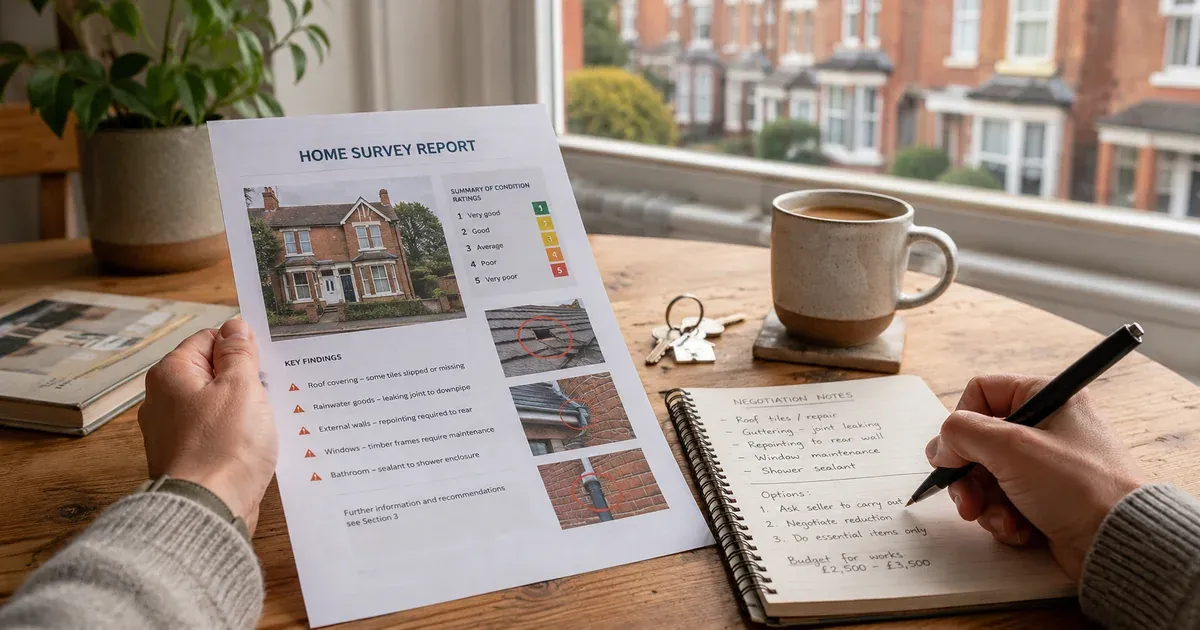

Key takeaways
- Budgeting is essential: House survey costs, in 2026, typically range from £300 to over £1,500 depending on the property value and survey depth.
- Level 2 is the standard: The RICS Level 2 survey remains the most popular choice for conventional homes in reasonable condition.
- Potential savings: A survey can save buyers thousands of pounds by identifying defects before the purchase is finalised.
- Regional variations: Prices in London and the South East remain higher than the national average due to increased demand and property values.
In 2026, the cost of a house survey can vary considerably, but most homebuyers can expect to pay between £300 and £1,500. The final price depends on the level of detail required, the property purchase price, and its location. Basic valuations are cheapest, while comprehensive structural reports cost more.
The Royal Institution of Chartered Surveyors (RICS) provides a framework that most UK surveyors follow. While individual firms set their own fees, the building's complexity is the primary driver of the quote. For a straightforward Level 1 Survey on a modern property, prices typically start from around £300. A Level 2 HomeBuyer Survey, which is the most common choice for buyers in the UK, usually costs between £450 and £750. If you're purchasing an older property, a listed building or a home that requires renovation, you'll likely need a Level 3 Building Survey, where prices generally range from £700 to £1,500 or more.
Survey type | Typical cost | Suitable for |
|---|---|---|
Level 1 Survey | £300 - £500 | Newer homes in good condition |
Level 2 Homebuyer Survey | £450 - £750 | Most standard residential properties |
Level 3 Building Survey | £700 - £1,500+ | Older, larger or non-standard homes |
It is important to remember that a mortgage valuation is not a survey. A valuation is for the lender's benefit, to ensure the property is worth the loan amount. A survey is for your benefit, providing a detailed look at the building's condition. Investing in a professional survey allows you to negotiate the price if significant issues are found, such as damp, subsidence, or roof problems.
Looking for the best price? Compare quotes from trusted RICS surveyors and find the right survey for your property.
Why do survey prices vary?
There's no fixed price for a house survey because every property is different. A surveyor's fee reflects the amount of time needed to inspect the property, assess its condition and prepare a detailed report.
One of the biggest influences is the property's value and size. Larger homes naturally take longer to inspect than smaller flats, while higher-value properties often require more detailed reporting. The age of the building also plays an important role. Older homes frequently contain features that require closer examination, such as traditional construction methods, ageing roofs or signs of movement that simply aren't present in newer properties.
Property value | Level 1 | Level 2 | Level 3 |
|---|---|---|---|
Up to £250,000 | £300–£400 | £450–£550 | £700–£900 |
£250,001–£500,000 | £350–£500 | £500–£700 | £800–£1,100 |
£500,001–£750,000 | £400–£550 | £600–£850 | £900–£1,300 |
£750,001–£1m | £450–£650 | £700–£950 | £1,100–£1,500 |
£1m+ | From £600 | From £900 | From £1,500 |
Surveyors often use the purchase price as a baseline for their quotes because higher value properties carry more professional indemnity risk. A period property with timber framing or thatched roofing will also command a higher fee than a modern brick build. This is because the surveyor needs specialist knowledge to assess traditional construction methods and potential defects unique to those structures.
Location can also affect pricing. Surveyors operating in London and the South East typically charge more than those elsewhere in the UK, reflecting higher operating costs and demand. If you need your survey completed urgently, you may also pay a premium for a fast-track appointment.
Ultimately, while price is important, it shouldn't be the only deciding factor. Choosing an experienced surveyor who provides a thorough report can offer far greater value than simply opting for the lowest quote.
Pro tip: Always check whether your surveyor is RICS-regulated. This ensures they follow the Home Survey Standard and provides you with a clear path for redress if the survey misses a major issue.
Which house survey to choose?
The right survey depends less on your budget and more on the property you're buying. Paying slightly more for the correct survey could prevent expensive surprises after you've moved in.
- A Level 1 Survey provides a basic overview of the property's condition. It's generally suitable for new-build properties, modern flats, recently built homes or properties with no obvious defects. It highlights significant issues but doesn't investigate them in detail.
- A Level 2 Survey is the most popular option for UK homebuyers. It includes external and internal inspection, condition ratings, identification of visible defects, advice on repairs, and maintenance recommendations. It's ideal for houses built after around 1900, standard construction homes or properties that appear to be in reasonable condition.
- A Level 3 Survey is the most comprehensive inspection available. It includes a detailed structural assessment, from construction analysis to roof space inspection (where accessible), with advice on repair, future maintenance guidance and potential causes of defects. This survey is recommended for listed buildings, period properties, homes over 100 years old, timber-framed properties, homes that have been heavily altered, or properties needing renovation. Although it's the most expensive survey, it often provides the greatest value when buying an older home.
Still unsure between a Level 2 or Level 3 survey? Read our guide on RICS Level 2 or 3 surveys to help with your decision.
Why should you invest in a professional house survey?
Investing in a house survey protects your financial future by identifying hidden defects that could cost thousands to repair. It provides an independent expert opinion that can be used to renegotiate the purchase price or request repairs.
Many buyers who skip a survey end up facing unexpected repair bills shortly after moving in.
Common issues like rising damp, woodworm, or structural cracks are not always visible to the untrained eye during a standard viewing. By commissioning a survey, you gain a clear understanding of what you are buying.
Beyond the financial aspect, a survey offers peace of mind. Knowing that a professional has checked the chimney stacks, the roof integrity, and the drainage systems allows you to move into your new home with confidence. If you are also arranging conveyancing or removals, a survey is a critical piece of the puzzle that ensures your entire move stays on track. You can explore our home surveys explained section for a deeper look at the process.
Get survey quotes from trusted professionals
Finding the right survey doesn't need to be complicated. At Moving Compared, we help you compare quotes from trusted, experienced surveyors so you can choose the right inspection at a competitive price.
Whether you need a straightforward HomeBuyer Survey or a comprehensive Building Survey, comparing quotes can help you find excellent value without compromising on quality.
Summary
A house survey is an essential investment for any property purchase in 2026. While costs vary by survey level and property type, the protection it offers against hidden defects far outweighs the initial fee. Whether you choose a Level 2 for a modern home or a Level 3 for a period property, having an expert report in your hands is a vital step in the moving process.
Ready to find an expert for your move? Get an instant house survey quote today and move with confidence.
Financial disclaimer: This guide is an informational piece and does not constitute financial advice. For specific mortgage or financial guidance, you should consult a qualified financial adviser.
FAQs
Related Guides
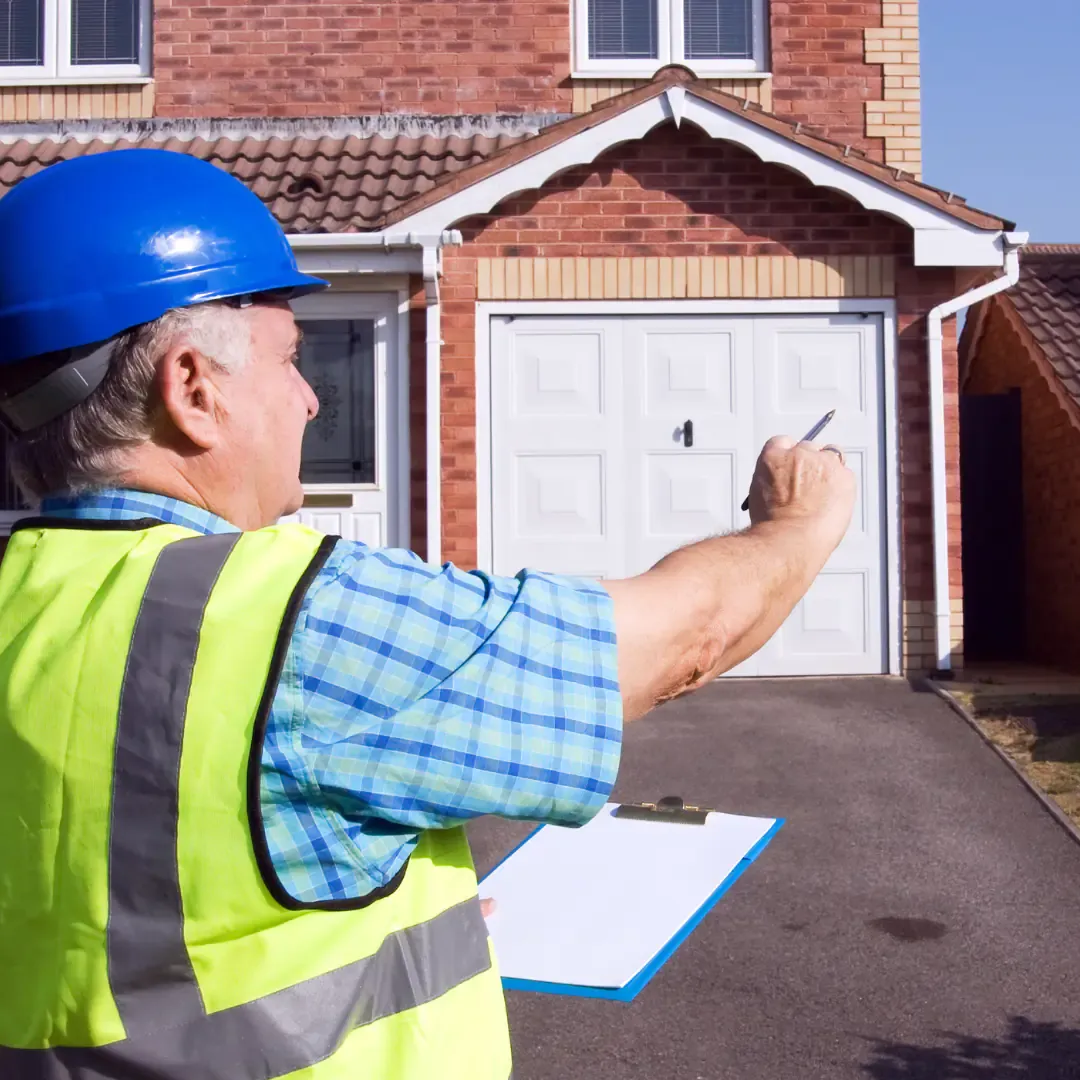
RICS Level 1 surveys explained
5 mins read
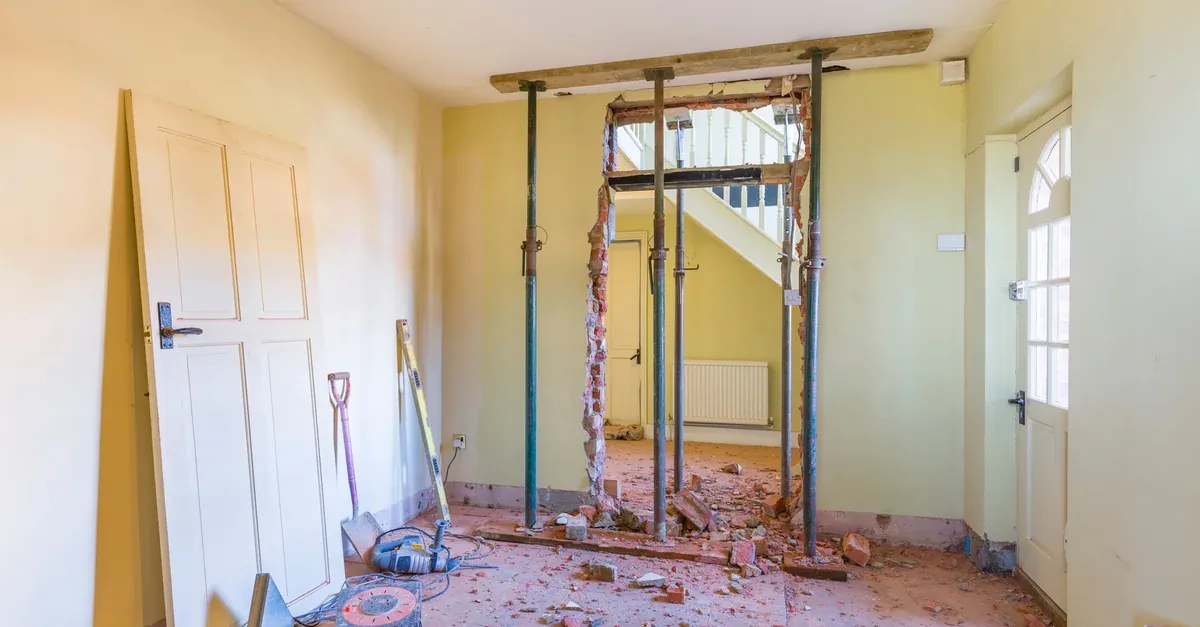
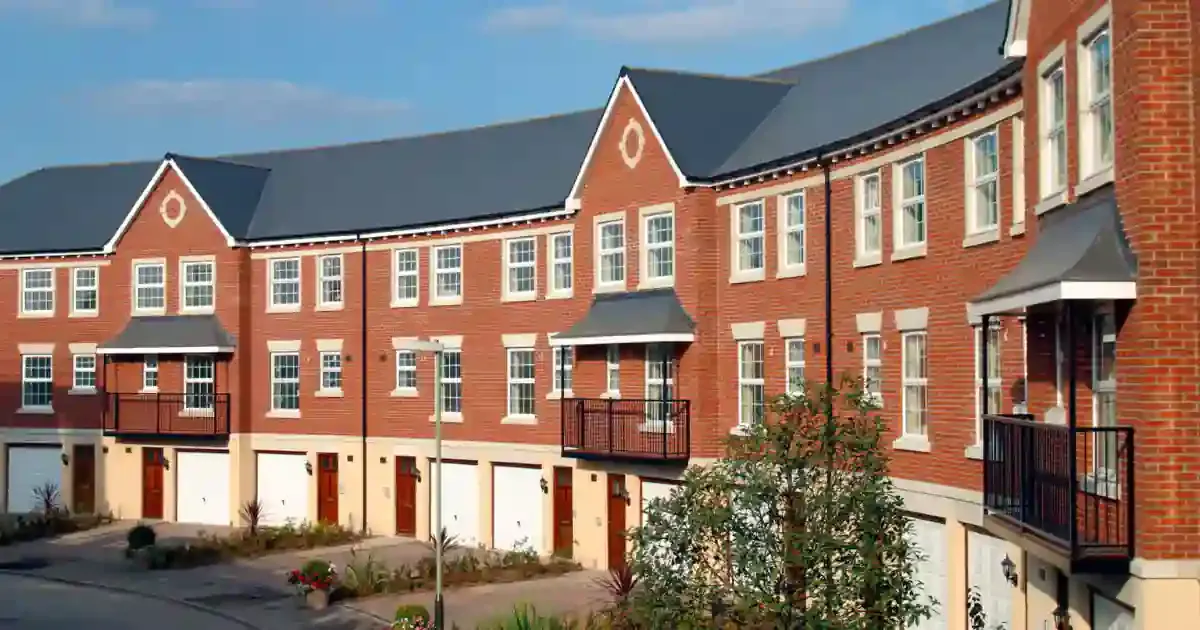
What is a Home Report in Scotland?
5 mins read