
Japanese knotweed: How it affects your house survey & mortgage
Japanese knotweed can be a nightmare for homeowners and buyers. This guide explains how this invasive plant impacts your house survey, mortgage, and property value in the UK, offering practical advice and solutions.
9 mins read
04-08-2026
Written by

Editorial Team
Similar Guides

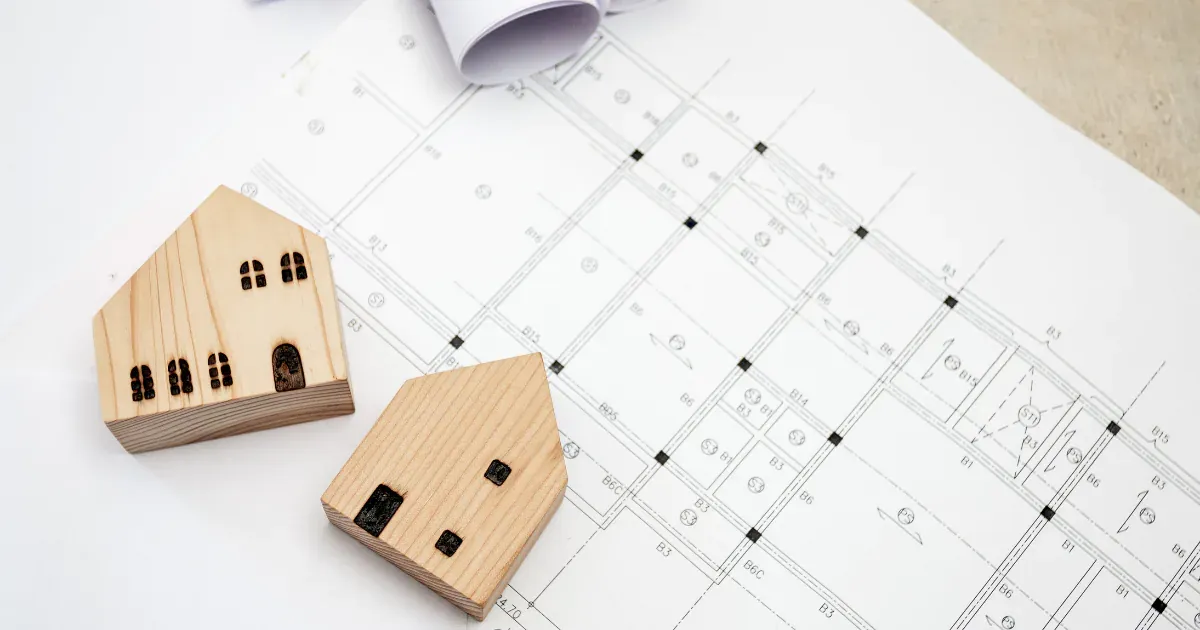
Moving home is exciting, but it can come with surprises. Japanese knotweed is one plant that often concerns buyers, sellers, and mortgage lenders in the UK. This invasive species can cause anything from building damage to trouble getting a mortgage. Knowing how it affects your house survey and mortgage is key to a smooth move.
At Moving Compared, we want to give you clear, reliable information to help you deal with these challenges. We’re here to explain what Japanese knotweed could mean for your new home and how you can handle it.
Key takeaways:
- Japanese knotweed is a fast-spreading plant that can damage buildings and complicate property transactions in the UK.
- Surveyors rely on RICS guidance to assess risk and impact of Japanese knotweed and how it could affect the property, nearby structures and surrounding land. Their findings can directly affect mortgage lender decisions.
- Finding Japanese knotweed can make securing a mortgage difficult, but a professional management plan and an insurance-backed guarantee can often resolve the issue.
- Specialist surveys and professional removal are essential, and their costs should be factored into your moving budget.
- Moving Compared helps you find expert surveyors and conveyancers to handle knotweed issues and ensure a smoother property transaction.
What is Japanese knotweed and why is it a problem for homeowners?
Japanese knotweed (Fallopia japonica) is a fast-growing, invasive plant from East Asia. It was brought to the UK in the 1800s as a garden plant. You can spot it by its bamboo-like stems, shovel-shaped leaves, and creamy-white flowers that bloom in late summer.
The biggest issue with Japanese knotweed is its strong root system, called rhizomes, which can grow up to 3 metres deep and 7 metres out from the plant. These roots can find and worsen weak spots in foundations, drains, paving, and walls, sometimes causing damage. Knotweed is also difficult to get rid of because it can regrow from even small fragments of root. Its presence can lower a property's value and make it harder to sell or get a mortgage. The UK government treats it as controlled waste, and it is illegal to let it spread in the wild or dispose of it incorrectly under the Wildlife and Countryside Act 1981.
How does Japanese knotweed affect a house survey?
A house survey is important when buying a property because it reveals any problems. If Japanese knotweed is found, the surveyor will note how close it is to the building. This information affects their report and recommendations, which in turn influence how mortgage lenders view the property.
With Moving Compared, you can compare quotes for different home surveys, such as RICS HomeBuyer Reports and Building Surveys. These surveys highlight major issues, including invasive plants such as Japanese knotweed. To find out more about what these reports include, check out our guide to home surveys.
What is the RICS Japanese knotweed guidance?
The Royal Institution of Chartered Surveyors (RICS) provides guidance to help surveyors assess and report Japanese knotweed consistently. The latest RICS guidance, introduced in 2022, moved away from the old distance-based approach and instead assesses Japanese knotweed based on the level of risk it poses to the property, nearby buildings and surrounding land.
Surveyors use this guidance to assess the potential impact of knotweed and recommend appropriate next steps. A professional surveyor may identify the plant, consider whether it is affecting the property or its use, and advise whether a specialist knotweed survey or management plan is needed. This can be important for both buyers and lenders when deciding how serious the issue is.
What happened to the 7-metre rule for Japanese knotweed?
The 7-metre rule was part of the older approach to Japanese knotweed. It was based on the idea that knotweed rhizomes could spread several metres underground, so plants found within 7 metres of a home, garage or other structure were often treated as a higher risk.
Since the 2022 RICS update, the 7-metre rule is no longer used as a fixed test. Surveyors now assess the overall risk and impact of the knotweed.
This does not mean distance is irrelevant. Knotweed close to a building, boundary, drain, path or outbuilding may still be a concern, but it is no longer assessed on the 7-metre rule alone.
Why do mortgage lenders 'panic' about Japanese knotweed?
Mortgage lenders want to protect their investment. Japanese knotweed can lower a property's value and damage its structure. If the plant causes problems, the property might be worth less, making it harder for the lender to get their money back if they have to repossess and sell it.
Getting rid of knotweed is hard and expensive, and it can also lead to legal problems with neighbours if it spreads. Lenders want to know the problem is being handled by professionals and that the property's value is safe. That's why they often ask for a clear assessment and a strong management plan before approving a mortgage on a property with knotweed.
--
Disclaimer: This content is for informational purposes only and does not constitute financial advice. You should always seek independent financial advice from a qualified professional before making any mortgage or financial decisions. Can you get a mortgage with Japanese knotweed?
You can get a mortgage on a property with Japanese knotweed, but it is more difficult. Lenders usually want proof that the knotweed is being managed by professionals. This often means having a specialist survey done to show how much knotweed is present.
Most lenders require an insurance-backed treatment plan from a trusted company. This plan should explain how the knotweed will be removed, how long it will take, and include a guarantee (usually for 5 or 10 years) in case it grows back. Without this, many lenders will not offer a mortgage or may withhold funds until treatment starts or ends. Some lenders are more flexible, so it helps to work with a mortgage broker who knows about knotweed issues.
What happens if Japanese knotweed is found during a survey?
If your surveyor finds Japanese knotweed during a home survey, they will mention it in their home survey report. Depending on how serious and close the infestation is, they might suggest getting a specialist knotweed survey. This is a thorough check done by a qualified invasive weed expert.
The specialist will confirm if knotweed is present, show how far it has spread, check the risk to the property, and suggest a treatment and management plan. This plan is needed for mortgage lenders and to keep the property in good shape. Don't worry - finding knotweed does not always mean you have to walk away, but you do need professional help and a clear plan.
How much does Japanese knotweed removal cost?
The cost to remove Japanese knotweed in the UK depends on how much there is, the treatment method, and the company you choose. Herbicide treatment, which can take several years, might cost a few hundred pounds for small areas or several thousand for bigger ones. Digging it out is faster but more disruptive and can cost much more, sometimes tens of thousands of pounds, especially if you need to remove contaminated soil.
Ask for quotes from several trusted, accredited contractors. Make sure each quote covers the full management plan and includes an insurance-backed guarantee. While it may not be welcome news, paying for professional removal is important to protect your property's value and make it possible to get a mortgage.
What are your options if you're buying a house with Japanese knotweed?
If you find Japanese knotweed when buying a house, it does not mean the sale is off. You just need to be careful and have a clear plan.
1. Negotiate the price: The presence of knotweed, and the associated removal costs, can be a strong negotiating point. You might ask the seller to cover the cost of a specialist survey and an insurance-backed treatment plan, or to reduce the asking price to reflect these expenses.
2. Require a treatment plan: Insist that the seller arranges and pays for a professional, insurance-backed Japanese knotweed management plan before you complete the purchase. Your mortgage lender will almost certainly require this.
3. Get specialist advice: Engage a specialist Japanese knotweed surveyor to assess the situation thoroughly. Their report and proposed management plan will be invaluable for your decision-making and for satisfying your lender.
4. Consider the long-term: Even with professional treatment, knotweed can come back. The insurance-backed guarantee provides protection, but it's a commitment you'll need to be aware of.
5. Walk away: If the infestation is severe, the seller is unwilling to cooperate, or the costs and risks feel too high, walking away might be the best option. It's a significant investment, and you need to feel comfortable with the property.
Your conveyancer is key to negotiating these terms and ensuring all agreements regarding knotweed treatment are legally binding. For more guidance on the conveyancing process, read our complete guide to conveyancing, or use Moving Compared to find trusted conveyancers with experience in handling tricky property deals.
How can Moving Compared help with Japanese knotweed issues?
At Moving Compared, we know that dealing with Japanese knotweed can make moving even more stressful. Our platform connects you with the expert services you need to handle these challenges with confidence.
- Surveyor quotes: If Japanese knotweed is suspected or identified, you'll need a specialist surveyor. We can help you compare quotes from RICS-accredited surveyors who can provide detailed assessments and recommendations, including specialist Japanese knotweed surveys. This ensures you get a clear picture of the problem and what needs to be done. Get your survey quotes today.
- Conveyancing quotes: A skilled conveyancer is essential when dealing with knotweed. They will ensure your contract includes the right clauses to protect you and that any treatment plans and guarantees are legally sound. Our platform lets you compare quotes from experienced conveyancers who know how to handle the legal side of properties affected by invasive plants.
- Removals quotes: While not directly related to knotweed treatment, if you decide to proceed with the purchase, you'll still need to move! We can help you find reliable removals companies to ensure your belongings are transported safely and efficiently to your new home, allowing you to focus on managing the knotweed situation.
With Moving Compared, you get access to a network of trusted professionals. This helps you make smart choices and find the best services for your move.
Final summary
Japanese knotweed is a serious issue for anyone buying or selling property in the UK. It can damage buildings and make it harder to get a mortgage, so it should not be ignored. Still, with good professional advice and a proper management plan, it can often be managed.
If you know about the RICS guidance, and what mortgage lenders need, you can handle a property with knotweed more confidently. Moving Compared is here to make your move easier by connecting you with trusted surveyors, conveyancers, and removal companies, so you have the expert help you need to deal with challenges like Japanese knotweed
Ready to take the next step in your move? Get free, no-obligation quotes for your conveyancing, surveying, or removals needs today and let us help you move smarter.

FAQs
Related Guides

RICS Level 1 surveys explained
5 mins read
What is a Home Report in Scotland?
5 mins read