
RICS Level 2 vs Level 3 Survey: Which do you need?
Understanding the differences between a RICS Level 2 and Level 3 survey is vital for home buyers. This guide breaks down what each survey covers, helping you choose the right one for your potential new home.
10 mins read
04-08-2026
Written by

Editorial Team
Similar Guides
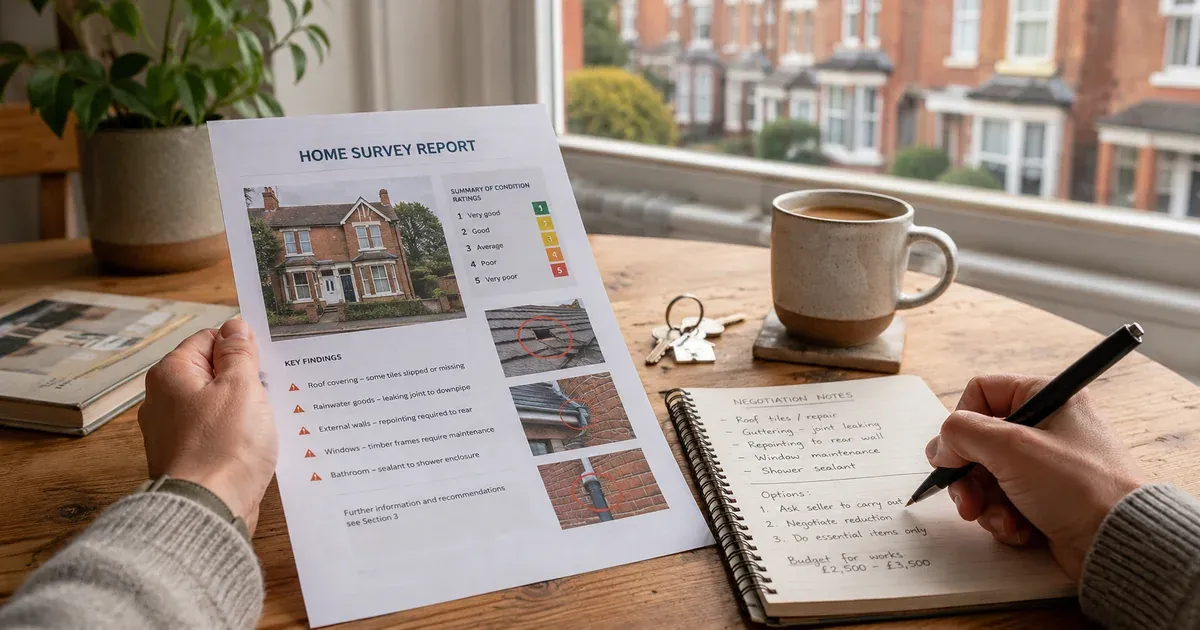


Key takeaways:
- A RICS Level 2 survey, also known as a HomeBuyer Report, is suitable for standard properties in reasonable condition. It provides a visual inspection, highlighting urgent defects and potential legal issues using a clear traffic light system.
- A RICS Level 3 survey, or Building Survey, is more comprehensive and ideal for older, larger, or unique properties, or those with known defects. It offers an in-depth analysis of structural integrity and future maintenance needs.
- The choice between a Level 2 and Level 3 survey depends on the age, construction, and condition of the property you are considering buying. Older or more complex homes generally require the deeper insights that a Level 3 survey provides.
- Getting the right survey can save you significant money and stress by uncovering hidden problems before you commit to a purchase.
Understanding the RICS Level 2 survey
A RICS Level 2 survey, often called a HomeBuyer Report, is a popular choice for buyers of conventional properties that are in a reasonable state of repair. This type of survey provides a clear, concise overview of the property's condition, highlighting any significant defects or issues that could affect its value or safety. It is designed to be easily understood, using a traffic light system to rate the condition of different elements.
The Royal Institution of Chartered Surveyors (RICS) sets standards for these surveys, ensuring consistent quality and detail across reports. A RICS Level 2 survey offers peace of mind by identifying potential problems not obvious during a casual viewing, such as damp, timber issues, or structural movement. It also includes advice on repairs and maintenance to help you budget future costs.
What a RICS Level 2 survey includes
A RICS Level 2 survey involves a non-intrusive visual inspection of all accessible parts of the property inside and out. The surveyor examines the roof, walls, floors, ceilings, and services for visible defects.
This survey covers:
- Major defects: Identifies significant issues like damp, rot, or subsidence that require urgent attention.
- Structural integrity: Assesses the general condition of the building's main elements, such as walls and roof structure, without opening up sealed panels or lifting carpets.
- Services: Provides a visual check of the plumbing, heating, and electrical systems, though it is not a test of their functionality.
- Environmental issues: Highlights potential risks like asbestos or radon, if visible or suspected.
- Legal considerations: Points out any potential legal issues, such as boundary disputes or rights of way, that your conveyancer should investigate further.
- Market valuation (optional): Many RICS Level 2 surveys can include a market valuation and an insurance reinstatement cost, giving you an independent assessment of the property's worth.
The report uses a clear traffic light system:
- Condition Rating 1 (Green): No repairs currently needed.
- Condition Rating 2 (Amber): Defects that need repairing or replacing but are not considered serious or urgent.
- Condition Rating 3 (Red): Serious defects that require urgent repairs or further investigation by a specialist.
This rating system helps you quickly understand the severity of identified problems. For example, a red rating on the roof indicates a significant issue that could lead to substantial repair costs.
When to opt for a RICS Level 2 survey
You should typically choose a RICS Level 2 survey if buying a conventional property that is relatively modern, well-maintained, and in reasonable condition. This includes most homes built after 1950, such as standard houses, bungalows, or flats.
Consider a Level 2 survey if:
- The property is of standard construction (e.g. brick walls, tiled roof).
- It is not significantly old (generally post-1950).
- You do not anticipate major structural problems or extensive renovation work.
- You want a clear, easy-to-understand report that highlights urgent issues and provides general advice.
For example, if purchasing a three-bedroom semi-detached house built in the 1970s that looks well-kept, a RICS Level 2 survey is likely sufficient. It balances cost and detail, offering essential insights without the extensive depth of a Level 3 survey.
Delving into the RICS Level 3 survey
A RICS Level 3 survey, or Building Survey, is the most comprehensive property survey available. It is designed for older, larger, unusually constructed properties or those with known or suspected defects. This survey goes beyond visual inspection, offering an in-depth analysis of the property's structure and fabric.
The surveyor conducts a thorough investigation, inspecting hard-to-reach areas where safe and accessible to uncover hidden issues and provide a detailed assessment of the building's condition. This detail is valuable for buyers seeking a complete understanding of their purchase, including advice on repairs, maintenance, and future costs.
What does a RICS Level 3 survey cover
A RICS Level 3 survey provides an extensive examination of the property, covering its construction, condition, and potential future issues. It is more detailed than a Level 2 survey and intended for properties needing deeper inspection.
This survey covers:
- In-depth structural analysis: A detailed assessment of the building's structure, including foundations, walls, roofs, and floors, identifying any signs of movement, subsidence, or structural weakness.
- Hidden defects: The surveyor will investigate accessible roof spaces, cellars, and under-floor areas, looking for issues that might be concealed.
- Building materials and construction: A comprehensive review of the materials used and the construction methods, noting any potential problems associated with them.
- Damp and timber issues: A thorough inspection for damp, rot, woodworm, and other timber defects.
- Services: While not testing the systems, the surveyor will visually inspect the plumbing, heating, and electrical installations, noting their apparent age and condition.
- Maintenance advice: Detailed recommendations for necessary repairs, future maintenance requirements, and potential costs.
- Energy efficiency: Comments on the property's insulation and energy performance.
- Environmental factors: Identification of potential risks such as asbestos, radon, or contamination, and advice on further investigation if needed.
The report includes technical information and professional opinions, making it valuable for negotiating prices or planning renovations. For example, a Level 3 survey might reveal that an older property's roof timbers suffer extensive rot, requiring a significant repair budget.
When to opt for a RICS Level 3 survey
Choose a RICS Level 3 survey if buying an older property, one of unusual construction, or one significantly altered or extended. This survey is essential if you suspect defects, plan major renovations, or need a deeper inspection.
Go for a Level 3 survey if:
- The property was built before 1900, or is a listed building
- It is of non-standard construction (e.g. timber frame, thatched roof, concrete panels).
- The property is large, complex, or has been extensively modified.
- You have concerns about the property's condition, such as visible cracks, damp, or uneven floors.
- You are planning significant renovations or extensions and need detailed information on the building's structure.
For example, if considering a Victorian terraced house with a loft conversion and rear extension, a RICS Level 3 survey is highly recommended. It provides detailed insights into the structural integrity of the original building and the quality of alterations, helping you avoid costly surprises.
Key distinctions between RICS Level 2 and Level 3 surveys
The primary distinctions between RICS Level 2 and Level 3 surveys are depth of inspection, report detail, and suitability for property types. Level 2 is a limited visual inspection; Level 3 is a thorough, in-depth investigation.
- Depth of inspection: A Level 2 survey involves a visual inspection of readily accessible areas. A Level 3 survey is more detailed, involving inspection of all accessible areas, including roof spaces, cellars, and under-floor areas, where safe to do so.
- Report detail: Level 2 reports are concise and use a traffic-light system to highlight urgent issues. Level 3 reports are extensive, providing detailed technical explanations, advice on repairs, and estimated costs.
- Property suitability: Level 2 is for conventional, well-maintained properties. Level 3 is for older, larger, complex, or dilapidated properties, or those with known issues.
- Valuation: A market valuation and insurance reinstatement cost are optional extras with a Level 2 survey but are not typically included with a Level 3 survey.
- Cost: Due to the increased time and expertise required, a Level 3 survey is generally more expensive than a Level 2 survey.
Choosing the right survey means matching the level of investigation to the specific characteristics and risks of the property you intend to purchase.
Selecting the appropriate RICS survey for your property
Choosing the right RICS survey involves carefully considering the age, construction, and overall condition of the property you are interested in, as well as your own risk tolerance. The goal is to select a survey that provides sufficient detail to inform your purchasing decision without being excessive for the property type.
- For modern, standard properties: If the home was built after 1950, is of conventional construction (e.g. brick, tile), and appears to be in good repair, a RICS Level 2 HomeBuyer Report is usually adequate. It will identify any significant, visible defects and provide a valuation.
- For older, complex, or problematic properties: If the property was built before 1900, is unusually constructed, has been extensively altered, or shows signs of potential issues (like large cracks or damp), a RICS Level 3 Building Survey is the safer choice. This comprehensive report will uncover hidden defects, provide detailed repair advice, and help you understand the long-term maintenance implications.
It is always better to be over-cautious than to face unexpected and expensive repairs after moving in. If you are unsure, discussing the property with a RICS-qualified surveyor can help you make an informed decision. Moving Compared makes it easy to get quotes from various RICS-accredited surveyors, allowing you to compare their services and expertise to find the perfect fit for your needs.
Cost involved with RICS surveys
The cost of a RICS survey varies significantly depending on the type of survey, the size and value of the property, and its location. Generally, a RICS Level 3 Building Survey will be more expensive than a RICS Level 2 HomeBuyer Report due to its greater depth and the time required for the inspection and report writing.
- RICS Level 2 Survey (HomeBuyer Report): Typically ranges from £400 to £900. This cost can increase for larger properties or if you opt for the additional valuation service.
- RICS Level 3 Survey (Building Survey): Generally costs between £600 and £1,500, and potentially more for very large or complex properties. The higher cost reflects the detailed investigation and comprehensive report provided.
While the cost of a survey is an additional expense during the home-buying process, it is a vital investment. A survey can uncover issues that could save you thousands of pounds in future repair costs or provide leverage for negotiating the purchase price. According to RICS, around 20% of buyers who didn't get a survey later uncovered serious defects they weren't aware of.
Leveraging a survey for price negotiation
Yes, a comprehensive property survey can be a powerful tool for price negotiation. If your RICS Level 2 or Level 3 survey uncovers significant defects or issues that require costly repairs, you can use this information to negotiate a reduction in the property's purchase price.
- Identified defects: If the survey highlights issues such as a faulty roof, damp, or structural concerns, you can present these findings to the seller.
- Repair costs: Obtain quotes from builders or specialists for the identified repairs. These quotes provide concrete evidence of the financial impact of the defects.
- Negotiation leverage: Armed with this information, you can ask the seller to either reduce the asking price to cover the repair costs, fix the issues before completion, or contribute towards the cost.
For example, if a Level 3 survey reveals that the property needs a new damp proof course costing £5,000, you could request a £5,000 reduction in the purchase price. This negotiation can potentially save you a substantial amount of money and ensure you are not inheriting unforeseen expenses. Our guide on negotiating after a home survey offers more detailed advice on this process.
Next steps after receiving your survey report
Once you receive your RICS survey report, it is important to read it thoroughly and understand its implications. The report will detail any identified defects, their severity, and recommendations for further action.
- Review the findings: Carefully go through the report, paying close attention to any Condition Rating 3 (red) items in a Level 2 survey, or significant issues highlighted in a Level 3 survey.
- Seek clarification: If anything in the report is unclear, do not hesitate to contact your surveyor. They can explain technical terms or provide more context.
- Consider specialist advice: For serious issues like suspected structural problems, electrical faults, or extensive damp, the surveyor might recommend further investigation by a specialist (e.g. a structural engineer, electrician, or damp specialist).
- Negotiate or withdraw: Based on the survey's findings and any specialist reports, you can decide whether to proceed with the purchase, renegotiate the price with the seller, or, in severe cases, withdraw your offer.
- Inform your conveyancer: Share the survey report with your conveyancer. They can advise on any legal implications, such as covenants or boundary issues, and ensure that any agreed repairs or price reductions are formally documented in the purchase agreement.
This stage is critical for protecting your investment and ensuring you make an informed decision. Understanding how to read a home survey report can help you navigate this process effectively.
Pro tip: Always get a survey!
Even if a property appears to be in perfect condition, it is always advisable to get a professional survey. Many significant issues, such as hidden damp, structural movement, or faulty wiring, are not visible to the untrained eye. A survey acts as your safety net, uncovering these potential problems before they become your responsibility.
According to the HomeOwners Alliance, around one in five homeowners who didn't get a survey later discovered serious defects that cost them an average of £5,750 to fix. This highlights the value of investing in a survey, which can save you from unexpected financial burdens and provide invaluable peace of mind. For older homes, a structural survey is particularly important to identify potential long-term issues.
Summary
Choosing between a RICS Level 2 and Level 3 survey is a vital decision in the home-buying journey, directly impacting your understanding of a property's condition and potential future costs. A RICS Level 2 HomeBuyer Report is ideal for modern, conventional properties in good repair, offering a clear overview of visible defects. In contrast, a RICS Level 3 Building Survey provides an in-depth, comprehensive analysis, making it essential for older, larger, or more complex properties, or those with known issues. Investing in the right survey can save you significant money and stress by uncovering hidden problems and providing valuable leverage in negotiations.
Ready to find the right surveyor for your potential new home? Compare quotes for RICS-regulated surveyors today with Moving Compared and ensure you make an informed decision.

FAQs
Related Guides
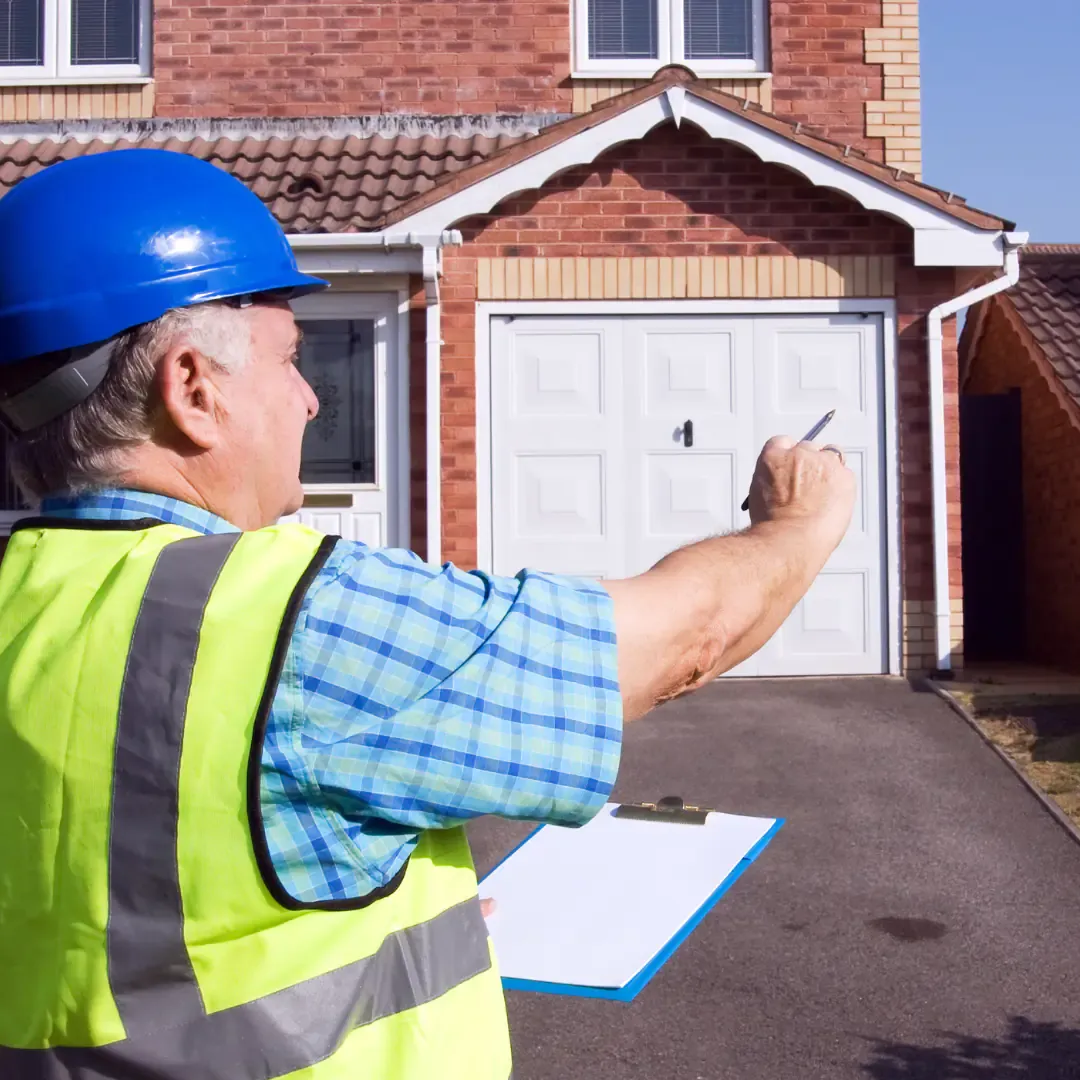
RICS Level 1 surveys explained
5 mins read
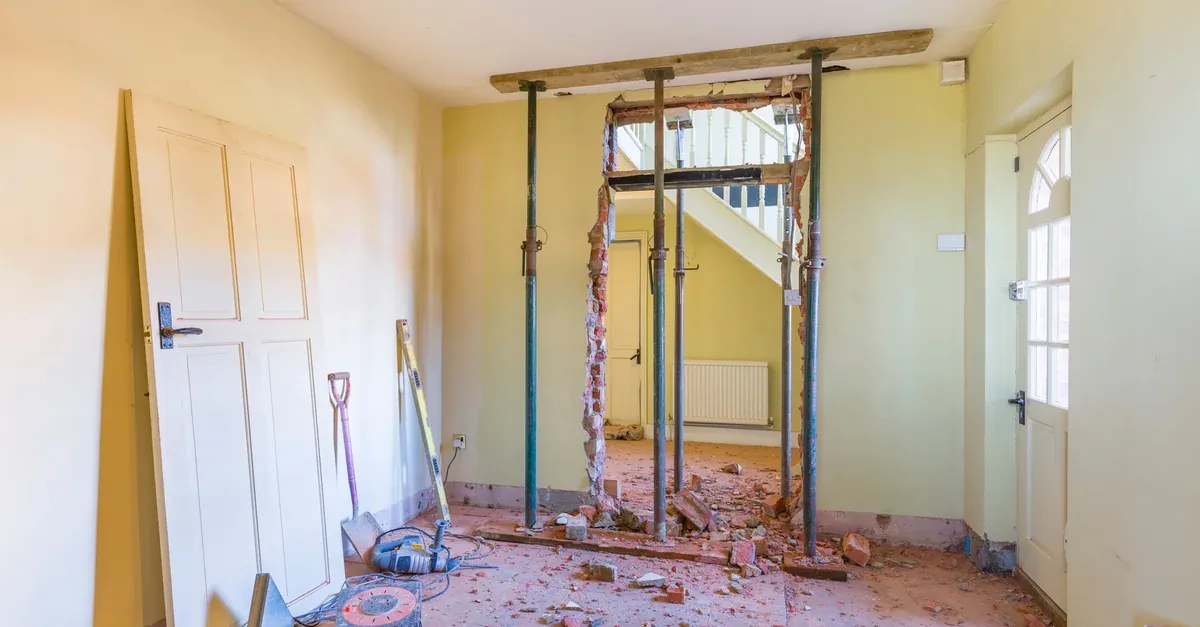
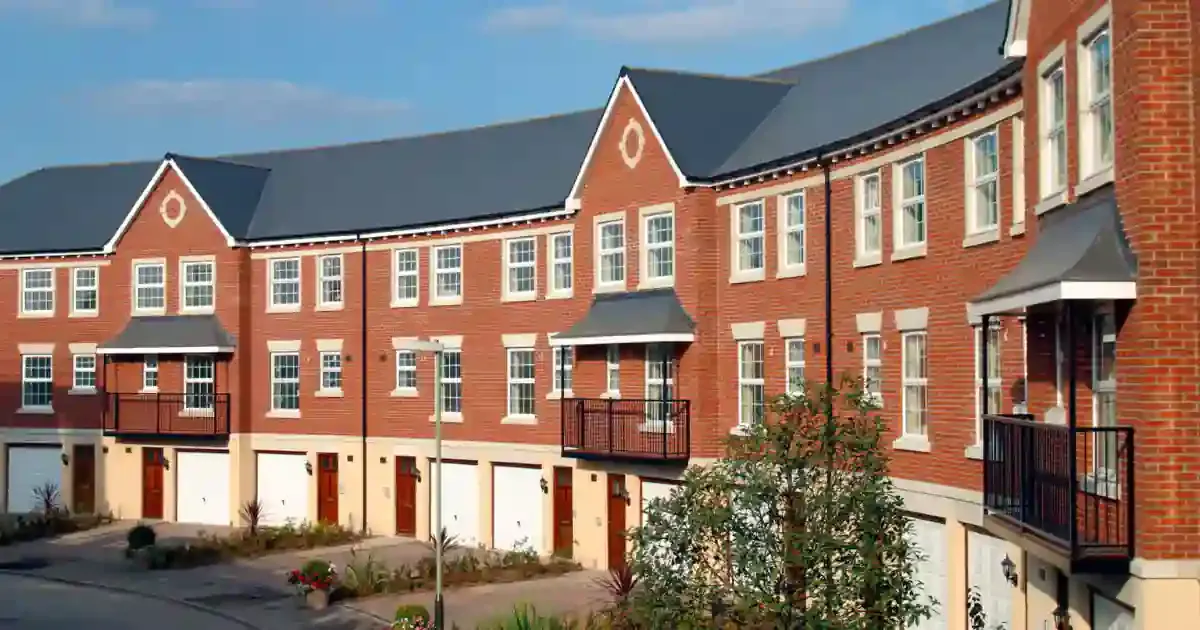
What is a Home Report in Scotland?
5 mins read