What is a RICS Level 1 survey?
It's the cheapest RICS survey you can buy, and for the right home it's all you need. For the wrong one, it can miss the very problems you most needed to know about.
5 mins read
01-10-2026
Written by

Editorial Team
Similar Guides
A RICS Level 1 survey is the most basic of the three home surveys set out by the Royal Institution of Chartered Surveyors. It tells you what condition the main parts of a property are in, using a simple traffic-light rating, and not much more. For the right home, that's all you need. For the wrong one, it can leave you blind to problems that cost thousands to fix.
Here's what a Level 1 covers, what it leaves out and how to tell whether it's enough for the property you're buying.
What a Level 1 survey is
RICS brought in its current Home Survey Standard in 2021, replacing older names like the Condition Report and HomeBuyer Report with three levels. Level 1 is the entry point. You'll still hear it called a condition report, and some firms use both names.
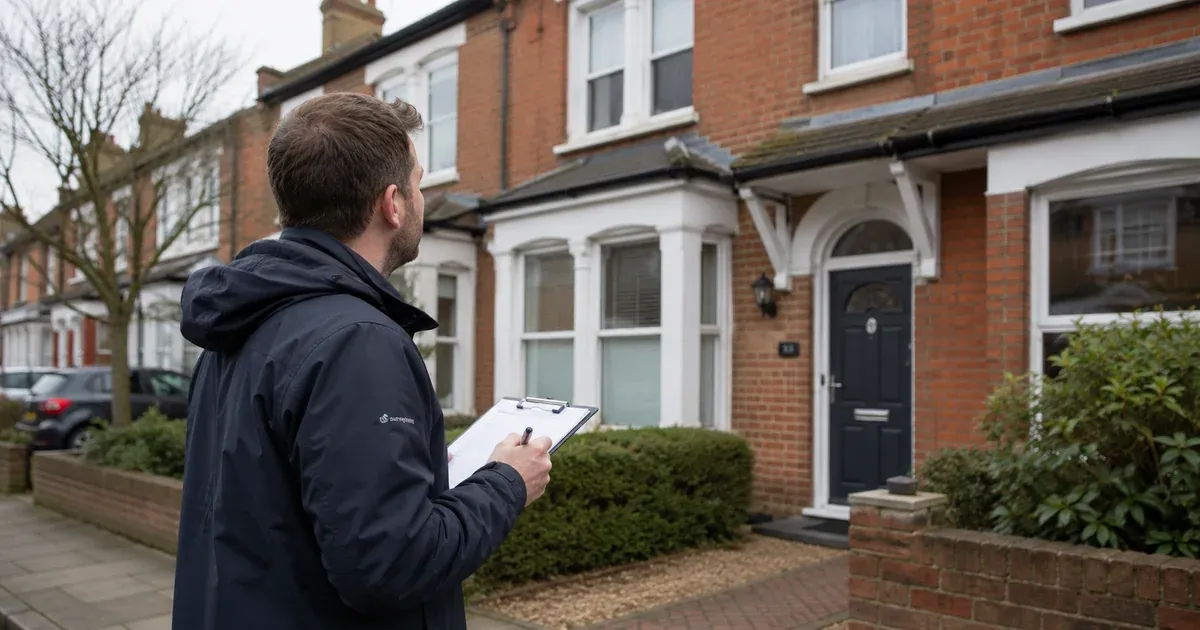
It's a visual inspection by a RICS-regulated surveyor. They look at the property's main elements, such as the roof, walls, windows, damp and services, and give each one a rating. They won't lift floorboards, move furniture or test anything.
What a Level 1 survey checks, and what it doesn't
A Level 1 report gives you a rating for each part of the building and flags anything that needs urgent attention or further investigation. It also highlights issues your conveyancer should look into, such as signs of building work that may have needed planning permission or building regulations sign-off.
What it doesn't give you is just as important. There's no advice on how to fix the problems it finds, no estimate of repair costs and no guidance on ongoing maintenance. A valuation isn't normally included either, although some surveyors offer one as an extra.
How the traffic-light ratings work
Every element of the property gets one of three ratings:
- Condition rating 1 (green) means no repair is currently needed and the property should be maintained as normal.
- Condition rating 2 (amber) means a defect needs repairing or replacing but isn't considered serious or urgent.
- Condition rating 3 (red) means a defect is serious and needs to be repaired, replaced or investigated urgently.
There's also NI, for anything the surveyor couldn't inspect. A report with lots of 3s or NIs on an older home is a sign you probably needed a more detailed survey.
How much a Level 1 survey costs
A Level 1 is the cheapest RICS survey. MoneyHelper puts it at around £380, rising with the value of the property. Size and location make a difference too, so expect to pay more for a large home or one in London.
Here's the surprising part. MoneyHelper puts a Level 2 at around £400, only slightly more than a Level 1. Because a Level 2 adds repair advice and can include a valuation, it's often the better value of the two. A Level 3 starts from around £600. Our guide to house survey costs goes through current prices for every level.
Is a Level 1 survey enough for your property?
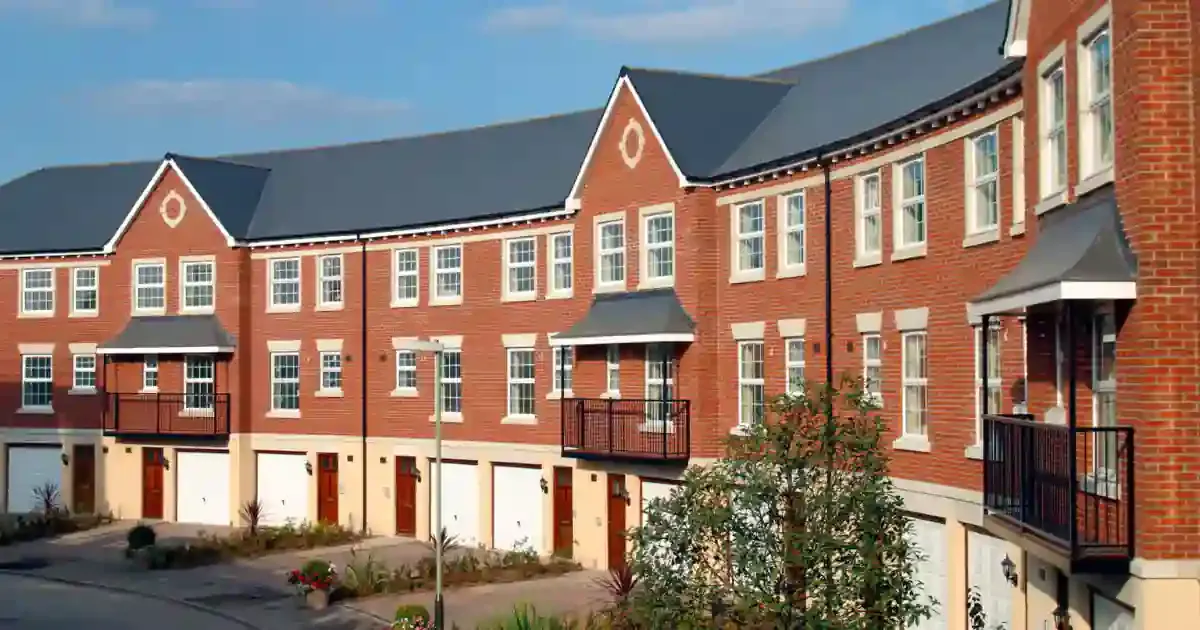
A Level 1 makes sense when the property is conventional in design, built from standard materials and already in reasonable condition. That typically means:
- A newer house or flat, built in the last few decades, that hasn't been heavily altered.
- A home you already know well, such as one you've rented or one owned by family.
- A straightforward flat in a modern, well-maintained block.
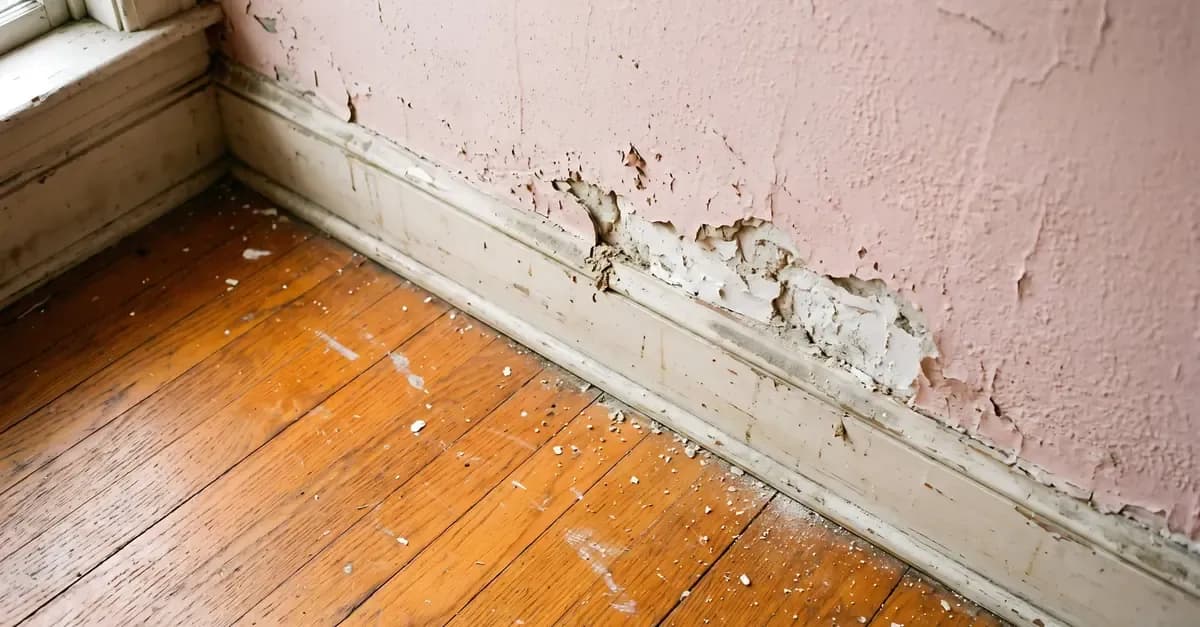
It's not the right choice for older homes, period properties, anything with extensions or conversions, homes built from unusual materials, or anywhere you've already spotted problems like cracks or damp. For those, a Level 1 simply won't tell you enough.
Level 1 vs Level 2 vs Level 3
Survey | Best for | Valuation included | Repair advice | Typical cost |
|---|---|---|---|---|
Level 1 | Newer, conventional homes | Not usually | No | Around £380 |
Level 2 | Most standard homes | Optional | Yes | Around £400 |
Level 3 | Older or unusual properties | Optional | Yes | From around £600 |
Level 2 is the most popular choice for most buyers, because it balances depth and cost. Level 3 is the most thorough and is designed for older, larger or unusual properties, or anywhere you're planning major work. Our guide to RICS Level 2 vs Level 3 surveys compares those two in more detail.
When to upgrade to a higher-level survey
If you're unsure, go up a level. The extra cost is small compared with the price of the home, and a survey that misses a problem is no saving at all. It's also worth remembering that a mortgage valuation isn't a survey. Your lender's valuation only checks the property is worth what they're lending, so it won't protect you from defects.
If you'd like a clearer picture of a property before you commit, you can compare survey quotes from RICS-regulated surveyors through Moving Compared.
FAQs
Related Guides
What is a Home Report in Scotland?
5 mins read