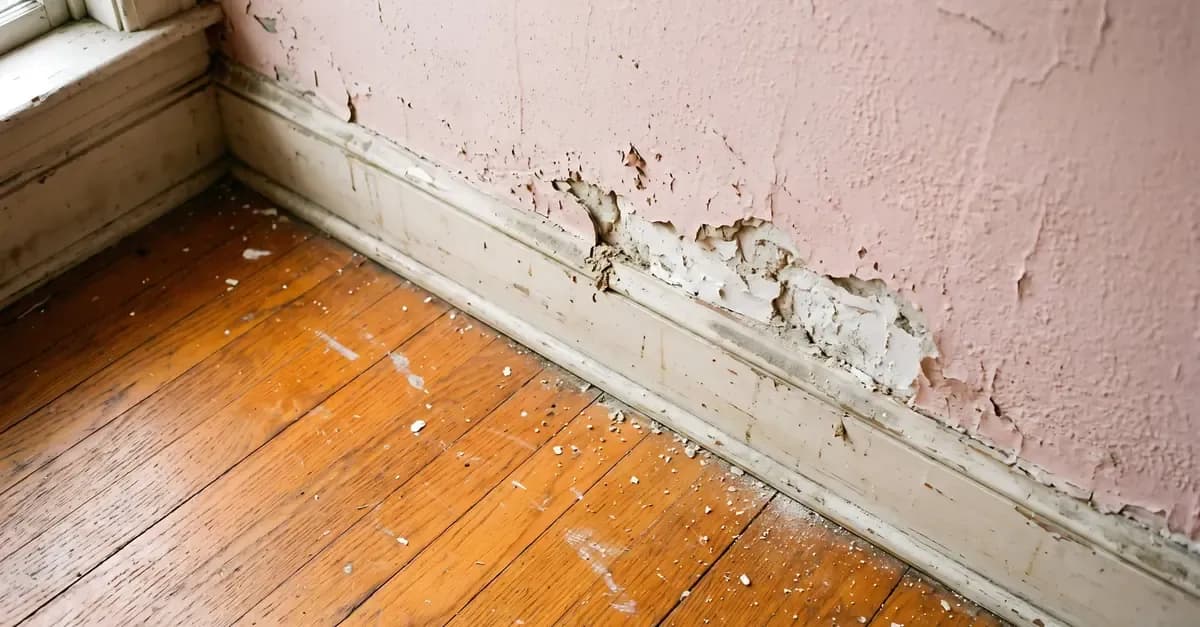
Buying a house that needs renovation? Here's the survey you need
A fixer-upper can get you a bigger home or a better street for your budget. It can also hide a five-figure problem, and the survey you pick decides whether you find out before or after you buy.
6 mins read
30-09-2026
Written by

Editorial Team
Similar Guides


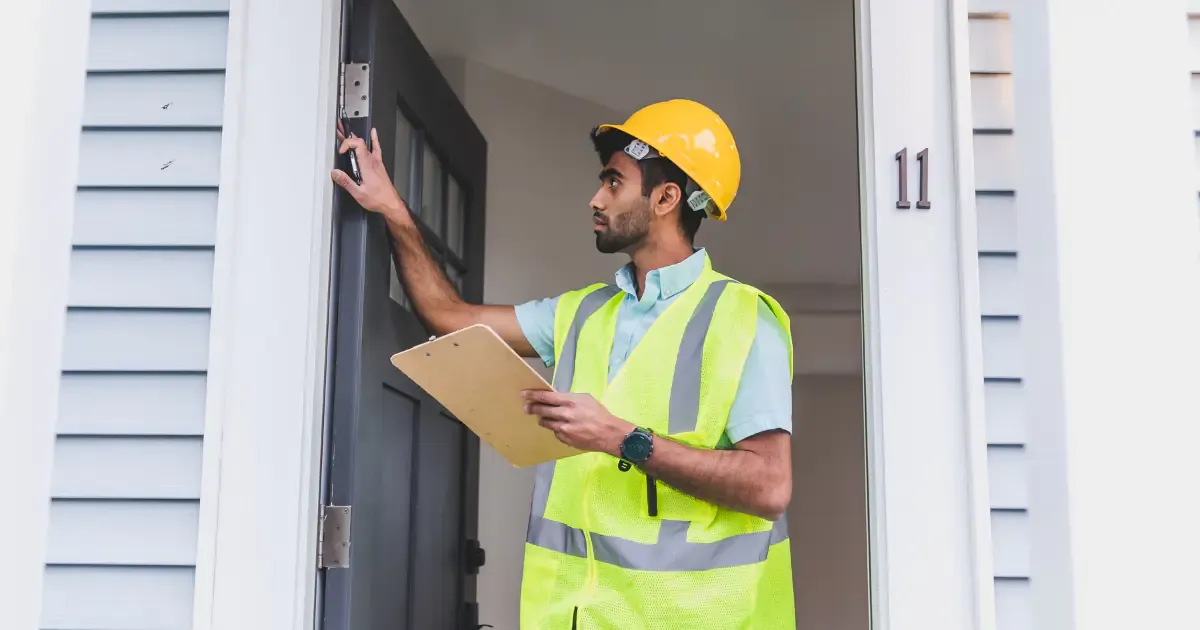
Why so many buyers are looking at fixer-uppers
If the move-in-ready homes in your area are out of reach, a house that needs work can be the way in. You get more space or a better street for the money, and you get to make it your own. Plenty of people have added real value by renovating an old house rather than paying top price for someone else's finished version.
The catch is that the discount on a tired house only makes sense if you know what you're taking on. A rotten roof, failing electrics or a structural problem can swallow the saving several times over. That's why the survey matters more on a fixer-upper than on almost any other kind of purchase.
Why a Level 2 survey isn't enough
A RICS Level 2 survey (often still called a HomeBuyer Report) is a good report for the right house. RICS describes it as most suitable for conventional properties in reasonable condition that are simple in form and layout. A house that needs a full renovation is, almost by definition, not that.
The problem isn't that a Level 2 surveyor won't notice things. They will. It's what the report does with them. A Level 2 will tell you that the roof, the wiring or the damp needs attention, give it a traffic-light condition rating and usually recommend further investigation. It won't go into much depth on what's causing the problem, how serious it's likely to be or what the options are for fixing it.
On a well-kept semi, that's fine. On a house where half the report is going to be red ratings, you'll finish reading it with a long list of worries and very little to plan around.
What a Level 3 building survey gives you
RICS recommends a Level 3 for large, older or run-down properties, buildings that are unusual or have been altered, or anywhere you're planning major works. A fixer-upper usually ticks at least two of those boxes. When you're choosing a survey for an old house that needs work, this is the one to book.
More detail on causes
A Level 3 surveyor spends longer in the property and goes into more depth. Where a Level 2 might note damp at the base of a wall, a Level 3 will look at the likely cause, whether that's a failed damp-proof course, a leaking gutter or high ground outside, and explain what that means for the building.
Repair advice you can plan around
The report explains the repair options and the likely consequences of leaving things alone. Where it's practical and agreed with you in advance, the surveyor can also give rough costs and timescales for the main repairs. That turns a list of problems into something closer to a renovation plan, and it's exactly what you need when you're working out whether the numbers stack up.
Hidden risks flagged
A Level 3 also describes the risk of defects the surveyor couldn't see, such as timbers under floors or problems behind newer plasterboard. It won't find everything (no survey that stops short of opening up the walls can), but it tells you where the gaps are and what's worth investigating next. Our guide to what a house survey checks explains the limits of any inspection, and our comparison of RICS Level 2 vs Level 3 surveys goes into the differences in more depth.
Structural survey cost and the other reports you might need
A lot of people still call a Level 3 a "structural survey", although a true structural survey is a separate report from a chartered structural engineer. You'll often need a Level 3 first and then one or two specialist reports on top, depending on what it finds.
Here's roughly what each one costs.
Survey or report | When you need it | Typical cost |
|---|---|---|
RICS Level 2 survey | Conventional homes in reasonable condition | Around £400 |
RICS Level 3 building survey | Older, run-down or altered homes, or where major works are planned | From around £60 |
Structural engineer report | Cracks, movement or plans to remove walls | Around £700, plus about £300 for the visit |
CCTV drain survey | Older homes, nearby trees or signs of blockages | £200 to £350 with a full report |
Electrical condition report (EICR) | Dated or unknown wiring | £100 to £250, more for larger houses |
Asbestos refurbishment survey | Homes built or refurbished before 2000, before any stripping out | £300 to £400 |
Please note: Typical costs from MoneyHelper and Checkatrade.If you're buying a period home, our guide to structural surveys for older homes has more on when an engineer is worth bringing in.
When to add specialist reports
Bring in a structural engineer if the Level 3 flags cracking, movement or you're planning to knock through walls. Get the drains checked with a CCTV survey if the house is older, has big trees nearby or there are signs of blockages. Ask for an electrical condition report if the wiring looks dated, because rewiring is one of the most common big costs in older homes. And if the house was built or refurbished before 2000, it could contain asbestos, so a survey before any demolition or stripping out is a sensible precaution.
Other things to check before buying a house that needs renovation
Can you get a mortgage on it?
Many lenders won't offer a standard mortgage on a home they consider uninhabitable, which often means one without a working kitchen or bathroom. If the house is in that state, you may need a specialist renovation mortgage, bridging finance or cash. Talk to a mortgage broker early, before you fall in love with the place.
Is it listed or in a conservation area?
If it is, you'll need consent for many changes, and sometimes for repairs too. Our guide to buying listed buildings and homes in conservation areas explains what that means in practice.
Has it been empty for two years or more?
If so, you may be able to pay VAT at 5% rather than 20% on renovation work. The rules are set out in HMRC's VAT Notice 708 on buildings and construction, and your builder will need to apply the reduced rate, so check before work starts.
Leave room for surprises
Even with the best survey in the world, renovations turn up things nobody could see. Build a contingency into your budget on top of any quotes, and don't spend it until the project is finished.
Using the survey to negotiate
A detailed Level 3 report is one of the best negotiating tools you'll have. If it turns up problems that weren't reflected in the asking price, you can use the findings, and ideally builders' quotes, to go back to the seller. Our guide on negotiating after a home survey explains how.
Is buying a fixer-upper worth it?
It can be, if you go in with your eyes open. Buying a fixer-upper works best when you know what the house needs before you commit, and a Level 3 building survey is how you find that out. When you're ready, you can compare RICS surveyors and get the right survey booked before you exchange contracts.

FAQs
Related Guides
RICS Level 1 surveys explained
5 mins read
What is a Home Report in Scotland?
5 mins read