
The Party Wall Act explained: Do you need an agreement?
Navigating home improvements near a shared boundary? The Party Wall Act is key. This guide explains everything you need to know about party wall agreements, when they're needed, and how to manage the process smoothly.
10 mins read
04-08-2026
Written by

Digital Marketing Director, Moving Compared
Similar Guides

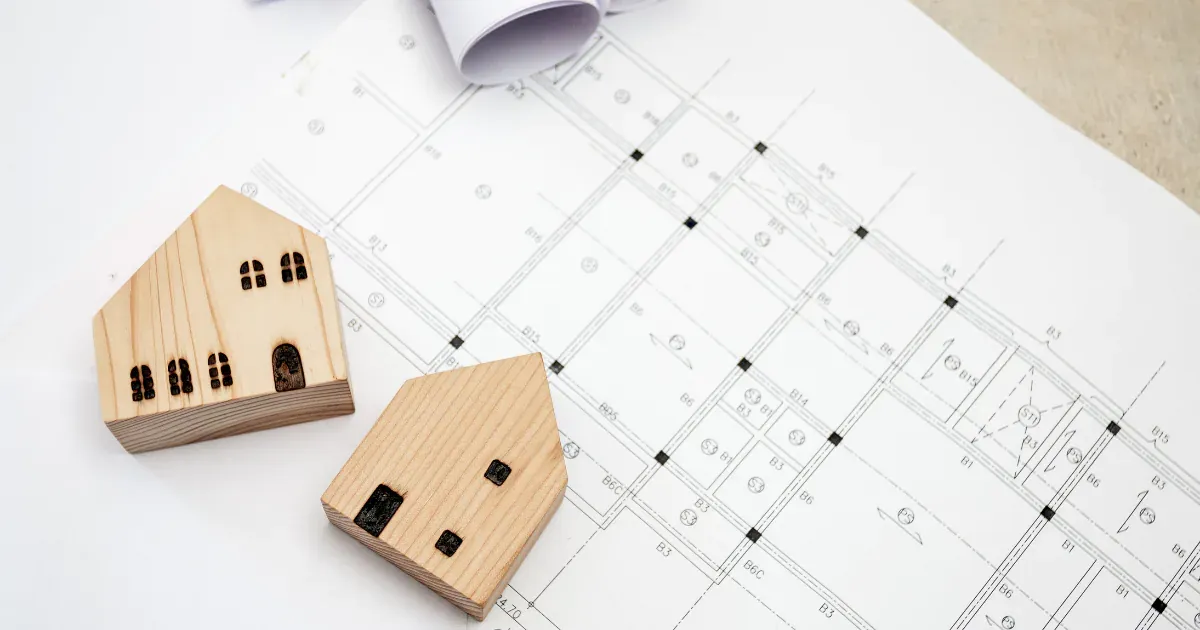

Moving home or renovating can bring excitement and paperwork. If your plans involve shared walls or boundaries with a neighbour, the Party Wall etc. Act 1996 may apply. It prevents disputes and ensures building work on shared structures is done safely and fairly.
This guide explains the Party Wall Act and helps you understand your rights and responsibilities. It covers when an agreement is necessary, the steps to secure one, and how professional support from a qualified surveyor can help.
Key Takeaways
- The Party Wall Act applies to properties in England and Wales, regulating building work on or near shared boundaries.
- You must serve a formal notice to your neighbours if your planned work falls under the Act.
- A Party Wall Agreement, or Award, is a legally binding document that sets out the work, protective measures, and responsibilities.
- Professional party wall surveyors play an important, impartial role in resolving disputes and drafting awards.
- Conveyancers check for Party Wall Awards and notices during property transactions, which is essential for buyers and sellers.
What is a Party Wall?
A party wall stands on the land of two or more owners and forms part of a building, or it stands on one owner's land but is used by two or more owners to separate their buildings. This shared ownership or use means any work affecting it requires careful consideration and often a formal agreement.
It can be a wall separating two terraced houses, a wall that forms part of one building but is used by another, or even a garden wall that sits on a boundary. Understanding if you have a party wall is the first step in determining if the Act applies to your planned works.
What is the Party Wall Act?
The Party Wall etc. Act 1996 is legislation in England and Wales that provides a framework for preventing and resolving disputes about party walls, boundary walls, and excavations near neighbouring buildings. It gives property owners who want to carry out certain types of work the right to do so, while also protecting their neighbours' interests.
This Act ensures that if you plan building works affecting a party wall or boundary, you must notify your neighbours. It makes sure everyone understands the plan and potential issues are addressed before construction begins, protecting both properties and neighbourly relations.
When does the Party Wall Act apply?
The Party Wall Act applies to specific types of building work that could affect a party wall, boundary wall, or excavations near a neighbour's property. This includes alterations to a shared wall, building a new wall on a boundary, or digging foundations close to an existing structure.
If your planned work involves a shared structure or digging nearby, the Act likely applies. It is not just about knocking down walls; even minor alterations can fall under its scope. Understanding the requirements early is fundamental.
What specific works are covered by the Party Wall Act?
The Party Wall Act covers a range of common building projects that affect shared structures or boundaries between properties. These works typically include building a new wall on or astride a boundary, cutting into a party wall to insert a beam, or excavating foundations within a certain distance of a neighbour's building.
For example, if you plan a loft conversion that involves cutting into a party wall to insert steel beams, or an extension requiring foundations dug within three to six metres of your neighbour's property, the Act applies. It also covers repairing, rebuilding, underpinning a party wall, chimney breast removal, and damp proofing if it affects the shared wall's structural integrity.
Do you need a Party Wall Agreement?
You need a Party Wall Agreement, often called a Party Wall Award, if your proposed building work falls under the Party Wall etc. Act 1996 and your neighbours do not consent to the works. This legally binding document sets out the terms and conditions under which the work will be carried out.
If your neighbour gives written consent within 14 days, you might not need a formal award. But if they disagree or do not respond, an agreement is necessary to protect both parties and ensure the work proceeds lawfully.
What happens if a neighbour disagrees with a Party Wall Notice?
If a neighbour disagrees with a Party Wall Notice or fails to respond within 14 days, it triggers a formal dispute under the Party Wall Act. This does not necessarily halt your project but means a Party Wall Award is required to resolve the disagreement.
At this point, both you (the building owner) and your neighbour (the adjoining owner) must appoint a party wall surveyor. You can jointly appoint one "agreed surveyor" if you both agree, or each appoint your own surveyor. These surveyors then work together to draft the Party Wall Award, ensuring all concerns are addressed fairly.
Pro Tip: Open, friendly communication with your neighbours from the start can prevent formal disagreements and streamline the process. A simple conversation explaining your plans before serving notice helps a lot.
What is a Party Wall Notice?
A Party Wall Notice is a formal letter that the building owner (the person carrying out the work) must serve to the adjoining owner (the neighbour) when planning works covered by the Party Wall Act. This notice tells the neighbour about the proposed work and gives them the opportunity to agree or object.
The notice must be in writing and include details of the proposed work, the start date, and a clear statement that it is a Party Wall Notice under the Act. Notice periods vary by work type: one month for excavations and two months for party wall works.
What is the role of a Party Wall surveyor?
A party wall surveyor acts as an impartial expert to resolve disputes between neighbours about building work that falls under the Party Wall Act. Their primary role is to interpret the Act, assess the proposed work, and create a legally binding Party Wall Award that protects the interests of both the building owner and the adjoining owner.
Surveyors ensure the work is carried out safely, minimises disruption, and addresses potential damage to the adjoining property. They are impartial and uphold the Act's principles fairly. The Royal Institution of Chartered Surveyors (RICS) provides professional standards and guidance.
How does a Party Wall surveyor help with an agreement?
A party wall surveyor helps by drafting and negotiating the Party Wall Award, a legally binding document. They review proposed plans, conduct a schedule of condition (a photographic and written record of a property's condition before work) of the adjoining property, and specify how the work should be done to prevent damage and minimise inconvenience.
What does a Party Wall surveyor cost?
The cost of a party wall surveyor varies depending on the work's complexity, location, and whether one or two surveyors are appointed. Typically, the building owner pays all reasonable fees related to the Party Wall Award, including the adjoining owner's surveyor's fees.
For a single agreed surveyor, costs range from £900 to £2,000. If each party appoints their own surveyor, total costs could be £2,000 to £5,000 or more, plus possible fees for a third surveyor. These are estimates, so getting a clear quote upfront is essential.
What happens if you do not get a Party Wall Agreement?
Failing to get a Party Wall Agreement when required can lead to serious legal and financial consequences. If you carry out work without proper notice or an agreed award, your neighbour can ask a court to stop your building work, causing delays and extra costs.
They could also take legal action against you for any damage caused, and you might be responsible for their legal fees as well as your own. Ignoring the Act can strain neighbourly relations and turn a simple project into a costly, stressful legal battle. It is best to comply with the Act to avoid these pitfalls.
How does conveyancing relate to Party Wall matters?
Conveyancing, the legal process of transferring property ownership, plays a central role in party wall matters, especially during a sale or purchase. When buying, your conveyancer will check if any party wall notices have been served or received, or if any Party Wall Awards exist.
If you are selling a property where party wall works have recently been completed or are ongoing, your conveyancer must provide all relevant documents to the buyer's solicitor. If you are buying, your conveyancer will review these documents to ensure the work was done correctly and that no unresolved responsibilities or disputes remain. This protects your future ownership and helps avoid inheriting neighbourly disputes.
Moving Compared can help you find expert conveyancers to guide you through property legalities.
Final Summary
The Party Wall Act is vital legislation protecting building owners and adjoining owners during construction near shared boundaries. Understanding its requirements, serving proper notice, and securing a Party Wall Agreement when needed are crucial for a smooth project and good neighbourly relations. Though the process can seem complex, professional guidance from a qualified party wall surveyor is invaluable.
Do not let party wall matters become a headache. Take the first step toward a stress-free project by comparing quotes for expert conveyancing and surveying services through Moving Compared today.

FAQs
Related Guides

Transfer of equity explained
7 mins read
Can you do your own conveyancing?
4 mins read