
Six property catches to watch for when buying in the countryside
Rural areas are gaining far more movers than they're losing. Here's what the paperwork won't tell you until you go looking for it.
5 mins read
17-09-2026
Written by

Digital Manager, Moving Compared
Similar Guides
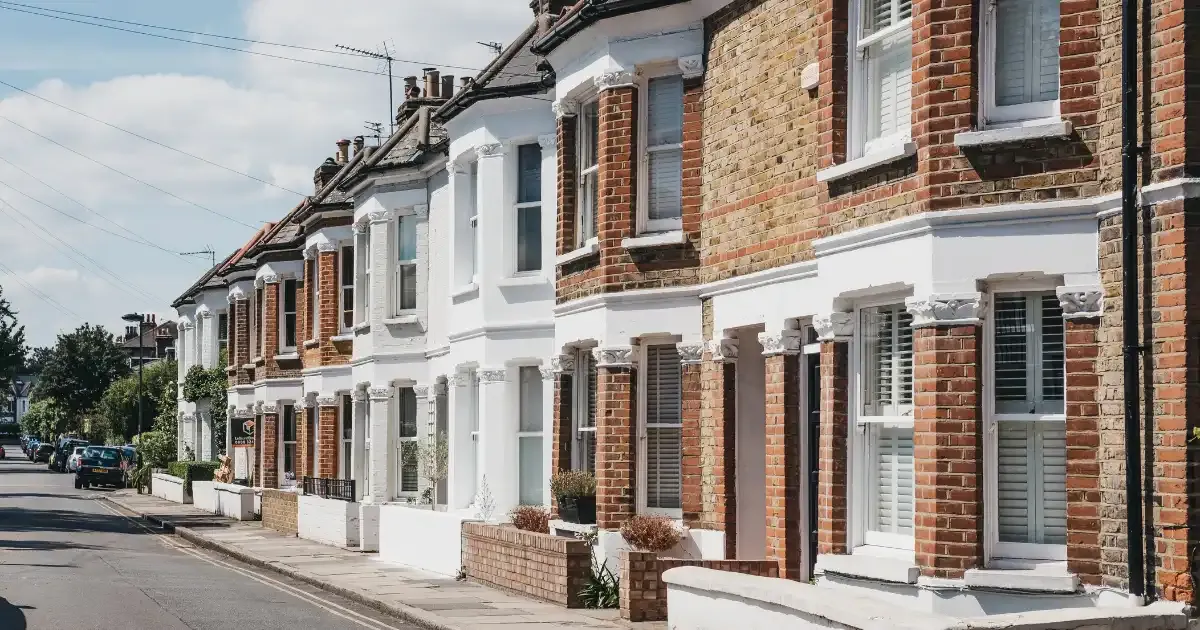


Rural areas are gaining far more movers than they're losing. England's predominantly rural local authorities recorded 22% more people moving in than moving out in the year ending June 2023, according to Defra, and Nationwide research found that 9% of homeowners who had moved in the previous five years had relocated from a large town, city or smaller town into a rural area.
Space is a big part of the pull. A bigger property or garden was the most commonly cited reason for moving among those Nationwide surveyed, and rural households are also considerably more likely to be owner-occupiers than their urban counterparts. But swapping city streets for cottages, farmhouses and village homes brings you up against a very different property rulebook. Private roads, shared water supplies, septic tanks, rights of way and historic restrictions can affect everything from whether you can legally drive to your own front door to who pays when the lane outside needs resurfacing.
Here are six countryside property catches worth investigating before you exchange.
1) A driveway reaching the house doesn't mean you have the right to use it
If you're used to urban properties, access can look straightforward. A road or driveway physically reaching the house makes it easy to assume the right to use it comes with the property. That's not necessarily true in the countryside. A track leading to a house may cross somebody else's land, and some rights of way cover access on foot but restrict vehicles, or apply only to a particular route.
Ask your conveyancer to establish exactly what the title and deeds permit, and to trace the legal right of access all the way to the public highway. Our guide to conveyancing enquiries covers some of the wider questions worth raising before you commit to a purchase. Make your future plans clear too. An access arrangement that works fine for one household can raise different questions if you're planning an annexe, a holiday let or a home business that changes the traffic using it.
2) A quiet country lane could become your repair bill
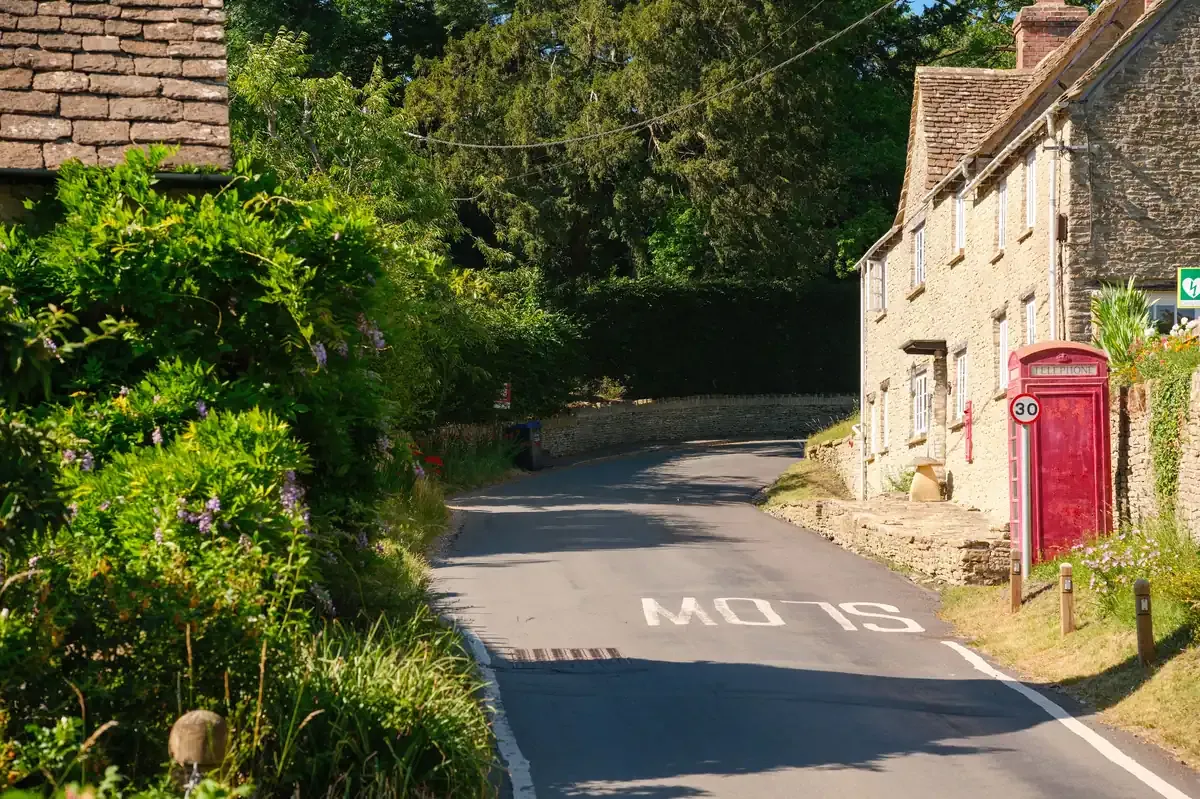
One of the attractions of leaving a town or city is swapping busy roads for a quiet lane. That picturesque approach can come with financial responsibilities you might not expect. If a road is private or unadopted, the local authority won't necessarily maintain or resurface it. The cost can fall to one homeowner, or be split between several neighbouring properties.
Establish the road's status through the right property searches, check the deeds to see how maintenance responsibilities are divided, and ask for details of recent bills or any significant work already planned. If access also depends on a bridge, culvert or worn track, it's worth having that looked at physically before you exchange.
3) Turning on the tap doesn't tell you who owns the water supply
Greater independence from urban infrastructure is part of rural living, and it can mean encountering services you've never had to think about before. Some countryside properties rely on a private spring or borehole rather than mains water. The question that matters isn't whether water comes out of the tap during a viewing. It's who owns and maintains everything required to get it there.
Pipes, pumps and storage tanks may cross or sit on neighbouring land. Ask your conveyancer to establish ownership, maintenance responsibilities and whether the property has the rights it needs to access that infrastructure for repairs. Water-testing, servicing and maintenance records can be requested through the same conveyancing enquiries process, rather than waited on until after completion.
4) The septic tank might not be the end of the drainage system
Private drainage is another unfamiliar consideration if you're moving from a town or city. A septic tank in the garden may be only one part of the system. Pipes, drainage fields and discharge points can extend beyond the property boundary, and some arrangements are shared between several neighbouring homes.
Establish where the complete system runs, who's responsible for maintaining it, and what rights exist if repairs need access to somebody else's land. This is where the legal and physical sides of buying a property overlap. Your conveyancer investigates the rights and responsibilities attached to the property, while the right survey helps identify physical matters worth a closer look. We explain the different levels of home survey and what to weigh up when choosing between them.
5) More space doesn't automatically mean more freedom to build
A bigger garden, barn or outbuilding is one of the biggest draws of the countryside. But if you're attracted by the chance to extend, convert or develop, check whether the legal title actually allows what you're picturing. Historic restrictive covenants can affect building work, business use or further development, and planning permission doesn't automatically remove a private restriction on the property.
Tell your conveyancer about any intended alterations before exchange, not just about the property's existing use. If an extension, annexe, converted barn or home business is part of why you're buying, that needs to be part of the legal investigation too. Don't assume indemnity insurance solves the problem either. A policy can protect against specified financial losses in particular circumstances, but it doesn't remove the underlying restriction.
💡 Pro tip: Tell your conveyancer and surveyor what you actually plan to do with the property before you exchange, not after. That single conversation covers access changes, drainage work and covenant restrictions all at once.
6) That extra land could come with somebody else's financial interest
A paddock, orchard or adjoining plot is a major draw if you're coming from a property with limited outside space. But additional land can occasionally carry an obligation known as overage, or clawback, entitling a former owner to a further payment if something like planning permission increases the land's value later on.
The trigger, duration and calculation vary considerably between agreements. Ask your conveyancer to establish whether an overage provision exists and exactly what would trigger a payment. If the potential to develop additional land is part of what makes a property attractive, understand those restrictions before you factor that potential into what you're willing to pay.
Moving to the countryside? Treat the paperwork as part of the viewing
The things pulling buyers towards the countryside, space, gardens, outbuildings, privacy and land, can also introduce considerations you'd never meet buying in a town or city. A private lane can bring maintenance responsibilities. Independence can mean private water and drainage. Extra land may carry restrictions. An idyllic driveway may depend on legal rights across somebody else's property. None of that is a reason to walk away from an unusual rural arrangement. It's a reason to understand exactly what comes with the property before you commit to it.
Catch | What it means | Who to ask |
|---|---|---|
Access | The driveway or track may not carry a legal right to use it | Conveyancer, tracing the right of way to the public highway |
Private roads | Maintenance costs can fall on you or a group of neighbours | Conveyancer, via property searches and deeds |
Water supply | May come from a private spring or borehole, not the mains | Conveyancer, on ownership and access rights |
Drainage | A septic tank may be part of a larger, shared system | Conveyancer and surveyor together |
Restrictive covenants | Can block extending, converting or running a business, even with planning permission | Conveyancer, told about your plans before exchange |
Overage/clawback | Extra land may owe a former owner a payment if its value rises | Conveyancer, on whether a provision exists and what triggers it |
Moving Compared recommends telling both your conveyancer and surveyor how you intend to use the property, particularly if you plan to extend, convert an outbuilding, develop additional land, work from home or rely on shared access and services. The conveyancer can investigate the rights, restrictions and responsibilities attached to the title, while an appropriate home survey can help establish the physical condition of the property and identify areas requiring further specialist investigation.
For buyers starting that process, Moving Compared helps consumers compare conveyancing and surveying services alongside practical guidance covering the different checks involved in purchasing a home. The aim is not to be put off by an unusual arrangement. It is to make sure the country lane, shared water supply, septic tank, outbuilding or seemingly perfect paddock has been investigated as carefully as the house itself before it becomes yours.