
Do you need a second home mortgage or a holiday let mortgage?
The dividing line is letting. Plan to take paying guests at all, even for a few weeks a year, and a standard second home mortgage won't cover you.
4 mins read
17-09-2026
Written by

Editorial Team
Similar Guides


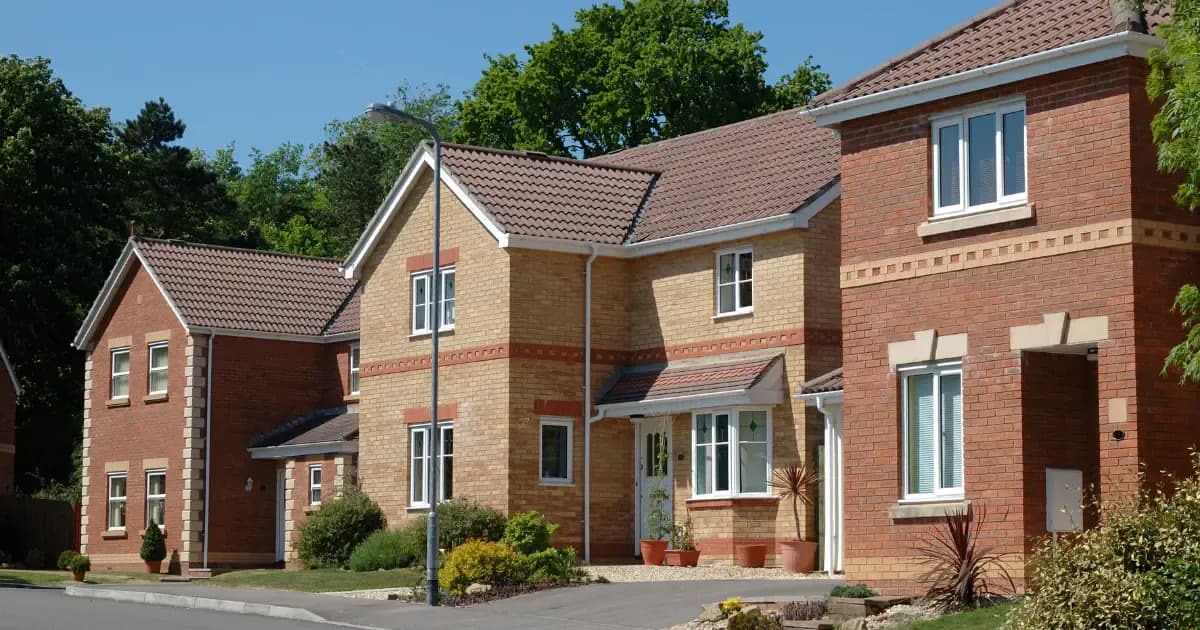
The dividing line is letting. A second home mortgage assumes you're the only one who ever stays there. A holiday let mortgage assumes paying guests will, and lends against what they'll bring in. Get the pairing wrong and it isn't a paperwork problem, it's a breach of your mortgage terms.
The second home mortgage covers personal use only
Lenders treat a second home mortgage almost exactly like your main residential mortgage. Affordability is tested on your income against both sets of repayments, with deposits typically 15 to 25% depending on the lender and the property. The second property itself doesn't need to earn anything. You're carrying both mortgages on your own income, full stop.
Suffolk Building Society draws the line in one sentence on its holiday let pages: a holiday home mortgage is for a second home which is for personal use only. The moment you plan to let it out, even occasionally, that product no longer fits.
That matters because letting on a residential product without permission breaches your mortgage conditions. Cumberland Building Society's consent to let policy is blunt about it: letting out your property without permission is a breach of your mortgage terms and conditions, and could affect both your mortgage and your insurance. Get caught renting out a second home mortgage on Airbnb without asking first, and you're not just annoying your lender, you're voiding cover you might actually need.
The holiday let mortgage runs on seasonal income
Holiday let lenders don't work from a single monthly rent figure the way a normal buy-to-let does. They work from seasonal projections. Suffolk asks for a letter from a holiday letting agent confirming expected weekly rents across low, mid and high season, averages the three, then multiplies by 30 weeks for an indicative annual figure, or 35 weeks if the property already has two years of letting history behind it.
That projected income then has to clear a stress test. It needs to cover 125% of the stressed mortgage interest for basic rate taxpayers, or 145% for higher rate, calculated at the product rate plus two percentage points or 5.5%, whichever is greater. Suffolk also asks for a personal income of £25,000 or more, and Cumberland sets the same floor, with maximum borrowing typically 75 to 80% of the property's value depending on the lender.
Supply moves too, so it's worth checking early rather than assuming a lender will take the case. Leeds Building Society's holiday let range currently tops out at 75% loan-to-value, and it's openly restricting new holiday let lending in some areas as part of a trial, so the specific postcode matters as much as the numbers.
A worked example
An agent projects £600, £850 and £1,200 a week across the three seasons. Averaged, that's £883 a week, which over 30 weeks gives £26,500 of assessable annual income. A £200,000 loan stressed at 7.69% costs £15,380 a year in interest, and 145% of that is £22,301. £26,500 clears it, so the case passes.
Figure | Value |
|---|---|
Low season weekly rent | £600 |
Mid season weekly rent | £850 |
High season weekly rent | £1,200 |
Average weekly rent | £883 |
Assessable annual income (30 weeks) | £26,500 |
Loan amount | £200,000 |
Stressed interest rate | 7.69% |
Annual stressed interest | £15,380 |
Required cover (145%, higher rate) | £22,301 |
Result | £26,500 clears £22,301 - case passes |
You don't have to give up using the place either. Suffolk allows up to 60 days a year of owner occupancy on a holiday let mortgage, so it isn't an either-or between letting income and your own holidays there.
What happens if you use the wrong product
This isn't a technicality lenders quietly overlook. Suffolk states plainly that a holiday let cannot be bought or remortgaged on a standard residential or buy-to-let mortgage, and a lender who spots unauthorised letting can act on the breach. Cumberland's warning is the same: it could affect your mortgage and your insurance together.
There's some room for incidental letting. Cumberland, for example, permits short-let platforms including Airbnb for up to 90 occupied nights in any 12 months on a residential mortgage before consent is needed. That's one lender's own allowance rather than an industry rule, so always confirm it with your own lender in writing before the first booking rather than assuming it applies.
If your plans for the property change later, from personal use to letting or back again, the clean fix is a remortgage onto the right product rather than quietly carrying on. We've covered the wider costs of ownership in our separate guides on buying a second home and on holiday let rules, business rates and tax.
Either purchase needs its own legal work behind it, and you can compare second home conveyancing quotes through Moving Compared.