
Can you sell a buy-to-let with tenants still in it?
Selling with tenants in place is faster and avoids the new eviction rules, but it means a smaller pool of buyers and a lower price. This guide walks you through both routes so you can pick the right one for your situation.
5 mins read
07-09-2026
Written by

Editorial Team
Similar Guides

Selling tenanted property is perfectly legal, reasonably common and, for some landlords, the better commercial choice. The tenancy simply transfers with the building: your buyer becomes the new landlord on completion, the tenants stay put, and the rent keeps flowing without a gap.
The real question is whether you should. Selling with tenants in situ changes who will buy the property, what they will pay and how the legal work runs. Since the first phase of the Renters' Rights Act took effect on 1 May 2026, it has also become the faster of the two routes by a wide margin.
Here is how it works and how to decide.
What selling with sitting tenants actually means
When a tenanted property is sold, the tenancy is not ended and restarted. The buyer steps into your shoes under the existing agreement, inheriting the rent, the deposit and all of your obligations as landlord. The tenants do not need to consent to the sale, though keeping them informed is both courteous and practical, since you will need their cooperation for viewings.
All tenancies in England are now periodic following the changes on 1 May 2026, so there is no fixed term to worry about. The buyer takes the tenancy as it stands, and the tenants keep the same rights they had with you, including the right to end the tenancy with two months' notice.
Why the 2026 rules make tenanted sales more attractive
Before the Renters' Rights Act, a landlord who wanted vacant possession served a section 21 notice and could usually expect the property empty within a few months. That route no longer exists. Section 21 was abolished, and a landlord who wants to sell with vacant possession must now use the specific selling ground, known as Ground 1A.
Ground 1A comes with real constraints:
- You must give the tenant at least four months' notice.
- The notice cannot expire within the first twelve months of the tenancy.
- Once you serve the notice, you are banned from re-letting or re-marketing the property for rent for twelve months from the date of service. If the sale falls through, you cannot simply put a new tenant in.
- If the tenant stays past the notice date, you need a court order, and courts expect evidence of genuine sale steps such as an agent instruction or a portal listing.
The government explains the possession process in its official guidance on evicting tenants in England. The practical upshot is that vacant possession now adds many months and some genuine risk to a sale. Selling with the tenants in place avoids all of it: no notice, no court, no re-letting ban, no empty months with a mortgage still to pay.
The trade-off: a smaller market and a lower price
The catch is the buyer pool. Owner occupiers, who make up most of the market, cannot buy a home they cannot live in, so a tenanted property sells almost exclusively to other landlords and investors. Investors buy on yield and rarely pay top of the market. Discounts vary with the area and the strength of the tenancy; industry estimates commonly put tenanted properties somewhere between five and fifteen per cent below their vacant value.
A good tenancy narrows that gap. A tenant with a clean payment record, a market rent and a well documented file is an asset to an investor, not a liability. A tenancy at a rent well below market, or with a patchy arrears history, widens the discount.
What buyers will want to see
An investor buying a tenanted property is buying the paperwork as much as the bricks. Expect their solicitor to ask for:
- The tenancy agreement and any variations to it.
- Proof the deposit is protected and the prescribed information was served.
- The rent history, ideally a schedule showing payments over the last twelve months or more.
- Gas safety certificates, the electrical installation condition report and the Energy Performance Certificate.
- Any licence required for the property, plus details of the upcoming landlord database registration requirements.
Gaps in this file are the main reason tenanted sales stall. If the deposit was never protected properly or a licence is missing, fix it before you market the property, not after a buyer's solicitor finds it.
How the conveyancing differs
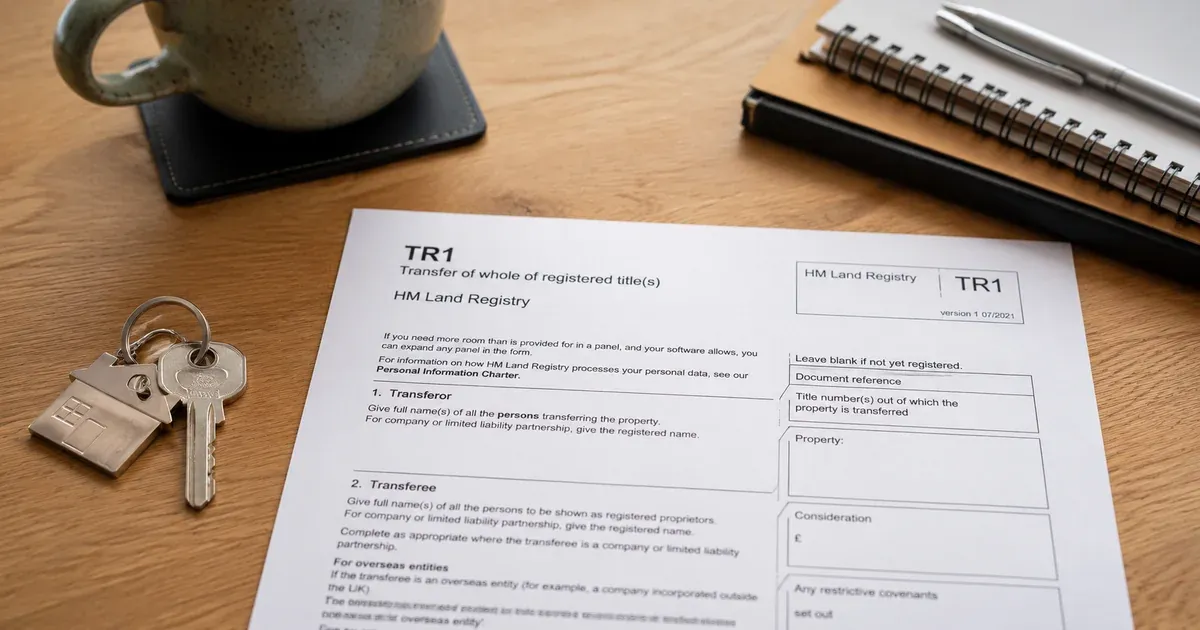
The legal work on a tenanted sale runs like a normal sale with an extra layer, and the TR1 transfer form still does the same job of moving legal ownership at completion. The contract is drafted subject to the tenancy rather than with vacant possession, rent is apportioned between buyer and seller at completion, and the deposit is transferred to the buyer or their protection scheme. After completion, the buyer must give the tenants formal notice that their landlord has changed.
This is well trodden ground for a conveyancer who regularly acts for landlords, and a minefield for one who does not. When you are choosing a firm, ask directly how many tenanted sales they handled in the last year. Our guide to the ten questions to ask a conveyancing solicitor covers what else to check before you instruct, and our complete guide to conveyancing is a good starting point if any of this process is new to you.
So which route should you take?
Sell with tenants in situ if you value speed and certainty, if the tenancy is solid and well documented, or if the numbers still work at an investor price. The sale can complete in a couple of months and the rent covers your costs until the day you hand over.
Push for vacant possession if the property would appeal strongly to owner occupiers, if the gap between vacant and tenanted value in your area is large, and if you can afford to wait the better part of a year and carry the property empty at the end of it. Just go in with your eyes open about the Ground 1A restrictions, especially the twelve month re-letting ban if the sale collapses.
Either way, the deciding factor is usually preparation. A tidy tenancy file makes a tenanted sale quick and lifts the price an investor will pay. Start there, then choose your route.