When you can and can't get a mortgage on an auction property
A 28-day completion clock against a six-week mortgage process. How buyers make it fit, and when bridging is the answer.
5 mins read
13-08-2026
Written by

Editorial Team
Similar Guides



If you win a property in a conventional auction, you will exchange contracts immediately, pay a 10% deposit that same afternoon and then have to complete the transaction 28 days later. A mortgage application in 2026 generally takes between two and six weeks to result in a formal offer. The two timelines can be aligned, but only if you have prepared before you even raise your hand and only if the property in question is one that a lender is willing to consider.
The article looks at the situations in which auction and mortgage finance are combined, explains what causes a property to be unmortgageable, and examines the actual cost of the bridging fallback.
How the auction deadlines work
In a traditional unconditional auction, the hammer represents a binding agreement between the parties: you make a payment of 10% on the day and pay the remaining 90% at completion, which is usually 28 days later; if you fail to complete the transaction, then you lose your deposit, a situation that is dealt with in our separate article on what occurs if you are unable to complete an auction purchase.
The current auction process is designed to be more favourable to buyers who are taking out mortgages: in return for paying a non-refundable reservation fee—usually in the region of 2.5% to 5% of the price plus VAT and with a minimum amount of about £6,000—you are given 28 days to carry out the exchange and an additional 28 days to complete, making a total of 56 days. Since this fee is added on to the price and may cause your stamp duty to rise, it should be taken into account before making your bid.
Traditional auction | Modern auction | |
|---|---|---|
What you pay on the day | 10% deposit | Non-refundable reservation fee (2.5-5% + VAT, min. ~£6,000) |
When contracts are binding | Immediately | At exchange, up to 28 days later |
Total timeline to completion | 28 days | Up to 56 days |
Best suited to | Cash buyers, or mortgage buyers | Buyers who need more time to arrange a mortgage |
Risk if it falls through | Lose the 10% deposit | Lose the non-refundable reservation fee |
Making a mortgage fit 28 days
Lenders will agree to lend when a property is purchased at an auction, but they will not simplify their procedures just because your contract states that they should. The MoneyHelper's guidance is clear in its advice regarding obtaining a mortgage on an auction property in terms of the sequence of steps: you should secure a mortgage in principle before the auction takes place, inform your lender or broker as soon as your bid is successful and then arrange for the valuation to be carried out immediately. It must be stressed that a decision in principle is not a guarantee; the lender will still carry out a valuation on the particular property after you have won it, and if this valuation is lower than expected the loan could be reduced or completely cancelled, even though you have already committed 10%. You should also bear in mind that the deposit must be made from cleared funds on the day, since the mortgage funds are only sent at completion and not at the exchange, and as you are at risk from the moment the auction is concluded, building insurance must begin as soon as the contracts are exchanged.
In reality, the conventional 28-day process involving mortgage financing is most suitable when the case is straightforward, the documentation is ready on the first day, and the property in question is typical. If any of these conditions are not met, then the more modern approach taking 56 days—or using bridging finance—is the better option. It's also a good idea to ask the auction house early on about allowing the lender's valuer access, since if the valuation cannot be arranged within the first week it will put the entire schedule under pressure.
When a lot becomes unmortgageable
The amount of stock available at auction is significant simply since average lenders will not provide the necessary financing. Before making your bid, check the item against the typical warning signs.
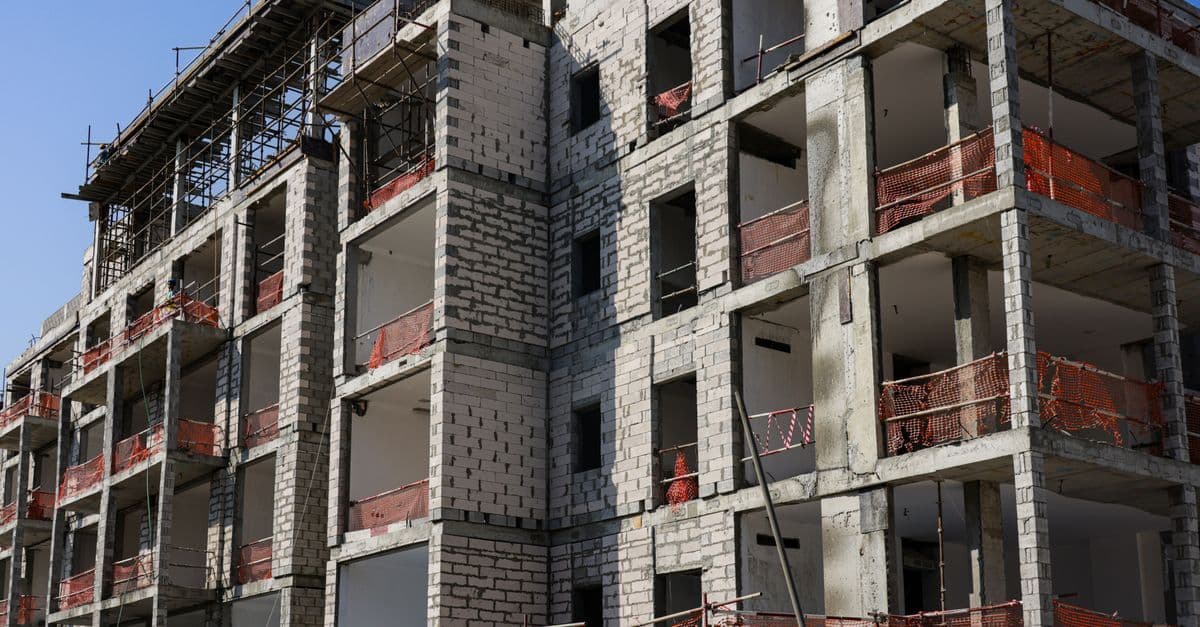
- Any kitchen or bathroom that is not working, or any property that is not weatherproof, secure and structurally sound, will not pass the basic habitability test required by most lenders.
- Mainstream lenders will not get involved until structural problems such as subsidence, serious dampness or rot have been sorted out.
- A short-term lease is usually a trap since, if it is less than about 70 years, most lenders will pull away.
- Buildings using non-standard methods (such as concrete panels, timber frames, prefabs, and the like) and those with very low values, sometimes falling below about £40,000, are also outside the criteria of many lenders.
None of this makes a lot unbuyable. It makes it a cash or bridging purchase, priced accordingly.
The bridging fallback and what it costs
Bridging lenders usually arrange financing for purchases at auction on time, typically up to 70% to 75% of the value, at monthly rates which in 2026 are mostly between about 0.5% and 1%, together with an arrangement fee of about 2%. For example, if you take out a loan of £120,000 for six months at a rate of 0.75% per month, the interest amounts to £5,400, and the 2% arrangement fee brings in an additional £2,400, so the bridge costs approximately £7,800 before legal and valuation fees. What is more important than the interest rate is having a solid plan, this usually involving refinancing into a mortgage after the work has been carried out or selling the property. We go into this in greater detail in our separate article on auction bridging loans.
Do the legal work before you bid
Each property comes with a legal pack and it is necessary to engage a solicitor to look at it before the auction, not after you have acquired the property. Title defects, covenants, missing searches and any special conditions which impose additional costs on the buyer are all contained in the legal pack. We have a separate guide which explains what should be checked item by item.
The bottom line
You will be able to obtain a mortgage for an auction property provided that the plot is mortgageable, your financial situation is simple, and your application is ready before the day of the auction; the current 56-day period makes this process much more convenient. If you need a six-month £120,000 bridge, plan to spend about £7,800, and make sure never to place a bid without first having the legal pack examined. Getting a solicitor sorted early is half the problem, so before the catalogue closes it's important to get quotations for conveyancing from firms that have experience of meeting auction deadlines.