
Deed of variation and changing the terms of a lease
Why leases need varying, how it differs from a lease extension, and the trap that turns a variation into a new lease.
5 mins read
10-11-2026
Written by

Editorial Team
Similar Guides


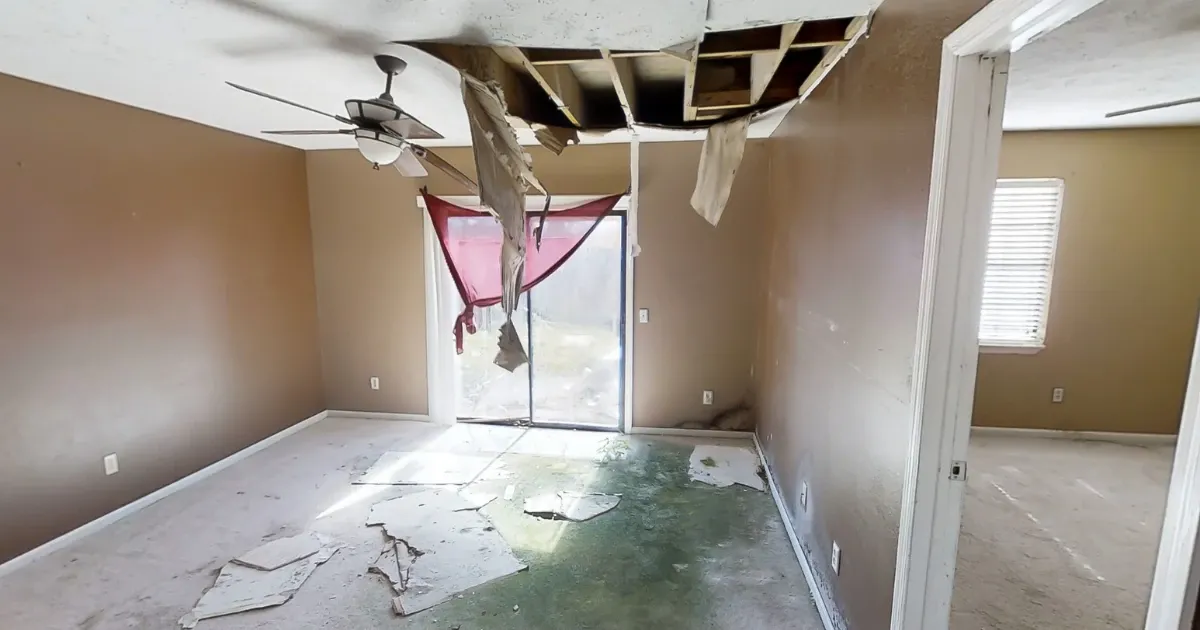
A deed of variation changes part of an existing lease and leaves the rest standing. It is a common way to put right a lease that is defective or unclear, and it needs the agreement of both the leaseholder and the freeholder. This is general information about the process rather than advice on a particular lease.
When one is needed
Common reasons are a defective lease, a ground rent that makes the flat hard to sell or mortgage, and wording that is unclear or out of date. A problem often comes to light during a sale, when the buyer’s solicitor or lender raises a clause, and the deed of variation then has to be agreed before the sale can go ahead.
In legal terms a lease is defective where it fails to make satisfactory provision for matters such as repair or maintenance of the flat or the building, insurance of the building, the services needed for a reasonable standard of accommodation, recovering expenditure, or how the service charge is worked out. A service charge is flawed where the percentages across a block add up to more or less than the whole.
Ground rent variations
A ground rent that doubles every few years can end up very high, and the Leasehold Advisory Service says that can make a property difficult to sell or get a mortgage on. Take a lease with a £250 ground rent that doubles every ten years. It reaches £500 after ten years, £1,000 after twenty, £2,000 after thirty and £4,000 after forty. Lenders look closely at lease terms like this when deciding whether to lend.
Changing such a clause to a fixed figure or an index-linked one is a negotiation with the freeholder, who is giving up future income and may ask to be paid for it. What a fair payment is comes down to valuation rather than law, so a surveyor’s advice may be needed.
How it differs from a lease extension
A statutory lease extension is a right. A qualifying tenant of a flat can require the landlord to grant a new lease at a peppercorn rent for a term expiring 90 years after the term date of the existing lease, on payment of a premium. The new lease is on the same terms as the old one, with only limited modifications, so the landlord cannot rewrite it. Our guide to lease extension costs and the process covers how the premium is worked out.
A deed of variation is an agreement. There is no right to one and no statutory formula for the price, and a freeholder can say no unless the tribunal route below applies.
The Leasehold and Freehold Reform Act 2024 provides for a 990 year extension term, but that part is not yet in force. At the time of writing the statutory extension for a flat is still 90 years at a peppercorn. What has commenced is the removal of the two year ownership requirement, in force since 31 January 2025, so a leaseholder can claim an extension straight after buying rather than waiting.
Where a freeholder will not cooperate, there is a statutory fallback. Under Part IV of the Landlord and Tenant Act 1987, any party to a long lease of a flat can apply to the tribunal for an order varying it where it fails to make satisfactory provision for the matters listed in section 35. In England that is the First-tier Tribunal. The route does not apply where the lease covers three or more flats in the same building.
Section 37 of the same Act allows several leases to be varied together. Where the application covers fewer than nine leases, all or all but one of the parties concerned must consent. Where it covers more than eight, no more than 10% may oppose and at least 75% must consent. The landlord counts as one of the parties.
Getting the lender's consent
If either the leaseholder or the freeholder has a mortgage, ask the lender early, because a variation changes the property that secures the loan. Your conveyancer will check whether the mortgage terms need the lender’s agreement before anything is signed.
The trap that turns a variation into something else
A deed that increases the term of a lease, or adds land to the area let, does not work as a simple variation. HM Land Registry treats it as a surrender of the existing lease and the immediate grant of a new lease of the whole property. It has to be registered as a lease extension, following HM Land Registry’s practice guide on extensions, and a stamp duty land tax or land transaction tax certificate has to be lodged with the application.
Where the landlord’s title has a mortgage protected by a restriction against registering a lease, the lender’s consent is always required. If consent is not produced, HM Land Registry makes an entry on the new title saying it is subject to any rights that arise from the absence of the lender’s consent, which later buyers’ solicitors can see.
Before agreeing a price with the freeholder, ask your conveyancer to confirm in writing whether the proposed wording extends the term or adds land, because that changes how the deed is registered and what it costs. Our guide to selling a leasehold flat covers the paperwork a leasehold sale involves. You can compare conveyancing quotes and ask whether the firm has dealt with a deed of variation involving a lender.