
Indemnity insurance or regularisation for unapproved building work
The time limit for enforcement notices on unauthorised work is now 10 years, which matters when you choose between insuring and regularising.
5 mins read
02-11-2026
Written by

Editorial Team
Similar Guides
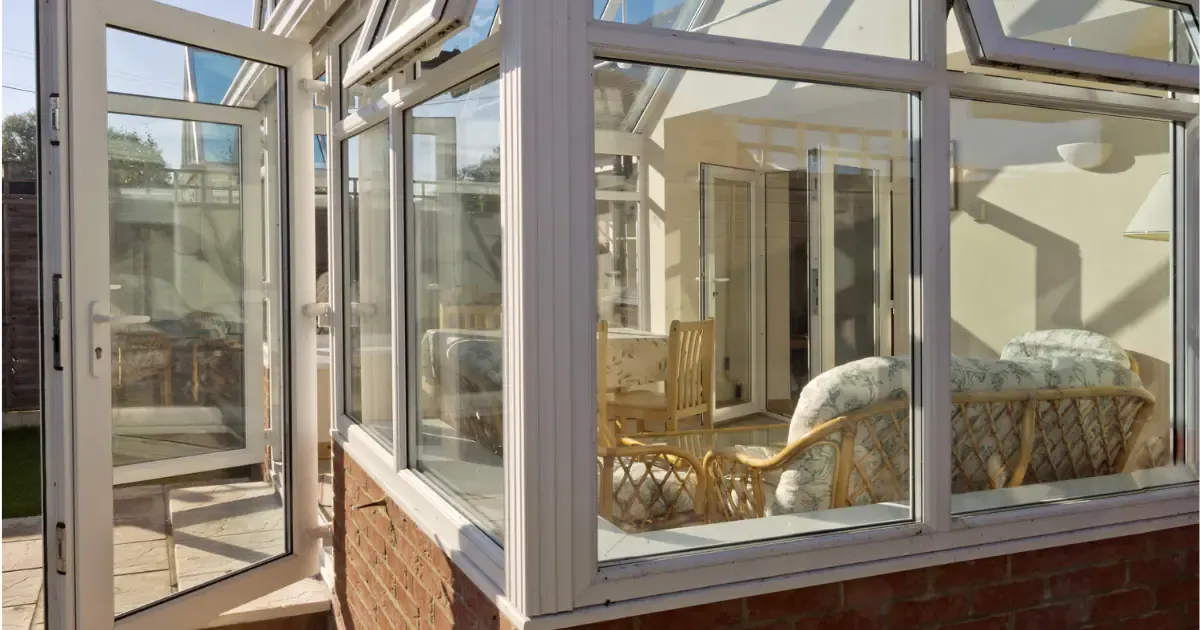
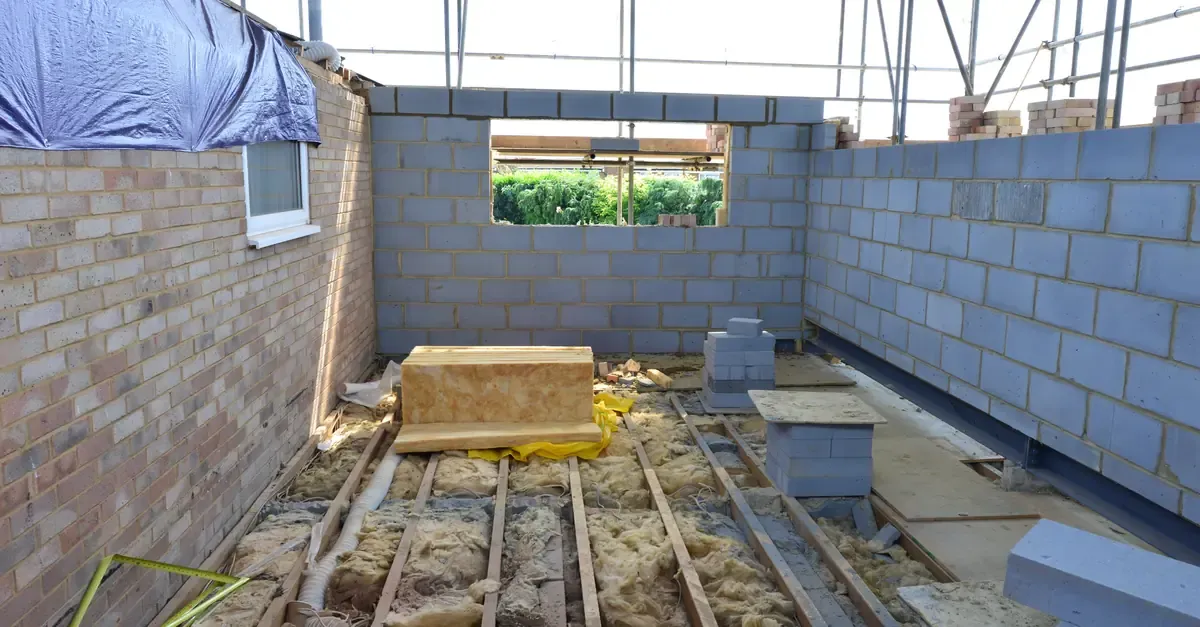

Work carried out without building regulations approval leaves two routes. You can insure against the consequences, or you can apply to the council to approve the work after the event. They do different things, and in many sales the choice comes down to timing. This is general information rather than advice on a particular property.
The enforcement limit changed
A council can require unauthorised work to be removed or altered by serving a notice under section 36 of the Building Act 1984. The time limit for giving that notice has changed, so older advice on how long a council can act may be out of date.
Section 36 now says that a notice shall not be given after the expiration of 10 years from the date of the completion of the work in question. The Building Safety Act 2022 made the change, and legislation.gov.uk gives 1 October 2023 as the date it took effect in England and 1 July 2026 as the date in Wales.
Prosecution has changed too. Section 35A, which set time limits for prosecuting a breach of the building regulations, has been omitted, and section 35 contains no time limit of its own. Under section 35 the offence can be tried in the magistrates’ court or on indictment, where the penalty is imprisonment for up to two years or a fine, or both.
The England commencement regulations save the old position only for notices already given, and proceedings already begun, before 1 October 2023. The Welsh regulations contain no transitional provision at all. Neither says anything general about work completed before the new dates, so it is not clear from them whether work that had already passed the old time limit can now be caught. That is a reason to take advice on a specific property rather than rely on any article, this one included.
What a regularisation certificate is
Regularisation is the formal route under regulation 18 of the Building Regulations 2010. It applies to unauthorised building work carried out on or after 11 November 1985. The owner applies in writing to the building control authority, with a description of the unauthorised work and, so far as is reasonably practicable, a plan of it and a plan of any additional work needed to meet the requirements.
Two features decide whether it is realistic. The authority can require reasonable steps, including laying the work open for inspection, making tests and taking samples, which on a finished extension can mean exposing foundations and structure. Against that, the work is assessed against the requirements that applied when it was carried out rather than today’s standards. The authority may give a certificate only if it can satisfy itself that those requirements have been met or that no work is needed, and the certificate is evidence, but not conclusive evidence, of compliance.
There is no national regularisation fee. Each council sets its own charges under the Building (Local Authority Charges) Regulations 2010, which require it to aim, taking one financial year with another, to recover its costs. The figure has to come from that council’s published scheme rather than from a rule of thumb.
What indemnity insurance does, and does not do
Trethowans, a law firm, says indemnity policies for missing building regulations only deal with enforcement action by the local authority, and do not address whether the offending works were carried out to a high build standard. It also says a remedy will not be provided if the works present a danger to health and safety. A policy does not make the work compliant, and it offers nothing if the real problem is that the extension is badly built.
Insurers attach conditions. Trethowans says that usually no policy should be issued within 12 months of the uncertified works, that some policies require the property itself to be at least four years old, that additional building work by a later buyer can invalidate a policy unless the insurer consents, and that a policy is likely to be treated as invalid if the local authority has previously refused to certify the works. It does not say that contacting the council invalidates a policy, but conditions vary. Read the policy wording and ask your solicitor before anyone approaches the council about the missing certificate, and decide on your route first if you plan to regularise. We cover the wider family of title policies in our separate article on indemnity insurance for property.
Which one to use
There is no single answer, and the 10 year limit shifts the balance for recent work. Where an extension was finished three years ago, the enforcement window stays open for another seven, so a policy would be insuring a live risk rather than a theoretical one.
Trethowans says retrospective certification will increase costs and cause delay but is, in its view, the best course for a buyer. Regularisation also leaves the owner holding a certificate rather than a policy. Which route fits depends on your timetable, how old the work is, and whether you intend to stay, extend or remortgage later.
Before choosing either route, establish which problem you actually have. A missing certificate for work that was inspected is an administrative matter, and the first step is to ask the council, or whoever carried out the inspections, whether a certificate was issued. Work that never went near building control is the situation where this choice arises, and the two are often confused in sales packs. Our guide to planning permission and building regulations explains how the two consent regimes differ, and our guide to what buyers ask sellers in conveyancing enquiries covers how missing paperwork comes up. Compare quotes for conveyancing and ask each firm how it handles a missing building regulations certificate.