Flying freehold explained and whether lenders will accept it
Lender tolerances run from under 10% of floor area to 20%, and some lenders have no limit at all. Work out your own figure before you pay for a valuation.
4 mins read
21-09-2026
Written by

Editorial Team
Similar Guides
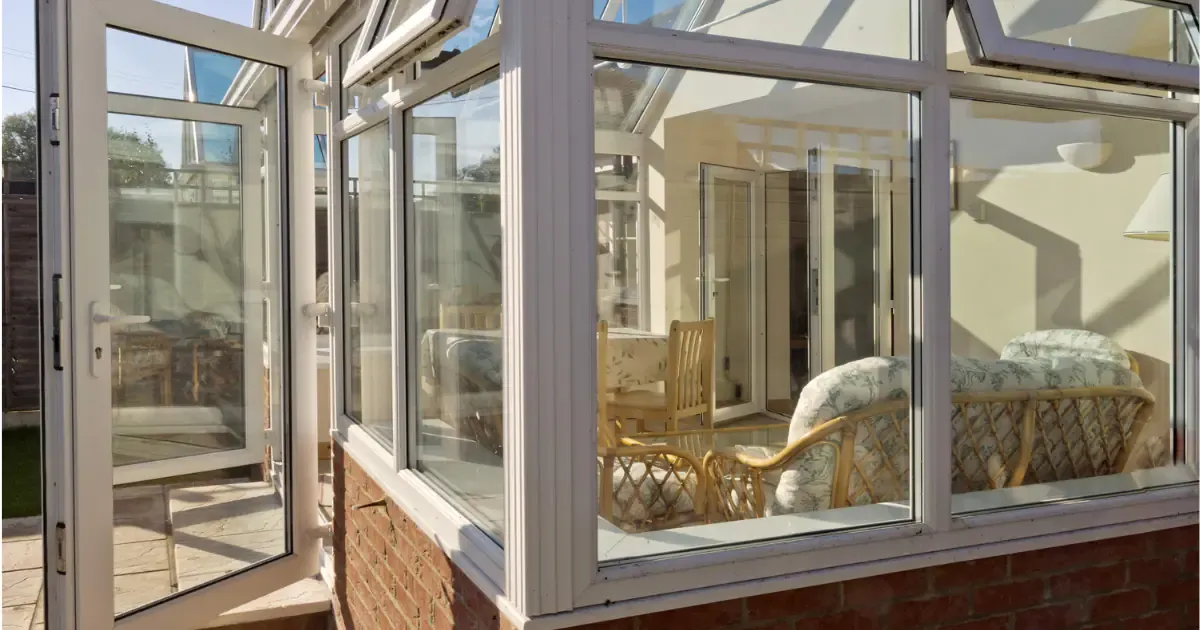

A flying freehold is part of a freehold property that sits over, under or into land someone else owns. A bedroom built above a shared passageway, a room extending over a neighbour's garage, and a cellar running under the house next door are the standard examples. The building itself is usually sound. What makes it a problem is that you depend on your neighbour maintaining the part of their property that supports or shelters yours, and freehold law in England and Wales gives you very little with which to make them.
Why it's a legal problem, not a structural one
A covenant requiring someone to do something, such as keeping a roof in repair, is a positive covenant. The House of Commons Library briefing on freehold covenants puts it plainly: the burden of a positive covenant does not run with the land, so only the original person who made the promise is bound, and later owners aren't automatically obliged to do anything at all.
Conveyancers work round this with a chain of indemnity covenants, where each seller makes the buyer promise to observe the covenant and to compensate them if they don't. The same briefing notes the obvious weakness. The chain is easily broken, and one missing link ends it. Even where the chain holds, enforcement is indirect, working back down a line of promises rather than giving you any direct right against your neighbour.
What lenders actually do
There's no single industry tolerance. Each lender sets its own limit, usually as a percentage of the property's total or gross floor area, and published criteria vary more than people expect. Monmouthshire Building Society requires the flying freehold element to be under 10% of total floor area. Leeds Building Society and Accord will consider up to 15%. Family Building Society goes to 20%. Some lenders publish no cap and some decline outright.
Lender | Maximum flying freehold accepted |
|---|---|
Monmouthshire Building Society | Under 10% of total floor area |
Leeds Building Society | Up to 15% |
Accord | Up to 15% (of total footprint) |
Family Building Society | Up to 20% of gross floor area |
Please note: Limits as published by each lender's own intermediary criteria; always confirm directly before relying on a figure.Work out your own figure before you assume anything. A 120 square metre house with 15 square metres sitting over the neighbour's passageway has a flying freehold of 12.5%, because 15 divided by 120 is 0.125. That clears Leeds and Accord and fails Monmouthshire, which is the whole difference between a mortgage and no mortgage on the same house.
Lenders also require the conveyancer to report the flying freehold, supply a plan showing the affected part, and confirm the title carries adequate rights of support, protection and entry to carry out repairs. Where a lender does accept the title, indemnity insurance is commonly required to be in place at completion and to stay in place afterwards.
The two fixes
The better fix is a deed of mutual grant and covenant between the two owners. It grants reciprocal rights of support, protection and access for repairs, imposes maintenance obligations on each side, and requires future buyers to enter into the same covenants, reinforced by a restriction on both titles at the Land Registry.
The catch is that you need the neighbour's cooperation, and there's no way to compel it. If they won't engage, or the transaction can't wait, indemnity insurance is the fallback.
Insurance doesn't repair the defect. It pays out if the absence of enforceable rights causes you a loss. It doesn't give you the right to make your neighbour fix anything, and it doesn't give you access to their land. Our separate guide to indemnity insurance covers how these policies are priced and when they fail to help.
What to do before you exchange
Ask for the plan early. The seller's conveyancer should be able to show which part of the building flies and over whose land, because that one plan decides whether your lender will proceed at all.
If the seller already holds an indemnity policy, check it's assignable to you and check the sum insured. Policies bought years ago at a lower property value are common, and a policy insuring £180,000 is of limited use on a £340,000 purchase.
A flying freehold is rarely a reason to walk away, but it's a reason to find your lender's limit in week one. Asking a broker the question before you instruct anyone costs nothing. Discovering the answer after you've paid for a valuation and a survey does not. Get conveyancing quotes for a freehold purchase and raise the flying freehold at the outset.