
Stamp duty stays the same in the autumn budget. Here's what it means for your move
If you've been holding off on a move because of speculation around stamp duty, there's now some welcome clarity.
4 mins read
07-08-2026
Written by

Editorial Team
Similar Guides

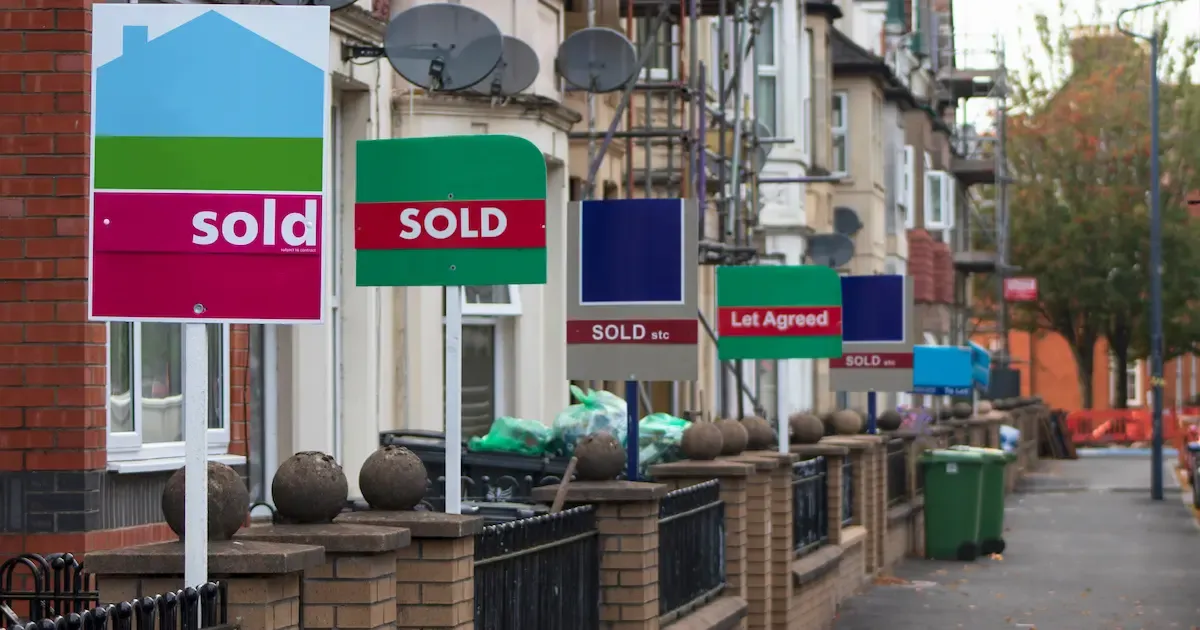
New Prime Minister Andy Burnham has confirmed that stamp duty will not be changed in this year's Autumn Budget, putting an end to weeks of uncertainty that had reportedly been stalling deals across the property market.
What actually happened
Andy Burnham became Prime Minister on 20 July 2026. Shortly after, reports emerged suggesting the government was considering a major overhaul of property taxation, potentially replacing stamp duty and council tax with a new annual property tax based on home values.
That speculation didn't last long. Asked directly whether the government would change or scrap stamp duty in the next Budget, Burnham was unambiguous, telling reporters it "won't be happening." He added that while the government wants to make the tax system fairer overall, there are no current plans for changes on that scale.
Housing Secretary Angela Rayner also confirmed the government has no plans to introduce rent controls in England, closing off a second area of speculation that had been unsettling the wider property and lettings market.
Why this matters if you're moving
Speculation about tax changes tends to have a chilling effect on the housing market, even before anything is confirmed. Buyers hold off in case rules change in their favour. Sellers get nervous. Chains stall. Industry commentators have described this as an "uncertainty tax," not an actual cost, but a slowdown caused purely by people waiting to see what happens.
With stamp duty officially off the table for this Budget, that particular reason to delay a move no longer applies. If your move has been on hold while you waited to see whether the rules might change, you now have your answer. The current stamp duty system stays as it is, at least for now.
What the current stamp duty rules look like
As things stand, first-time buyers pay no stamp duty on properties up to £300,000, with a reduced rate applying on the portion between £300,001 and £500,000. Above that, standard rates apply for all buyers, and an additional surcharge applies if you're purchasing a second home or investment property.
These are the same thresholds that have been in place since April 2025, and Burnham's comments confirm they'll remain unchanged through this year's Budget. As always, it's worth checking the current rates on GOV.UK before completing a purchase, since your final bill will depend on your specific circumstances.
We lay out a full breakdown of what moving costs might be beyond stamp duty in our guide.
Should this change your plans?
Not necessarily, but it does remove one common reason people give for pausing a move, waiting to see what the government does next. If everything else about your move makes sense, this news at least takes stamp duty uncertainty off your list of concerns for the time being.
Of course, government positions can shift, and this doesn't rule out changes in future Budgets. But for anyone actively planning a move this year, it's one less unknown to factor in.
Ready to move forward?
Whether you're buying, selling, or somewhere in between, getting quotes for removals, conveyancing, and surveys early means you're ready to move as soon as everything falls into place, without needing to wait on the next headline.