Your first night in a new house and what to do in the first 24 hours
Before you unpack a single box, there are three things to find and one thing to change. Here's what to do in your first 24 hours, and what to pack so the first night isn't a hunt for the kettle.
5 mins read
14-10-2026
Written by

Editorial Team
Similar Guides
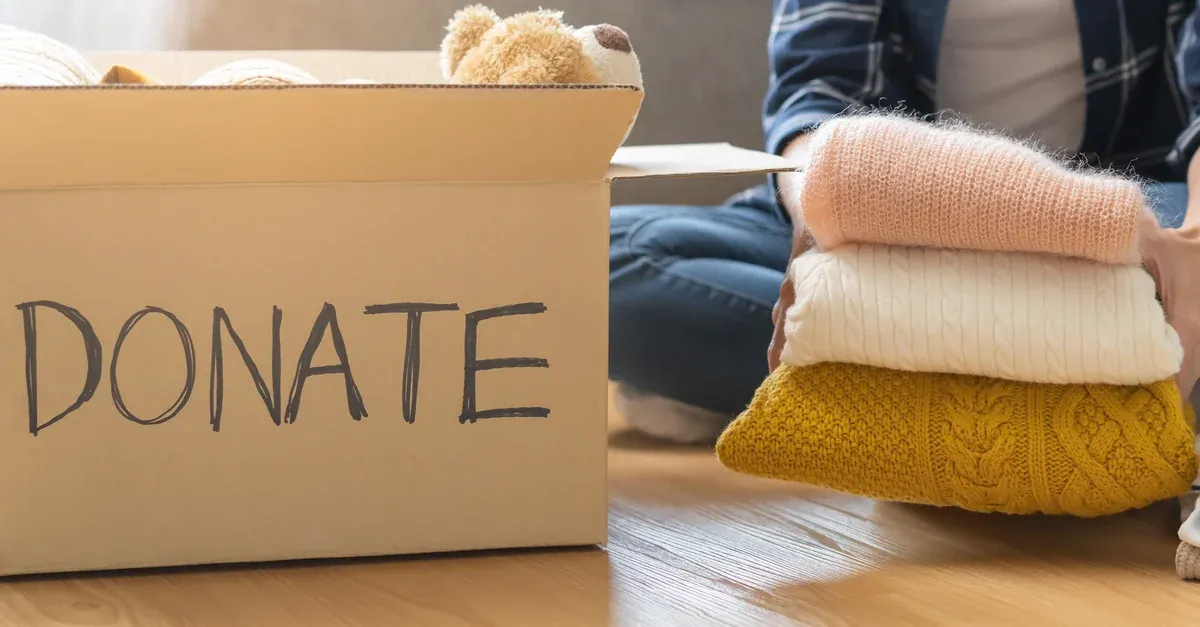
Pack a first night box before you go
Your first night in a new house goes a lot more smoothly if you're not digging through 40 identical boxes looking for the kettle. So before moving day, pack one box (or a suitcase) with everything you'll need for the first 24 hours, and keep it with you in the car rather than on the van.
Label it clearly, put it somewhere you'll see it as soon as you walk in, and don't let anyone stack anything on top of it.
Category | What to pack |
|---|---|
Essentials | Phone chargers, keys, important documents, medication and glasses |
Kitchen | Kettle, mugs, tea or coffee, snacks, a couple of plates and some cutlery, washing-up liquid |
Bathroom | Toilet roll, hand soap, towels, toothbrushes and toiletries |
Bedroom | Bedding, pyjamas and a change of clothes for the next day |
Tools | Scissors or a box cutter, a screwdriver, a torch, spare light bulbs and an extension lead |
Cleaning | Cloths, spray cleaner and bin bags |
If you're moving with children, give each of them their own small box with pyjamas, a favourite toy and anything else that helps them settle. Our guide to moving house with children has more ideas.
As soon as you get the keys
Before the boxes start coming in, take ten minutes to do three jobs. They're easy to forget once the van arrives, and each one can save you money or a lot of stress later.
Take meter readings
Find the gas and electricity meters and take a photo of each one showing the reading, along with the water meter if there is one. Do it before you switch anything on.
This matters more than it sounds. Your opening meter reading is what stops you paying for energy the previous owners used, and a dated photo settles any argument with the supplier. Send the readings to the supplier at the new house as soon as you can. Our guide to setting up utilities when moving house explains how to find out who supplies the property and how to avoid overlapping bills.
Find the stopcock
Locating the stopcock (also called the internal stop tap) is one of those jobs nobody thinks about until water is pouring through the ceiling. Find it on day one.
WaterSafe, the national register of approved plumbers, says it's usually under the kitchen sink, but it can also be in a downstairs toilet, utility room, garage, cellar or under the stairs. Turn it clockwise to close it and anticlockwise to open it. Give it a gentle test while you're there, and if it's stiff or won't turn, get a plumber to look at it rather than forcing it.
Find the fuse box and gas shut-off
While you're at it, find the fuse box (consumer unit) and check the switches are labelled. Then find the gas shut-off, which is usually a lever next to the gas meter. If you ever smell gas, you'll want to know where it is without looking.
If you do smell gas, open the windows, turn the gas off at the meter if it's safe to, don't use any switches and call the National Gas Emergency Service on 0800 111 999 once you're outside.
Changing locks when moving into a new house
You have no idea how many keys to your new front door are out there. The previous owners, their cleaner, a neighbour who fed the cat, a builder from five years ago. That's why changing locks when moving should be near the top of your list, ideally on day one or as soon as you can book someone.
For most doors, a locksmith can simply replace the cylinder (the part the key goes into) rather than the whole lock, which is quicker and cheaper. If you need a locksmith, the Master Locksmiths Association lets you search for vetted members near you.
It's also worth checking your home insurance. Some policies expect external doors to have locks that meet British Standard BS3621, so if you're replacing them anyway, it makes sense to fit locks that tick that box.
Safety checks for the first night
Test the smoke alarms and, if there are any, the carbon monoxide alarms. If there aren't any, add them to your shopping list for the next day. Check that every window and external door locks properly, and make sure you know how to get out quickly if you need to.
It's also worth checking the boiler fires up and the heating and hot water work, so you're not finding out at 10pm that you've got no hot water for a shower.
Deep cleaning a new house
Sellers are expected to leave the property empty and clear of rubbish, but that doesn't mean it'll be spotless. The best time to give the place a proper clean is before the furniture goes in, because you'll never have that much clear floor and empty cupboard space again.
If you can get the keys a few hours before the removal van arrives, use them. If you can't, focus on what matters for the first night. Wipe out the kitchen cupboards before you unpack food and crockery, clean the bathroom, and give the bedrooms a quick hoover before the beds go in. Deep cleaning a new house properly, including ovens, carpets and behind appliances, can wait a week or two, or you can book a professional end-of-tenancy style clean if you'd rather not do it yourself.
Setting up for the first night
Make the beds first. It's tempting to start unpacking everything, but by the evening you'll be exhausted, and a made bed is the one thing that will make the house feel like home. Put up curtains or some kind of blind in the bedrooms, too, especially if you're facing a bright streetlight or an early sunrise.
After that, set up the kettle, a few mugs and something to eat. Plenty of people end up with a takeaway on their first night, and there's nothing wrong with that. Charge your phone, find the router if the broadband's already live, and leave the rest of the boxes for tomorrow.
The next day
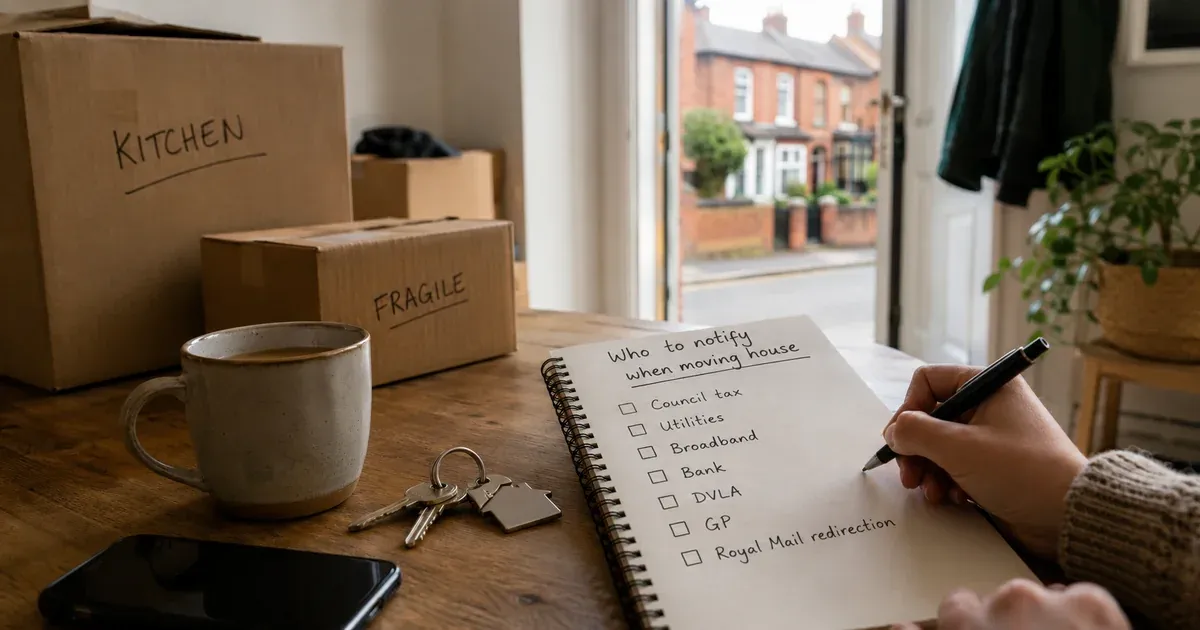
Once you've had a decent night's sleep, the to-do list will feel a lot more manageable. Unpack the kitchen first, then work through the rest of the house room by room. Our guide to things to do when moving house covers the jobs for the weeks ahead, from registering with a GP to updating your address.
A smooth first night starts with a smooth moving day, so if you haven't booked yours yet, you can compare house removals quotes and find a firm that fits your move.