
The real cost of moving house in London in 2026: Stamp Duty, legal fees and removals compared
The national average move costs £13,000. In London, the honest figure is well past £30,000. Here is where every pound goes.
4 mins read
04-08-2026
Written by

Editorial Team
Similar Guides

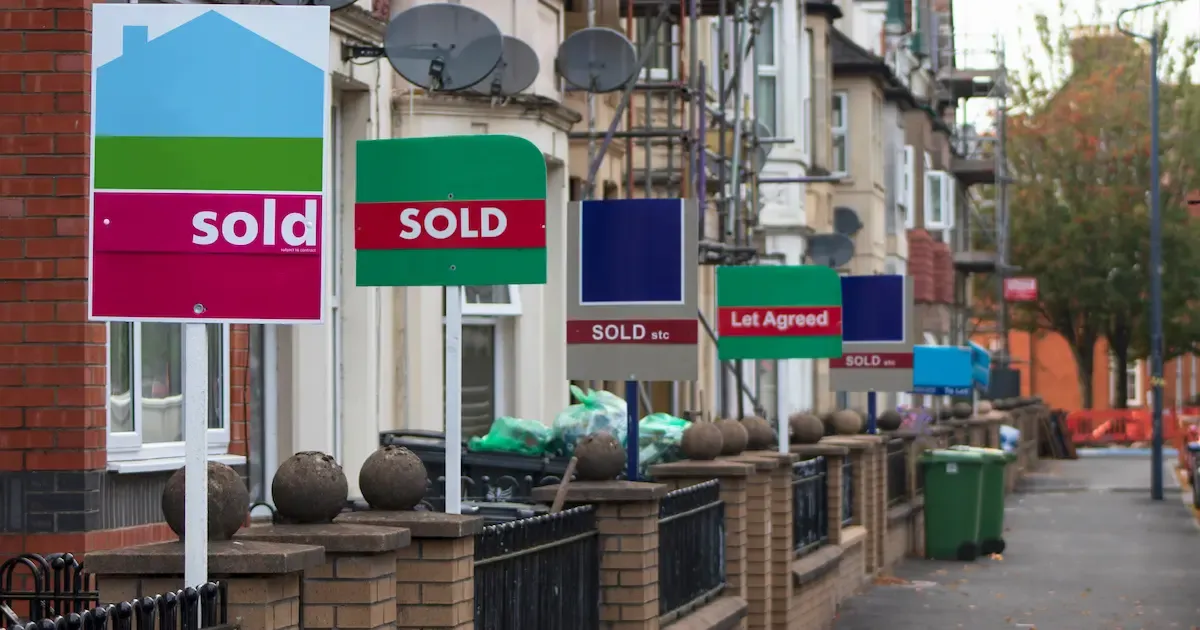

Moving house in London follows the same rules as elsewhere in England, but higher property prices and more complicated logistics can make many of the main costs substantially higher. The average UK mover faces total transaction costs of around £13,000 in 2026; in London, where the average asking price stood at roughly £586,000 in July 2026, the honest all-in figure for someone selling one home and buying another is usually well past £30,000.
This guide adds up the real numbers line by line: stamp duty, legal fees, surveys, estate agency and removals, so you can budget for the move rather than be ambushed by it.
Stamp duty: the biggest single line
For a home mover replacing their main residence, stamp duty is charged in bands: nothing on the first £125,000, 2% from £125,001 to £250,000, and 5% from £250,001 to £925,000, with higher bands above that.
On a London-average purchase of £586,000, that works out as £0 on the first band, £2,500 on the second, and 5% of the £336,000 above £250,000, which is £16,800. Total: £19,300, more than many first-time buyers outside London spend on their entire move. First-time buyers get relief up to £300,000 and pay 5% between £300,001 and £500,000, but above £500,000 the relief disappears entirely, a threshold that excludes many London first-time buyer purchases.
Buying an additional property normally means paying SDLT rates five percentage points above the standard rates. This can also apply if you buy your new home before selling your existing one, although you may be able to reclaim the additional amount if you sell your former main residence within the relevant deadline.
Legal fees and surveys
Conveyancing costs more in the capital than the national average, driven by higher property values and London's high proportion of leasehold flats, which involve more legal work. In 2026, a sensible London budget might be around £850 to £1,900 for purchase conveyancing and £800 to £1,500 for a sale, but check whether each quotation includes VAT, searches, Land Registry charges and other disbursements. Leasehold transactions usually cost more because of the additional legal work. Surveys commonly cost around £400 to £800, although a Level 3 survey on a larger, older or more complex London property can cost £1,000 or more. Our guide to RICS Level 2 versus Level 3 surveys covers that choice.
Estate agency: the percentage that stings
Selling through a high street agent typically costs 1-2% of the sale price plus VAT. On a £586,000 London sale, even 1.5% is £8,790 before VAT, which is why fee negotiation matters far more in London than almost anywhere else: half a percent is nearly £3,000 on an average sale.
Removals in the capital
Removals are the one line where London's premium is about logistics rather than property values: congestion, parking suspensions, and the flights of stairs that come with flats all add labour time. Nationally, a typical three-bed removal runs £600 to £1,500 and full packing services push most house moves to £900 to £1,500 and beyond; in London, realistic quotes often sit at the top of those ranges and above, especially where a parking suspension has to be arranged with the council. Two ways to keep the number down:
- Get several quotes based on a proper video or in-person survey rather than a guess over the phone, and ask how parking permits are handled; our guide to getting accurate removal quotes explains what surveyors look for.
- Avoid Fridays and month-end if you can, since demand pricing is real, and midweek moves are consistently cheaper.
The smaller lines that add up
Beyond the headline costs sit a cluster of smaller ones that London movers meet more often than most. Leasehold sellers may also have to pay the freeholder or managing agent for a management information pack. Charges of several hundred pounds are common, and sellers usually have little choice over the provider. Land Registry registration fees on the purchase scale with the price band. Royal Mail redirection starts from £45 for three months, with the total depending on the number of people included. And if your new street needs a parking suspension for the removal van, the council fee varies by borough and needs booking a week or more ahead, something your removal firm should flag at the survey stage rather than on the morning.
Depending on the property and the move, these smaller costs could add several hundred pounds or more to the final bill. Listing them at the start is cheap insurance. For the full national picture of who to notify and when, our moving house checklist covers the lot.
Adding it up
For a household selling at the London average and buying at a similar price: the main costs could include approximately £19,300 in stamp duty, £2,500 to £3,500 for sale and purchase conveyancing, £400 to £800 for a survey, £10,550 in estate agency fees based on a charge of 1.5% plus VAT, and £1,000 to £2,000 for removals. That puts the total at roughly £34,000 to £36,000, before allowing for the smaller additional expenses outlined above.
The bottom line
Based on the assumptions in this example, a full London move at average asking prices could cost around £34,000 to £36,000 in 2026 before allowing for smaller additional expenses. Stamp duty of approximately £19,300 and estate agency fees of around £10,550 including VAT account for most of the total.
Some costs are fixed by the transaction, but others can be controlled. Compare removal quotes and conveyancing quotes early, ask whether a midweek move could cost less, and negotiate the estate agent's percentage fee before signing the agreement.