
How long does it take to move house? A UK timeline guide
A stage by stage breakdown of what to expect, from accepted offer to unpacking your first box.
4 mins read
07-08-2026
Written by

Editorial Team
Similar Guides
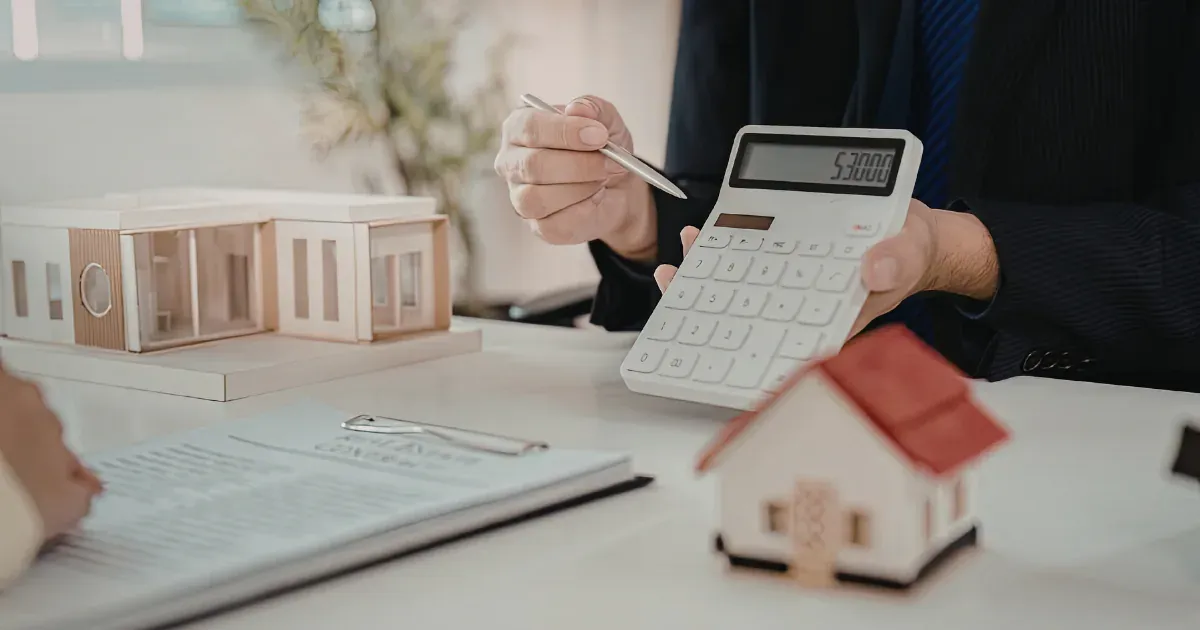


If you're wondering how long moving house actually takes, the honest answer is it depends, but there are typical timeframes you can use to plan around.
The short answer
For most people buying and selling in the UK, the whole process from offer accepted to moving day takes somewhere between 8 and 20 weeks. If you're renting rather than buying, it's usually much quicker, often just a few weeks, depending on notice periods and how quickly a new tenancy can be arranged.
The wide range for buyers and sellers comes down to one main factor. Whether you're part of a property chain, and how long each link in that chain takes to move.
Offer accepted to exchange of contracts - 8 to 14 weeks
This is usually the longest stage, and the one with the least predictable timeline.
During this period:
- Your conveyancer or solicitor carries out searches, checks the title, and raises enquiries with the seller's solicitor.
- Your mortgage lender arranges a valuation and formally approves your mortgage offer.
- A survey may be carried out on the property, and any issues raised may need to be negotiated or resolved.
- If you're part of a chain (someone buying your property is also waiting on their own sale, and so on), delays anywhere in the chain can push this stage out further.
A straightforward purchase with no chain and a responsive solicitor can move through this stage in as little as 6 to 8 weeks. A longer chain, a slow search result, or a mortgage query can easily push it towards 12 to 16 weeks or more.
Exchange of contracts to completion - a few days to a few weeks
Once contracts are exchanged, the sale becomes legally binding and a completion date is fixed. This gap is usually short, often just a week or two, though it can be longer if either party needs extra time to align moving dates.
This is the point where it's safe to:
- Book your removal company (if you haven't already)
- Start more intensive packing
- Arrange final details like mail redirection and utility switch over dates
Completion day and the physical move - 1 day
The actual move itself, vans, boxes, and keys changing hands, usually happens in a single day, even for larger homes.
How long the day itself takes depends on:
- The size of your home and how much you're moving
- Distance between old and new addresses
- Access at both properties (parking, stairs, lift availability)
- Whether you're using a full service removal company or doing it yourself
Most local moves are wrapped up within a working day, though very large households or long distance moves may need two.
Settling in - a few weeks to a few months
While the legal and logistical move might be done in a day, feeling properly settled takes longer. Unpacking, arranging furniture, registering with local services, and generally getting into a rhythm in a new home is a gradual process. Most people report feeling "at home" somewhere between a few weeks and a couple of months after moving in.
What slows a move down
A few common factors tend to add the most time to a move:
- Long or broken property chains, where one delay affects everyone else involved
- Mortgage delays, particularly if additional information is requested
- Slow local authority searches, which can vary significantly by area
- Survey issues that require renegotiation or further investigation
- Unresponsive solicitors on either side of the transaction
Planning around an uncertain timeline
Because the exact timeline is hard to predict, the best approach is to keep your plans flexible where you can and start practical tasks, like getting removal quotes, decluttering, and researching your new area, as early as possible, rather than waiting for a fixed date. That way, whether your move takes eight weeks or twenty, you're ready to go as soon as everything falls into place.