
How to pack fragile items and glassware for moving
How to pack fragile items and glassware for moving
11 mins read
09-09-2026
Written by

Editorial Team
Similar Guides

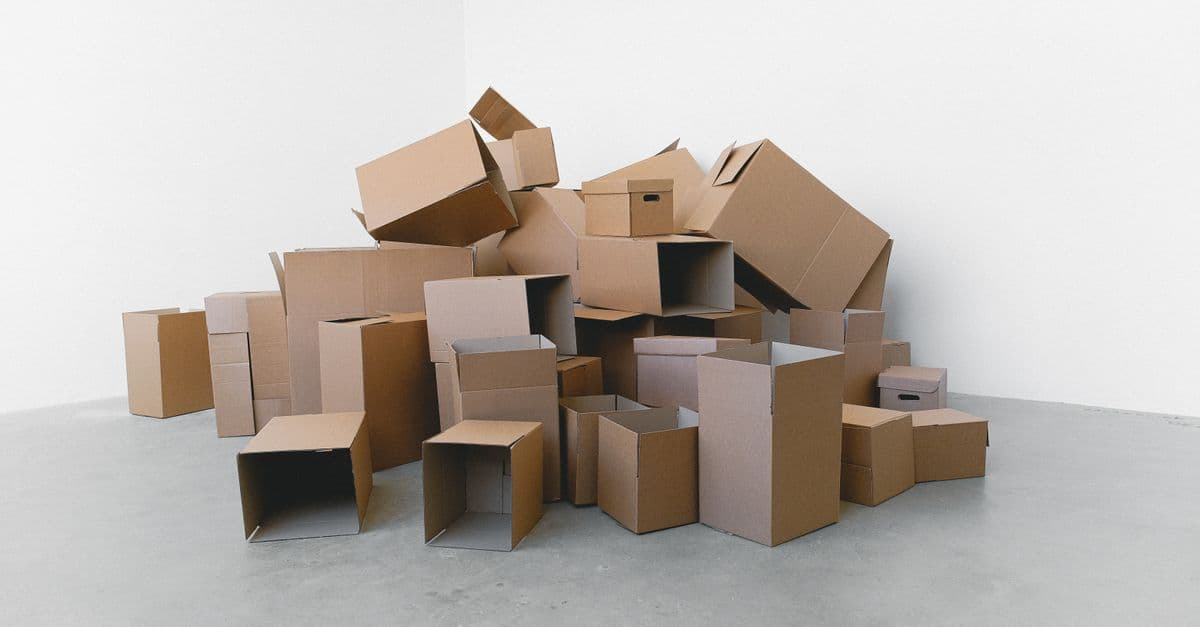
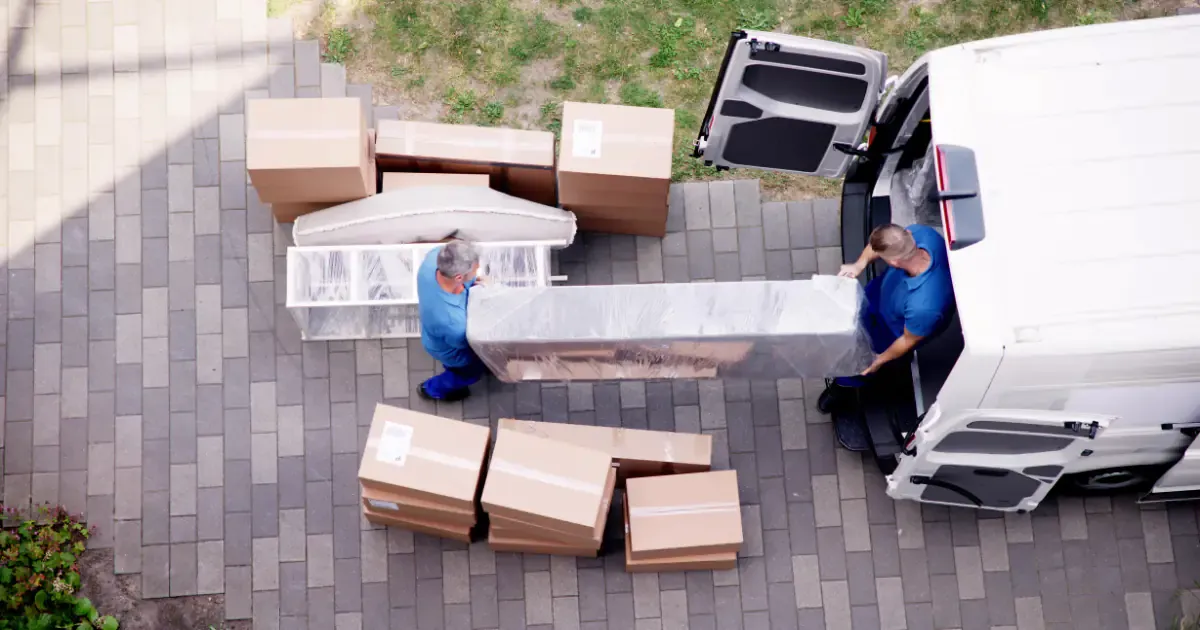
Every removal firm has a story about the box that looked fine on the outside and sounded like a maraca by the time it reached the new house. Fragile items are usually the smallest fraction of what you own, yet they cause the most stress, the most arguments over whose job it was to wrap the good glasses, and the most sinking feeling when you hear that telltale crunch.
Get the packing right, though, and it's genuinely one of the easier parts of moving day to nail. You need the right materials, a sensible technique, and a bit of patience.
Key takeaways
- Double-walled (double-corrugated) boxes give fragile items far more protection than standard single-wall boxes, especially for glassware and crockery.
- Wrap each item individually in packing paper or bubble wrap rather than relying on padding around the outside of the box.
- Plates should be packed on their edge, like records in a crate, never stacked flat.
- Fill every gap so nothing can shift in transit. A box that rattles when you shake it isn't finished yet.
- Label boxes clearly with "fragile" and an arrow showing which way is up, and tell your removal team which boxes need extra care.
What's the safest way to pack fragile items for moving?
The safest way to pack fragile items is to wrap each piece individually in packing paper or bubble wrap, place it in a double-corrugated box lined with padding, and fill every remaining gap so nothing can move around during transit.
That last point trips up more people than you'd think. It's not the bump in the van that breaks most glasses and plates, it's the movement inside the box once it's already been bumped. If your items can shift even a centimetre, repeated small impacts over a two or three hour drive do more damage than one dramatic drop ever would.
Here's a useful test: your box should feel solid and slightly heavy when you pick it up, with no shifting sound when you tilt it side to side. If you can hear or feel movement, open it back up and add more paper.
Pro tip: Pack a small cushion layer of scrunched packing paper at the bottom and top of every fragile box, not just around the sides. Most damage happens when boxes get stacked on top of each other, and that bottom layer takes the brunt of it.
What packing materials do you actually need for glassware and breakables?
You need packing paper, bubble wrap, double-corrugated boxes, strong tape, and something to fill gaps, like scrunched paper or foam sheets. Skip any one of these and it's usually where things start to go wrong.
Here's what each one actually does, because they're not interchangeable.
Material | What it's for |
|---|---|
Packing paper | Ink-free wrapping for individual items and filling dead space. Won't leave print marks on mugs and plates the way newspaper does. |
Bubble wrap | Extra cushioning over packing paper for anything particularly delicate or valuable, such as crystal, hand-blown glass or anything with a stem or handle that could snap. |
Double-corrugated boxes | Two layers of fluted cardboard for far more rigidity and crush resistance than standard single-wall boxes, built to protect glass under the weight of a stack. |
Packing tape | Wide, strong tape (not sticky tape from the kitchen drawer) to seal boxes properly. Reinforce the bottom seam with extra strips so it doesn't give way mid-carry. |
Fillers | Scrunched paper, packing peanuts or foam sheets to close up any remaining gaps once everything's wrapped and positioned. |
If you're wondering whether you really need to buy all of this rather than raiding the recycling bin, towels, bedding and clean clothing can double up as padding around the edges of a box, which is a handy way to cut costs. Just don't rely on soft furnishings as your only protection for anything glass. They compress under weight in a way that proper packing materials don't.
For a fuller breakdown of what to buy and roughly how much you'll need for a typical house, our moving house checklist covers the wider packing timeline alongside this.
How do you pack glasses for moving without them clinking and cracking?
Wrap each glass individually in packing paper, starting from the base and working up, then stand glasses upright in a double-corrugated box with dividers or thick padding between each one, never laid on their side.
The technique varies slightly depending on what kind of glass you're dealing with.
- Tumblers and short glasses wrap easily. Lay a sheet of packing paper flat, place the glass at one corner, and roll it up, tucking the excess paper into the opening at the top.
- Stemware, so wine glasses and champagne flutes, needs extra care around the stem, which is the weakest point. Wrap the bowl of the glass first, then bring extra paper down around the stem and base as a separate step, almost like wrapping two items in one.
- Mugs and cups with handles should be wrapped with the handle padded separately, because handles snap off far more easily than the body of the mug takes damage.
Once wrapped, stand glasses upright in the box rather than on their side. Glass is strongest under vertical load and weakest against sideways impact, which is the opposite of how most people instinctively pack a box when they're trying to fit more in. Use a box with built-in cardboard dividers if you have stemware or particularly delicate glasses, or make your own dividers out of folded cardboard strips.
Pro tip: Pack glasses in boxes no bigger than a small to medium size. It's tempting to use one large box for all your kitchen glassware, but a full box of glass gets heavy fast, and a heavy box is more likely to be dropped, kicked, or handled carelessly because someone underestimated the weight.
How should you pack plates for moving without them cracking?
Plates should be wrapped individually in packing paper and packed vertically on their edge, like records in a crate, rather than stacked flat. This spreads impact across the plate's strongest edge rather than its weakest, flattest surface.
It's counterintuitive, because stacking plates flat is how we store them in the cupboard every day. But flat stacking under the weight of other boxes is exactly how plates crack down the middle. Standing them on their edge means the pressure runs along the rim, which is far more structurally sound than the centre.
To pack plates properly, lay a sheet of packing paper flat and place the plate in the centre. Fold the paper over, tucking in the edges, then wrap a second sheet if the plate is fine bone china or has a decorative glaze. Stack the wrapped plates on their edge inside a double-corrugated box, with a thick layer of scrunched paper at the bottom to create a cushioned base. Pack similar-sized plates together and fill any remaining gaps tightly.
Group dinner plates, side plates and bowls separately, since they pack slightly differently due to their shape. Bowls can nest inside each other with a layer of paper between each one, which saves space without compromising protection.
What size and type of box should you use for fragile items?
Small to medium double-corrugated boxes are best, because they limit how heavy any single box becomes and offer more structural rigidity than standard single-wall cardboard.
A large box packed full of glassware can easily weigh more than most people can safely lift, which increases the odds of it being dropped or handled with less care than a lighter box would get. Removal professionals typically recommend keeping fragile boxes under around 15kg, and a smaller box naturally enforces that limit for you.
Double-corrugated cardboard, sometimes called double-wall, has two layers of fluting sandwiched between the outer sheets rather than one, which significantly increases crush resistance. That matters most at the bottom of a stack in a removal van, where the weight of everything above pushes down for the entire journey.
If you're using a specific box designed for glassware, such as one with built-in cell dividers for wine glasses, that's worth the extra cost for anything particularly precious. For everything else, a sturdy small to medium double-corrugated box, properly taped and not overfilled, does the job perfectly well.
How do you label and load fragile boxes so they get handled properly?
Label fragile boxes clearly on at least two sides with the word "fragile" and an arrow indicating which way is up, and tell your removal team in person which boxes need extra care rather than relying on labels alone.
- Write "fragile" in large, clear letters on the top and at least one side, so it's visible whichever way the box ends up facing in a stack.
- Add an arrow showing "this way up" if the contents genuinely need to stay upright, such as glassware or anything with liquid contents.
- Note the room the box belongs to as well, which speeds up unpacking and stops fragile boxes getting shoved into a garage or loft "for now" and forgotten about for months.
- If you're using a professional removal company, flag your fragile boxes verbally to the team lead as they arrive. Verbal communication backs up the label and tends to get better results than paper alone.
Fragile boxes should also go into the van last and come off first, ideally positioned somewhere they won't have heavier furniture stacked directly on top. If you're comparing removal companies and want reassurance around how they handle breakables specifically, it's a fair question to ask during a quote call, and one that a good firm will answer confidently.
What should be on your fragile items packing checklist?
Your fragile items checklist should cover materials, room-by-room sorting, individual wrapping, box selection, labelling, and a plan for anything too awkward or valuable to pack yourself. Missing any one step is usually where breakages happen.
A simple, workable checklist looks like this.
- Buy double-corrugated boxes in small and medium sizes, plus packing paper, bubble wrap and strong tape.
- Sort fragile items room by room rather than trying to tackle the whole house at once.
- Wrap every item individually, even things that feel sturdy, such as heavier stoneware mugs.
- Pack glasses upright, plates on their edge, and never mix fragile items with heavier, non-fragile items in the same box.
- Fill every gap so nothing shifts, and shake-test each box before sealing it.
- Label clearly with "fragile," an up arrow, and the destination room.
- Set aside anything particularly valuable, oddly shaped or oversized, such as mirrors, glass tabletops or large vases, for separate handling or professional packing.
- Keep a small "first night" box of essentials separate from fragile packing, so you're not digging through wrapped glassware for a mug on your first evening in the new place.
This slots neatly into a wider moving house checklist, so if you haven't mapped out your broader moving timeline yet, that's a good next step alongside sorting your fragile items.
How do you pack other breakables like mirrors, lamps and ornaments?
Mirrors, picture frames and glass tabletops need mirror boxes or flat cardboard sandwiched on both sides with corner protectors, while lamps and ornaments need individual wrapping and a snug-fitting box rather than a loose one.
These items get overlooked because they're not glassware or crockery, but they cause just as many breakages. A few specifics worth knowing.
- Mirrors and framed art should be wrapped in bubble wrap with cardboard corner protectors, then placed in a specialist mirror box or between two flat pieces of cardboard taped together. Never lay them flat under other items.
- Glass tabletops are genuinely one of the trickiest things to move safely. They should travel upright, never flat, and ideally with professional handling if the piece is large or heavy.
- Lamps need the shade removed and packed separately, wrapped loosely so it doesn't crush, while the base gets wrapped and packed upright in its own snug box.
- Ornaments and vases should be wrapped individually, with any narrow necks or protruding parts padded separately, and packed in a box sized close to the item rather than one with lots of empty space around it.
If you've got a lot of oversized or awkward fragile items, this is exactly the kind of scenario where a chat with a removal company about their experience with specialist items pays off before you commit to a quote.
Is it worth paying a removal company to pack fragile items for you?
It can be, if your items are particularly valuable, awkward, or you simply don't have the time. Professional packing typically costs more upfront but reduces the risk of damage and often comes with better insurance cover for anything that does go wrong.
This is where the maths genuinely varies from move to move. Packing fragile items yourself costs you time rather than money, and for most standard household glassware and crockery, a careful DIY approach with the right materials works perfectly well.
Where professional packing earns its cost is with genuinely valuable, sentimental or oddly shaped items, and for anyone who's short on time before moving day. Members of the British Association of Removers operate under a professional code of practice, which typically includes clearer terms around liability and insurance for items they've packed themselves, compared with items you packed yourself that then get damaged in transit. That distinction matters more than most people realise until they're trying to make a claim.
Costs for professional packing vary depending on how much you need packed and where you're based, so it's worth comparing a few quotes rather than accepting the first one.
What happens if fragile items get damaged during a move?
If a removal company packed the item and it's damaged in transit, you may be entitled to compensation under their insurance or the British Association of Removers code of practice. If you packed the box yourself, most removal firms' insurance won't cover breakages inside it.
Standard removal insurance policies commonly exclude damage to items that the customer packed themselves, precisely because the removal company had no control over how well it was wrapped or boxed. That's a fairly standard industry position, and it's exactly why professional packing sometimes comes with better protection for anything genuinely irreplaceable.
If something does go wrong:
- Photograph the damage before you move or dispose of anything, ideally still in the packaging it arrived in.
- Check whether the removal company is a member of the British Association of Removers, as members operate under a formal code of practice and dispute resolution scheme that gives you more recourse than an unregulated firm.
- Contact the removal company directly first, in writing, setting out what happened and when.
- If you can't resolve it directly, Citizens Advice offers free guidance on consumer rights around damaged goods and services, including how to escalate a dispute if needed.
It's also worth checking your home insurance policy before you move, since some contents insurance extends limited cover to items in transit, which can sit alongside whatever the removal company offers.
Final thoughts
Packing fragile items well isn't complicated, it just takes a bit more patience than shoving everything into whatever box is nearest. Wrap individually, pack tightly, choose the right box, and label clearly, and most breakages become entirely avoidable.
Ready to see your options? Compare removal quotes with Moving Compared and find a company that packs, protects and moves your fragile items properly.