
Porting, early repayment charges and redemption when selling a house with a mortgage
How redemption works, what ERCs cost and when porting your deal is the cheaper route.
4 mins read
17-08-2026
Written by

Editorial Team
Similar Guides
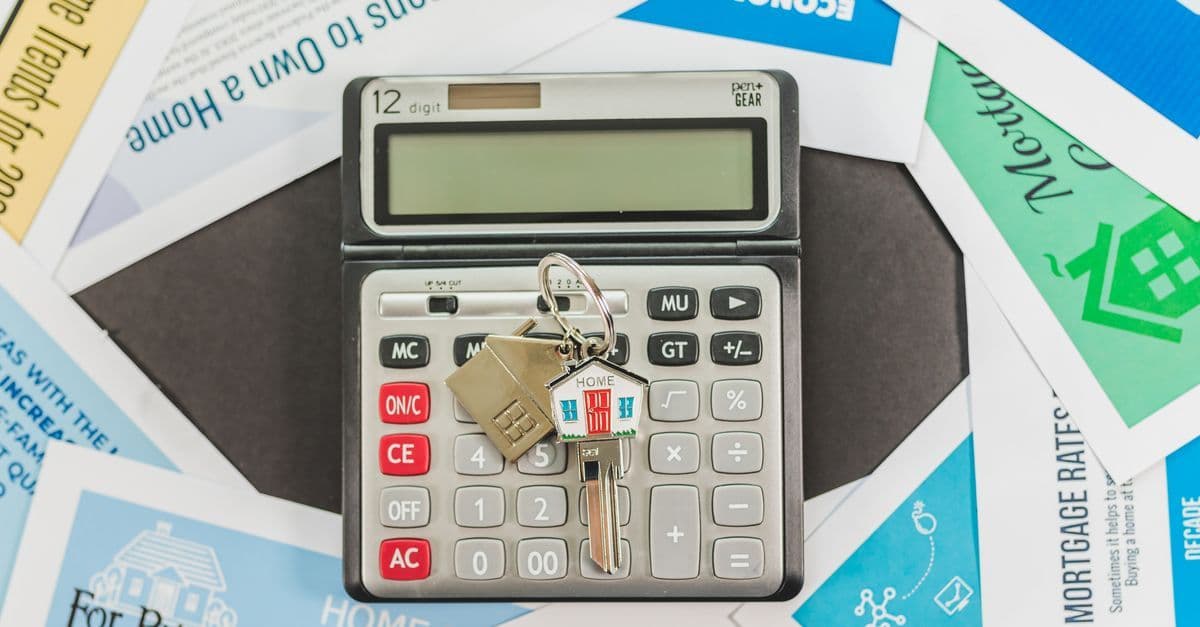


You are free to sell your home at any time since the loan will be repaid out of the proceeds from the sale on the day the sale is completed. The amount, if any, that the sale will cost you extra depends almost entirely on your present position within the mortgage agreement.
Start with the redemption statement
A redemption statement is the way your lender works out the amount that will pay off your mortgage on a particular date, taking into account the interest up to that day, any early repayment charge and an administration fee to close the account, a fee sometimes referred to as an exit or discharge fee, as described in MoneyHelper's guide to mortgage fees and costs, and your conveyancer asks for the final version on the completion day.
You should request an indicative statement before you list your home, since it will show you your actual equity. In the case where the redemption figure exceeds your realistic sale price, you will be in negative equity and will then need both the lender's agreement and cash for the difference before you can carry out the sale.
Early repayment charges
An early repayment charge, or ERC, is the fee for repaying a mortgage during its deal period, usually a percentage of the outstanding balance. On a £180,000 balance, a 3% ERC is £5,400.
Many ERCs step down each year of the deal, for example 5%, 4%, 3%, 2%, then 1%. On that same balance, completing a few weeks later on the far side of the step from 3% to 2% saves £1,800, which is worth more than most price negotiations. If your deal has already ended and you are on the lender's standard variable rate, there is usually no ERC at all, so a short spell on the variable rate can be cheaper than paying to leave a fix early.
Porting takes the deal with you
Porting means moving your existing mortgage deal to the home you are buying, and it is the deal that ports, not the loan. You reapply in full: affordability checks, a credit check and a valuation of the new property, and lenders can refuse if your circumstances have changed. Borrowing more for a bigger home means the top-up sits on a separate rate from your ported deal.
Most lenders allow around 30 days between completing your sale and your purchase. If it takes longer, the deal usually lapses, though some lenders refund the ERC if you take a new deal with them. Porting to a cheaper home has its own catch, since repaying part of the balance usually triggers an ERC on the portion you don't port.
Leave enough time for the process to finish. A port that has been approved by a lender usually takes between one and three months to carry out, which is acceptable within a standard sale-and-purchase timeline but becomes tight if the exchange has already taken place. In the event that your mortgage turns out to be completely non-portable, your option is then between paying the exit costs or waiting until the deal is concluded, and it's a good idea to ask the lender to put the exact ERC schedule and fees in writing before making your decision.
Sequence the decision, then the sale
When dealing with a sale that is subject to mortgage, the order of steps should be to start with the indicative redemption statement, followed by the agent's valuations, and then to choose between porting, paying the ERC, or waiting for the deal to end. The decision you take in this regard determines what constitutes a good completion date, and it is much easier to influence the completion date early on in the transaction than it is later on. Regardless of which option you select, your solicitor will carry out the redemption and you will be able to compare the conveyancing quotes for your sale in a few minutes.