What actually adds value to your home before you sell
Presentation beats construction before a sale. Here are the verified numbers, and a simple test for spotting a money pit.
5 mins read
17-09-2026
Written by

Editorial Team
Similar Guides

Before you sell, the money is usually in cheap, visible work, not construction. Presentation and small fixes tend to pay back several times their cost, while five-figure building projects often return less than they cost at current prices. The trick is knowing which is which before you spend anything.
Quick wins with numbers behind them
A full repaint is the classic cheap win. It costs a few hundred pounds a room, and estate agents consistently rate it as the single highest-return job on any pre-sale list, even though nobody puts an exact UK-wide figure on the uplift.
A downstairs toilet is a step up in cost but still modest. Checkatrade prices a basic cloakroom conversion at somewhere between £1,550 and £2,250 once groundwork and materials are included, and reckons it can add up to 5% to your home's value, provided you already have a full bathroom elsewhere. Fit one where there was none and the flat you're selling stops feeling like a one-bathroom house.
A driveway works on the same logic. Checkatrade puts a single-car block-paved driveway at around £2,400 and a double at closer to £5,500, and calls it a reliable way to lift kerb appeal and resale value, as long as it's properly laid. Direct Line's own research makes the ceiling clear with one London example: a parking space there sold for £65,000, about 13% of the £500,000 house it came with. Most driveways won't move the needle that hard, but it shows what off-street parking is worth where space is scarce.
Garden rooms and extra bathrooms both punch above their cost too. The Federation of Master Builders costed a garden room at around £6,500 and found it added £35,500 to an average Surrey property. Checkatrade puts a new ensuite or second bathroom at adding 4 to 5% to a home's value, with installation starting from around £1,450. Decking is smaller but still worthwhile, costing roughly £2,400 to £3,600 for a medium garden and adding an estimated 3 to 4% on top, according to Checkatrade.
Bigger but still contained
Knocking through to an open-plan kitchen-diner is the standout example in the Federation of Master Builders' own research: a job costing under £3,500 added more than £48,000 to an average London property in seven days. A lighter kitchen refresh, meaning new worktops, cabinet doors and flooring rather than a full refit, cost the same builders' group's respondents just over £4,000 on average and added close to £27,000 in their Dorset example.
Those are real regional examples, not national guarantees, and the gap between a London number and a Dorset one shows why you should get a local agent's view of the ceiling price for your street before assuming either figure applies to you.
The money pit test
Loft conversions sit right on the edge between quick win and money pit, and the answer depends entirely on when you price it. Checkatrade's 2026 figures put a basic Velux conversion at around £27,500, a dormer at about £50,000, and a mansard at £65,000 to £80,000, working out at roughly £920 to £2,170 per square metre depending on the type.
Loft conversion type | Typical cost | Cost per m² |
|---|---|---|
Velux (rooflight) | ~£27,500 | ~£920 |
Dormer | ~£50,000 | ~£1,670 |
Hip-to-gable | ~£60,000 | ~£2,000 |
Mansard | £65,000-£80,000 | ~£2,170 |
Zoopla, meanwhile, estimates a loft conversion can add up to 15% to a property's value. Run those two numbers against each other on an average £350,000 home and the uplift comes to roughly £52,500, which is close to breakeven against a proper dormer once you account for disruption and the loan interest most people pay to fund the build.
That's the money pit test in practice: any project justified by a headline value-added figure needs three current quotes and a current agent appraisal of the uplift before you commit. If the quotes come back near the appraised gain, don't build before selling, because buyers pay the market value of the result, not your build cost.
Paper improvements
Two improvements involve no builders at all. Getting planning permission without doing the work lets you sell the potential rather than the project. A householder planning application in England currently costs £548 according to gov.uk's fee schedule, and while there's no reliable UK-wide figure for how much a granted consent adds to a sale price, agents routinely report buyers paying more for a plot with permission already secured than for one where they'd have to apply themselves.
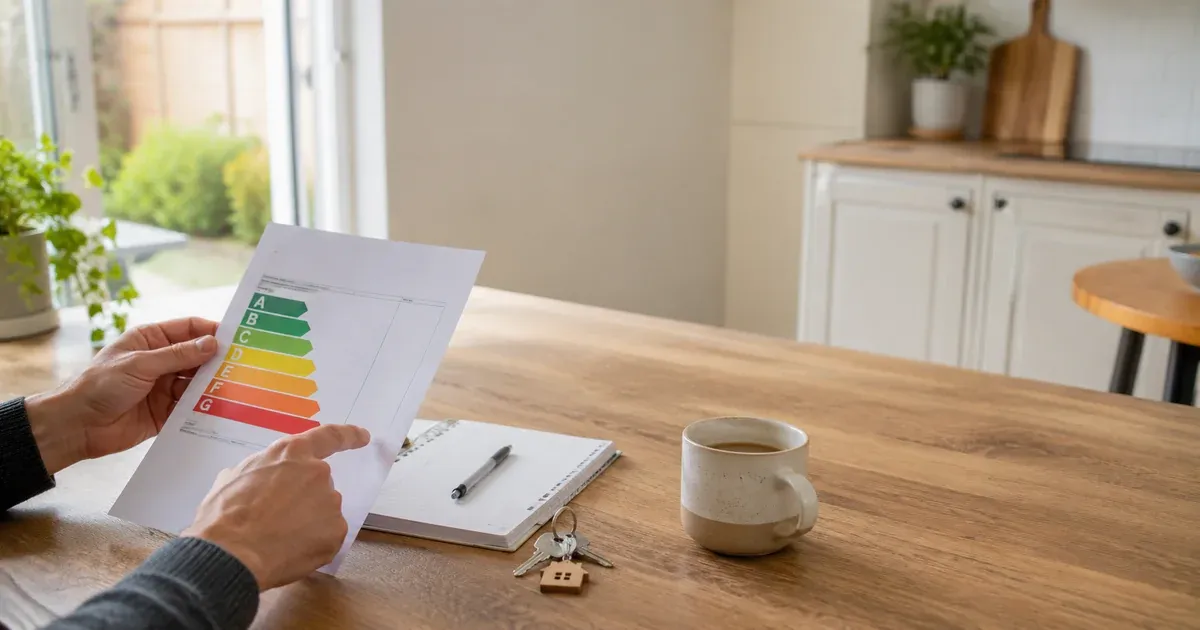
The second is the energy certificate. You need a valid EPC to sell anyway, and you can check whether your current one still has time to run on the government's find-an-energy-certificate service, since a certificate stays valid for 10 years. A new one typically costs £65 to £120 according to Checkatrade, and some low-cost improvements can move you up a band before the assessor even visits. We cover which ones in our separate guide to improving your EPC score before selling.
Sequence matters more than ambition. Do the four-figure jobs, get a local agent's view of the ceiling price for your street, and only then consider anything structural. A downstairs loo at up to 5% of value, a kitchen refresh that added close to £27,000 in the Federation of Master Builders' own example, and a garden room that added £35,500 on a Surrey home all cost a few thousand pounds each. That combination is the bar any loft conversion or extension has to clear before it's worth the disruption. It's also worth checking your garden isn't quietly working against you, since some features put buyers off rather than winning them over.
When you're ready to sell, you can compare quotes from specialist sale conveyancers through Moving Compared.