7 garden features that could devalue your home and how to fix them
A beautiful garden is usually a major selling point, but certain natural features can quietly strip value from your home. From hidden root systems to drainage problems, we explore what can trigger a surveyor's warning.
6 mins read
06-08-2026
Written by

Editorial Team
Similar Guides


Key takeaways
- Large trees planted too close to a house can cause structural instability and subsidence.
- Invasive species like Japanese knotweed can make a property difficult to mortgage or sell.
- Poor drainage and water pooling often indicate underlying issues with soil or foundations.
- Professional surveys are the best way to identify garden risks before they become costly.
A garden is often the heart of a home, providing a space for relaxation and play. However, beneath the surface of a well-kept lawn or behind a row of tall trees, there could be issues that a property surveyor will quickly identify as a risk. These features do more than look untidy; they can actively damage the structure of your house and lead to a lower valuation when it comes time to sell.
Understanding these risks early allows you to act, whether that involves professional maintenance or seeking expert surveyors' advice during a purchase.
Which garden features most commonly devalue a property?
Garden features like large trees close to walls, invasive species such as Japanese knotweed, and poor drainage systems can significantly reduce a property's market price by posing structural risks and increasing future maintenance costs.
While a swimming pool or a large pond might seem like a luxury, they often narrow the pool of potential buyers due to high maintenance requirements and safety concerns. However, the most serious devaluations come from features that threaten the integrity of the building itself. Trees with aggressive root systems and invasive plants are the primary culprits. According to RICS, these can cause significant movement in the ground, leading to cracks in walls and foundations.
If you are planning to sell, it is worth looking at your garden through the eyes of a buyer. A garden that looks like a lot of hard work or one that hides potential structural threats will often lead to lower offers. Buyers are increasingly savvy about the costs of fixing garden issues, and they will often expect a reduction in the sale price to cover future remedial work. Compare surveyors' quotes and use a professional surveyor to help identify problems before you list your property.
Pro tip: Check out our guide on 10 common house survey problems for a better understanding of the most common issues on UK properties.
How do trees near house foundations impact property value?
Trees planted too close to a building can cause structural issues through root encroachment or soil desiccation. Surveyors often flag these as risks to foundations, potentially leading to costly repairs or insurance difficulties.
The proximity of a tree to your home is a major factor in property valuation. Different species have different safe distances. For example, a large oak or willow tree requires much more space than a small fruit tree. When a tree is too close, its roots can grow underneath the foundations. This is particularly problematic in areas with clay soil, which is common across many parts of the UK.
As the tree grows, it draws huge amounts of water from the soil. This causes the clay to shrink, which can lead to the foundations shifting. This process is known as soil desiccation. If a surveyor identifies a high-risk tree, it can make it harder for a buyer to secure a mortgage or find affordable buildings insurance. This directly impacts how much someone is willing to pay for the house.
Pro tip: Before planting new trees, check the Royal Horticultural Society guidance on safe distances for different species to ensure you are not creating a future structural headache.
Can tree roots and subsidence lead to structural damage?
Tree roots can cause subsidence by absorbing moisture from clay soils, leading to ground shrinkage and foundation movement. This structural instability often results in visible cracks and can severely impact a home's resale value.
Subsidence is one of the most feared words in the UK property market. It occurs when the ground beneath a property sinks, taking a portion of the foundations with it. While there are several causes, tree roots are a leading factor. When a tree's water demand exceeds the moisture available in the soil, the ground contracts. This movement causes the house to settle unevenly, resulting in diagonal cracks in the masonry, sticking doors, and windows that no longer close properly.
Fixing subsidence is a major undertaking that often involves underpinning the house or removing the offending vegetation. Even after the work is completed, the history of subsidence must be disclosed during the conveyancing process. This can make some buyers hesitant, as it may affect their future insurance premiums. If you are worried about the legal implications of selling a property with a history of movement, get conveyancing quotes and connect with solicitors who understand these complex issues.
Why are drainage issues a major concern for surveyors?
Poor drainage leads to water pooling, dampness, and potential foundation erosion. Surveyors prioritise these issues because they indicate long-term structural threats that are often expensive to rectify and can deter many prospective buyers.
A garden that stays waterlogged long after the rain has stopped is a red flag. This often suggests that the soil is heavily compacted or that the natural water table is high. Over time, standing water near the house can seep into the foundations or cause rising damp in the walls. It can also lead to the erosion of the soil that supports the building.
Surveyors will look for signs of water damage, such as moss growth on walls or damp patches in the cellar. They will also check if the garden has been paved over without adequate drainage, such as a driveway that slopes towards the house. This is a common issue in urban areas where homeowners have replaced lawns with hardstanding. GOV.UK provides specific regulations regarding permeable surfaces for front gardens to prevent local flooding and drainage problems.
What invasive plants should homeowners watch out for?
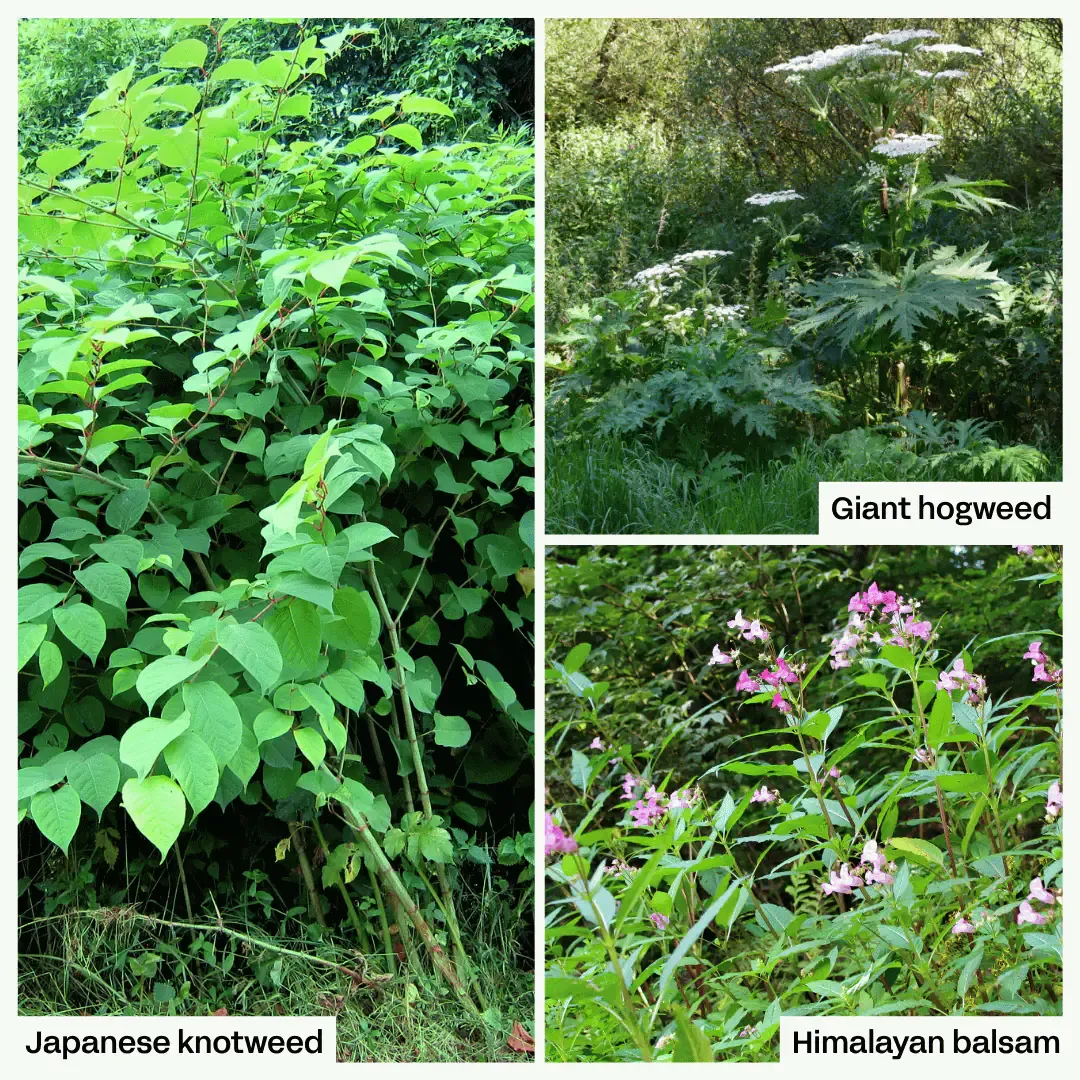
Invasive plants like Japanese knotweed or giant hogweed are major red flags. They can damage hardstanding, block drains, and make a property unmortgageable without a professional management plan and an insurance-backed guarantee in place.
Japanese knotweed is perhaps the most notorious garden feature that can devalue a home. It is incredibly resilient and can grow through cracks in concrete, tarmac, and even brickwork. Because it is so difficult to eradicate, many lenders will refuse to provide a mortgage on a property where it is present unless a professional treatment plan is already in place. Our Japanese knotweed: how it affects your house survey and mortgage offers guidance on how to deal with this evasive plant, including costs to treat it.
The Law Society requires sellers to disclose the presence of Japanese knotweed on the TA6 property information form. Failing to do so can lead to legal action for misrepresentation after the sale. Other plants, such as giant hogweed or Himalayan balsam, also pose risks and can be expensive to remove. If you are buying a property, ensure your surveyor specifically checks for these species, especially if the garden is overgrown.
Pro tip: If you discover Japanese knotweed, do not try to dig it up yourself. It is classified as controlled waste, and improper disposal can lead to heavy fines.
How does a property survey assess garden risks?
A property survey evaluates the garden by looking for structural threats from vegetation, signs of poor drainage, and the presence of invasive species. The surveyor provides a professional opinion on how these factors might affect the building's long-term health.
During a survey, the expert will not just look at the house; they will walk the boundaries of the garden. They look for the height and species of trees, the condition of boundary walls, and any signs of ground movement. They also check for the presence of outbuildings that might be in poor condition or contain hazardous materials like asbestos. Our what does a house survey actually check guide offers more detailed information on this subject.
The resulting report will categorise these risks. A Level 2 or Level 3 RICS survey is particularly useful for properties with large gardens or older trees. You can find more detail on which to choose in our guide to RICS level 2 vs level 3. This report is vital for your conveyancing solicitor, who will use it to raise enquiries with the seller. If the survey highlights significant garden issues, you may be able to renegotiate the purchase price to account for the cost of repairs or removals.
As a sum of garden features and property value
Managing your garden is about more than just aesthetics; it is a key part of maintaining your property's value. By addressing large trees, ensuring proper drainage, and tackling invasive plants, you protect the structural integrity of your home. If you are buying or selling, professional insights are your best tool for navigating these challenges.
Ready to take the next step in your moving journey? Get a surveyor quote today to protect your investment.