
Downsizing your home without losing what matters
The house has got too big, but the memories haven't. Here's how to decide what comes with you, what doesn't, and what the move will really cost.
8 mins read
30-09-2026
Written by

Editorial Team
Similar Guides

Why leaving the family home is so hard
Nobody gets emotional about a boiler. What gets you is the pencil marks on the kitchen door frame, the garden you planted when the children were small, the spare room that still has a teenager's posters under three coats of paint.
That's why downsizing your home tends to feel much bigger than the move itself. You're not just selling bricks. You're closing a chapter that might have lasted thirty or forty years, and it's completely normal to feel something close to grief about it, even when you know it's the right call.
A few things help. Give yourself more time than you think you'll need, because rushed decisions about belongings are the ones people regret. Talk about the house with the people who grew up in it, since they'll often have feelings of their own that are better aired early. And try to remember that the memories aren't stored in the walls. They come with you.
Is downsizing for retirement the right move for you?
There's no age at which you're supposed to do this. Some people move at 55, the moment the last child leaves. Others stay put until the stairs make the decision for them. It's worth weighing it up while you still have the choice.
Reasons people are glad they did it
Less house means less cleaning, lower bills and fewer weekends lost to clearing gutters. The equity you release can top up a pension or help the children onto the property ladder. And moving closer to family or a GP surgery often makes everyday life easier in ways people hadn't expected.
Reasons to pause
MoneyHelper, the government-backed guidance service, makes a fair point in its guide to downsizing for retirement. This is usually a decision you can't undo. Once the family home is sold, buying back into that size of property later is rarely realistic.
So before you commit, be clear about what you'll actually walk away with once fees and moving costs come off. Think about whether the grandchildren will still be able to stay over. And be wary of moving somewhere purely for the view if it's a long way from friends, shops and transport.
Start with the new home, not the old one
This is one of the most useful downsizing tips there is, and it's often done backwards. People start clearing the loft before they know where they're going, then end up either keeping too much or getting rid of things they'd have had room for.
If you can, get the floor plan of your new place early (the estate agent's particulars usually include one) and measure the rooms. Then measure your big furniture. The sofa that fits along one wall of a Victorian lounge might block a door in a modern flat, and it's much easier to find that out on paper than on moving day.
Work out how many beds and wardrobes you'll really need, and where the dining table goes if there's no dining room. That last one catches a lot of people out.
How to sort a lifetime of belongings
Moving to a smaller house almost always means parting with more than you'd guess.
Begin in the rooms you use least
Don't start with the photo albums. Start with the garage, the shed, the loft or the spare room, where most of the contents are things nobody has touched in years. It's easier to be ruthless with old paint tins and a broken exercise bike, and early progress builds momentum for the harder rooms later.
Keep sessions short. A few hours a week over several months is far kinder than trying to clear a four-bedroom house in a fortnight.
The four-pile method
For every item, decide whether it's coming with you, going to family, being sold or donated, or being thrown away. Mark out a box or a corner of the room for each pile so nothing drifts back into "maybe".
A good test for the keep pile is whether you'd buy it again today, and whether you've used it in the last year. Duplicates are an easy win. Most kitchens have several measuring jugs and far more mugs than any household needs.
Charities such as the British Heart Foundation will collect good-quality furniture for free, and a local auction house can handle antiques or collections if you'd rather not deal with individual buyers.
Photographs, letters and the things you can't replace
This is where most people stall, and that's fine. Leave sentimental items until last, when you've got a clearer sense of how much space is left.
You don't have to keep everything to keep the memory. Scanned photos and letters take up no space at all, and you can share the digital copies with the whole family. For bigger keepsakes, like a first school uniform or a full set of wedding china, think about keeping one piece rather than the whole collection. Taking a photo of something before it goes can make letting go a little easier.
Getting the family involved (without handing over the decisions)
Adult children often want a say, and sometimes they want things. Ask them early which items matter to them and set a date for collection. Otherwise you risk storing a wardrobe for three years that someone swore they'd pick up.
Just remember whose move this is. Family can help with the heavy lifting and the tip runs, but the final call on what stays should be yours.
Making a smaller space work
A smaller home can feel generous if you plan it well. Furniture with storage built in, such as ottoman beds, lidded footstools or extending tables, earns its place. Wall shelving and tall units use height that would otherwise be wasted.
It's also worth thinking ahead. If you're downsizing for retirement, a home with level access, a downstairs toilet or room for a walk-in shower could save you another move later on.
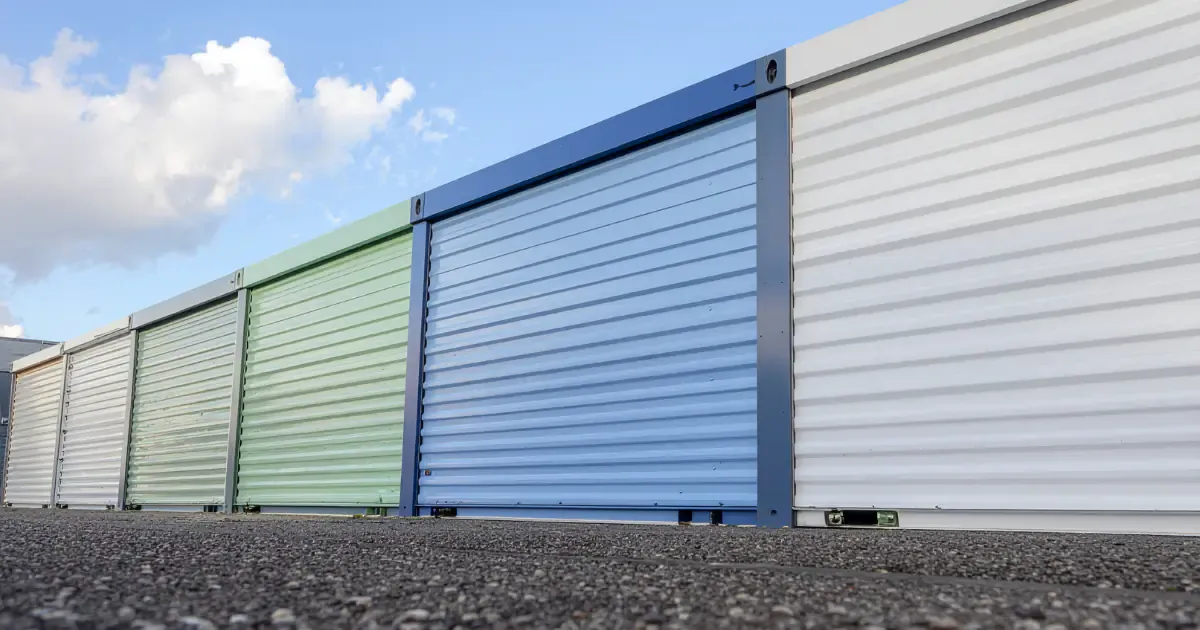
If you're not ready to part with some things yet, short-term storage can take the pressure off, and our guide to storage solutions for home movers covers the options. Just set a date to review it, because monthly fees add up quickly.
What downsizing actually costs
The price gap between your current home and the next one isn't the same as the cash you'll free up. A downsizing home move still carries most of the costs of any other move, on both the selling and the buying side.
Cost | What it covers | Typical cost |
|---|---|---|
Estate agent fees | Marketing and selling your current home | 0.75% to 3.5% of the sale price (average 1.42% including VAT) |
Conveyancing | Legal work on both the sale and the purchase | Around £2,000 including VAT, plus £250 to £300 for searches when buying |
Stamp duty | Tax on the new home (England and Northern Ireland) | £5,000 on a £300,000 home, £10,000 on a £400,000 home |
EPC | Energy certificate needed to market your home, if yours has expired | £60 to £120 |
Removals | Van and crew, with packing as an optional extra | From about £400 to over £1,000 |
Storage | Space for anything not ready to go | Charged weekly or monthly by unit size, so get quotes |
Service charges and ground rent | Ongoing costs on leasehold and retirement flats | Varies widely, so ask to see recent accounts |
Typical costs from Moneyhelper, 2026.Our breakdown of moving costs in the UK goes through each of these in more detail, and it's worth getting real quotes early rather than guessing.
If you're looking at a retirement flat or an over-55s development, read the lease carefully. These homes are usually leasehold, which means service charges and sometimes ground rent, and some also charge an exit or event fee when you sell. Our guide to freehold vs leasehold explains what to look for, and your solicitor should flag fees like these before you commit.
Tax and money points worth knowing
Stamp duty on the new place
There's no special stamp duty relief for downsizers in England or Northern Ireland, so you'll pay the standard rates on your next purchase. At the moment that's nothing on the first £125,000, 2% on the portion from £125,001 to £250,000 and 5% from £250,001 to £925,000. Buying a £300,000 bungalow, for example, would mean a £5,000 bill. Scotland and Wales run their own versions with different bands, and our stamp duty guide has the full breakdown.
Purchase price | Stamp duty (main home, England and NI) |
|---|---|
£200,000 | £1,500 |
£250,000 | £2,500 |
£300,000 | £5,000 |
£400,000 | £10,000 |
Inheritance tax and the downsizing addition
Selling the home you've lived in is usually free of capital gains tax, so for most downsizers the bigger tax question is inheritance. The residence nil-rate band lets you pass on up to an extra £175,000 tax-free when your home goes to your children or grandchildren, on top of the standard £325,000 allowance. Both are frozen until April 2031, and the extra allowance tapers away for estates worth more than £2 million.
The worry used to be that selling the family home would mean losing that extra allowance. It doesn't have to. Under what's called the downsizing addition, if you sold or moved to a less valuable home on or after 8 July 2015, and your direct descendants inherit at least some of your estate, your executors can still claim some or all of the allowance you'd otherwise have had. You don't need to tell HMRC when you move, but do keep the sale paperwork somewhere safe. The full conditions are set out in the gov.uk guidance on how downsizing affects the additional inheritance tax threshold.
If you're thinking about passing some of the released money or property on to family now rather than later, our guide on gifting property to children covers the tax side of that.
Benefits and your will
If you get any means-tested benefits, such as Pension Credit, a lump sum from the sale could reduce them or stop them altogether. Check before you move, not after. And update your will once you're settled, particularly if it refers to your current address.
Moving day when you're downsizing
Book your removal firm early and ask for a home survey so the quote reflects what's really going. If bending over boxes for days doesn't appeal, our guide to packing services explains what you can hand over. On the day, label boxes by the room they're going to in the new home, and keep medication, glasses and paperwork in a separate bag.
Life after the move
Give yourself time to settle. The first few weeks in a smaller home can feel strange, and missing the old house doesn't mean you made the wrong choice. Get your favourite pictures up early, unpack the kitchen first and say hello to the neighbours. If retirement moving is on your list for the next year or two, the single best thing you can do now is start sorting, and when you're ready to book the van, you can compare house removals quotes from local firms in a couple of minutes.